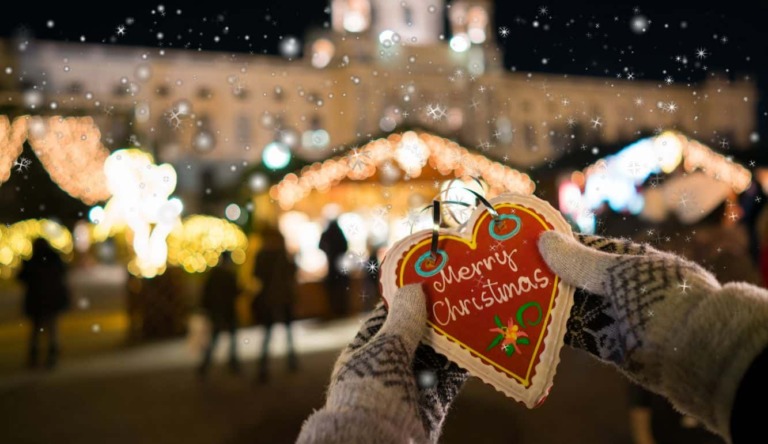
Christmas, the celebration of the birth of Jesus Christ, remains one of the most cherished holidays around the world. With traditions that span centuries and cultures, it’s a time rich in history, meaning, and shared rituals that continue to bring people together year after year.
As I reflect on this season, I feel deeply grateful for my community, my readers, and, most of all, my little family. Thank you to everyone who takes the time to visit this space and support us along the way. Your presence truly means more than words can say.
Cooking Christmas dinner is still one of my favorite traditions. There’s something incredibly special about filling the kitchen with warmth, familiar aromas, and love, those simple moments that turn into lasting memories.
Above all, I’m thankful for health, happiness, and the chance to celebrate together. May this season remind us to slow down, reconnect, and cherish the people we love. Wishing you a Christmas filled with peace, joy, and togetherness.
Today, I want to share a piece of Venezuela's Christmas traditions with you, and there's no Christmas celebration here without hallacas. Hallaca is our beloved traditional dish, rich in history and meaning.
Hallacas are a traditional Venezuelan dish that play a central role in the country's Christmas celebrations. They are a type of tamale, typically made with a rich filling of meats, vegetables, and olives, all wrapped in a cornmeal dough and then steamed in plantain leaves. Hallacas are a beloved part of the Venezuelan holiday season, and their history reflects a blend of indigenous, African, and European influences.
The story of hallacas is tied to Venezuela's diverse cultural heritage, resulting from the blending of various groups during the colonial era. The dish's roots can be traced back to a combination of pre-Columbian, African, and Spanish culinary traditions:
Over the centuries, hallacas evolved into a distinctive Venezuelan dish, influenced by both local traditions and the availability of ingredients. Initially, hallacas were prepared by rural families in small, isolated communities, often as a way to preserve meat during the dry season. However, the tradition grew over time and became a key dish for major celebrations, especially Christmas.
The creation of hallacas is an event in itself. In many Venezuelan families, making hallacas is a social activity that brings people together. It often involves multiple generations of family members, with everyone playing a role in the process, from preparing the fillings to assembling the hallacas and wrapping them in plantain leaves. This communal aspect of preparing hallacas has made it a cherished family tradition.
The preparation of hallacas involves several steps and a wide range of ingredients:
The process of making hallacas can be quite labor-intensive, which is part of why it has become a social tradition. The preparation involves several stages, including:
In Venezuela, hallacas are particularly associated with Christmas and are often served as part of the Christmas Eve feast (La Nochebuena). Preparing and sharing hallacas during the holiday season has become a symbol of family, togetherness, and cultural identity. In fact, making hallacas is such an important tradition that many families will begin preparations weeks in advance, and it’s common for large batches to be made at once to feed friends and extended family.
The process of making hallacas is also a reminder of Venezuela’s diverse cultural influences. Each family may have its own variation of the recipe, adding unique touches to the dish. Some might use different meats, spices, or vegetables, making each batch of hallacas a little different from the next.
Beyond being a festive dish, hallacas are a symbol of Venezuelan culture and heritage. They represent the fusion of indigenous, African, and European influences that make up the country’s identity. The communal act of making and sharing hallacas brings people together, reinforcing the values of family, community, and tradition. In many Venezuelan homes, the holiday season would feel incomplete without them.
Hallacas are also a point of pride for Venezuelans, both at home and abroad. For many Venezuelans living outside the country, preparing and sharing hallacas during the holidays is a way to maintain a connection to their roots and to share their culture with others.
Hallacas are much more than just a traditional holiday meal. They are a culinary embodiment of Venezuela's history and culture, bringing together influences from indigenous, African, and Spanish traditions. The process of making and sharing hallacas with family and friends is a cherished holiday tradition, and the dish remains a powerful symbol of Venezuelan identity and the joy of togetherness during the Christmas season.
The origins of Christmas can be traced back to the early Christian era. The birth of Jesus Christ, believed to be the son of God, is the central event that gave rise to this joyous celebration. According to Christian belief, Jesus was born in Bethlehem over two thousand years ago. The Bible narrates the story of the birth of Jesus in the New Testament, which lay the foundation for Christmast as we know it today.
Over the centuries, Christmas has evolved and assimilated various cultural traditions, making it a truly global celebration. One of the earliest traditions associated with Christmas is the decoration of evergreen trees. This practice can be traced back to ancient civilizations such as the Egyptians, who believed that evergreen trees symbolized eternal life. The tradition was later adopted by Christians to represent the everlasting life brought by Jesus Christ.
Another popular Christmas tradition is the exchange of gifts. This tradition has its roots in the story of the Three Wise Men, who presented gifts to the infant Jesus. Today, gift-giving is a symbol of love, generosity, and sharing, bringing joy to both the giver and the receiver.
Christmas holds immense religious and cultural significance for Christians worldwide. It is a time for reflection, gratitude, and worship, as believers commemorate the birth of Jesus Christ. The celebration also serves as a reminder of the values taught by Jesus, such as love, compassion, and forgiveness.
Beyond its religious significance, Christmas has also become a time for families and communities to come together. It is a time of joy, laughter, and creating lasting memories with loved ones. The festivities often include special meals, carol singing, church services, and various cultural activities that vary from region to region.
Christmas is celebrated in different ways across the globe, each with its unique customs and traditions. In Mexico, for example, the nine-day celebration of "Las Posadas" reenacts Mary and Joseph's search for a place to stay in Bethlehem. In Germany, the advent wreath is lit every Sunday in December, signifying the forthcoming arrival of Christ.
In some parts of South America, it is customary to light fireworks and engage in vibrant street processions during Christmas Eve. Meanwhile, in the Philippines, the "Simbang Gabi" or "Night Mass" is a series of pre-dawn masses that culminate in the "Misa de Gallo" on Christmas Eve.
Christmas is a celebration that brings together millions of people around the world in joy and reverence. From its humble origins to its global significance, this holiday has captured the hearts and minds of believers for centuries. As we exchange gifts, share meals, and create cherished memories, let us remember the true spirit of Christmas and embrace the values it represents – love, peace, and unity.


