Recipes

ASADO NEGRO RECIPE – TRADITIONAL VENEZUELAN BEEF ROAST

Asado Negro: A Venezuelan Culinary Treasure

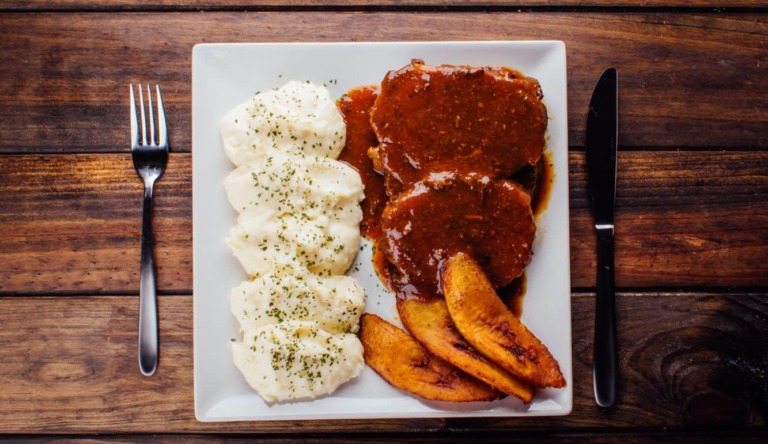
Asado Negro is a classic from the Venezuela cousine. The first recipe about Asado Negro was found in Caracas in 1861. This dish stands out for its bold, glossy, dark sauce and the melt-in-your-mouth tenderness of the beef. Its name — “black roast” — is a nod to the rich caramelized coating that gives it both its signature flavor and dramatic look.
Born from the fusion of Spanish colonial techniques and Afro-Caribbean flair, Asado Negro was traditionally a festive dish, reserved for meaningful gatherings — think Christmas, birthdays, or those big Sunday family meals that last all afternoon. It gained particular popularity among upper and middle-class Venezuelan homes in the 1800s and early 1900s.
What truly sets Asado Negro apart is its method: the beef is seared in melted brown sugar or papelon, creating a beautifully deep and slightly sweet crust. This base, enriched with aromatics, wine, and spices, becomes a velvety sauce that perfectly balances sweet and savory — a defining trait of Venezuelan cooking.

What is Panela (Papelón) in Venezuela?

Panela, or papelón as it’s most commonly called in Venezuela, is a natural, unrefined cane sugar. It’s made by boiling and evaporating sugarcane juice until it thickens and solidifies into a dense, dark brown block or cone. Unlike white sugar, it retains all the molasses from the cane juice, which gives it a rich, earthy sweetness and deep caramel flavor.
It’s not just a sweetener — it’s part of the culture. Papelón is deeply rooted in traditional Venezuelan cooking, used in everything from drinks to savory dishes.

Asado Negro

Make authentic Asado Negro at home! This classic Venezuelan dish features beef slow-cooked in a dark, flavorful sauce made with panela and red wine.
Prep Time1 day
Cook Time3 hours
Course: Main Course
Cuisine: Venezuelan
Keyword: asado negro
Servings: 4 people
Calories: 490kcal

Ingredients

  • 1 Round beef roast (1.5 to 2 kg / 3 to 4 lbs) ( Muchacho Redondo)

  • 2 tbsp vegetable oil
  • 1/4 cup brown sugar (papelón or panela preferred)
  • 1 large onion, finely chopped
  • 1 bell pepper, diced
  • 4 garlic cloves, minced
  • 1 tbsp worcestershire sauce
  • 500 ml red wine (dry works best)
  • 2 bay leaves
  • salt and pepper

Directions

  • Start by mixing the chopped onion, bell pepper, garlic, Worcestershire sauce, wine, bay leaves, salt, and pepper in a bowl. Add the beef roast and let it soak in this flavorful blend for at least 24 hours in the fridge. This long marination infuses the meat with depth and helps tenderize it.
  • In a large, heavy pot over medium heat, warm the oil. Remove the beef from the marinade and sear it until browned on all sides. Once it's browned, remove it from the pot. Add the sugar to the same pot and let it melt and caramelize until it reaches a rich dark brown — but be careful not to burn it.
  • Pour in the marinade and stir well, letting it simmer briefly to bring the flavors together. Return the beef to the pot, nestling it into the mixture.
  • Lower the heat, cover, and let the dish simmer gently for 2.5 to 3 hours, turning the roast occasionally so it cooks evenly. The sauce should reduce and thicken as it cooks, coating the meat in a luscious, almost syrupy glaze. Alternatively, you can cook it in a 160°C (325°F) oven or in a slow cooker on low for 6–8 hours.
  • Once fully cooked, remove the beef and let it rest briefly. Slice into medallions and serve generously coated with the sauce.

Notes

Best Served With:
Steamed white rice
Fried sweet plantains (tajadas)
Arepas or boiled yuca (cassava)
A fresh green salad for contrast
Tips & Variations:
A dash of clove or cinnamon can elevate the dish’s warmth and complexity.
Asado Negro tastes even better the next day — the flavors deepen beautifully overnight.

Nutrition

Calories: 490kcal | Carbohydrates: 33g | Protein: 38g | Fat: 17g
Tried this recipe?Mention @Lemontrend or tag #lemontrendrecipes!