
Interview with Hila Fahima
Opera is a world where voice, drama, and emotion converge into one of the most powerful artistic forms. Few artists embody this fusion as vividly as soprano Hila Fahima. Known for her brilliant lyric coloratura voice and dazzling stage presence, Fahima has built an international reputation through performances in some of Europe’s most prestigious opera houses, joining a generation of classical musicians shaping the global stage — including artists like violinist Yury Revich.
Born in Karmiel and trained at the Jerusalem Academy of Music and Dance, Fahima quickly emerged as one of the most exciting voices of her generation. Her career gained momentum through major engagements in Europe, including work with the Deutsche Oper Berlin and performances in demanding repertoire such as the Queen of the Night in The Magic Flute and Zerbinetta in Ariadne auf Naxos.
In this exclusive interview, Hila Fahima reflects on her early musical inspirations, the challenges of building an international opera career, and the artistic depth behind some of the most technically demanding roles in the repertoire. She also shares insights into her creative process, the emotional power of live performance, and exciting projects that lie ahead in the coming seasons.
You were born in Karmi’el and trained at the Jerusalem Academy of Music and Dance. What are your earliest memories of music, and when did you realize opera was your true calling?
Music has been a natural part of my life since childhood. As a very shy child with a rich inner world and a vivid imagination, I discovered in music a way to express myself. One of my strongest early memories is the moment I discovered the human voice—the extraordinary ability to express deep emotions and reveal oneself through singing. For me, it became a unique and powerful way to communicate with the world.
During my studies at the Jerusalem Academy of Music and Dance, I began to encounter the world of opera more deeply. To me, opera is the most fascinating of all musical genres, because it brings together theatre, drama, music, different cultures, and often even movement and dance. I realized that if I chose music as my profession, I wanted to challenge myself at the highest possible level—and opera is exactly the place where all these artistic elements converge.
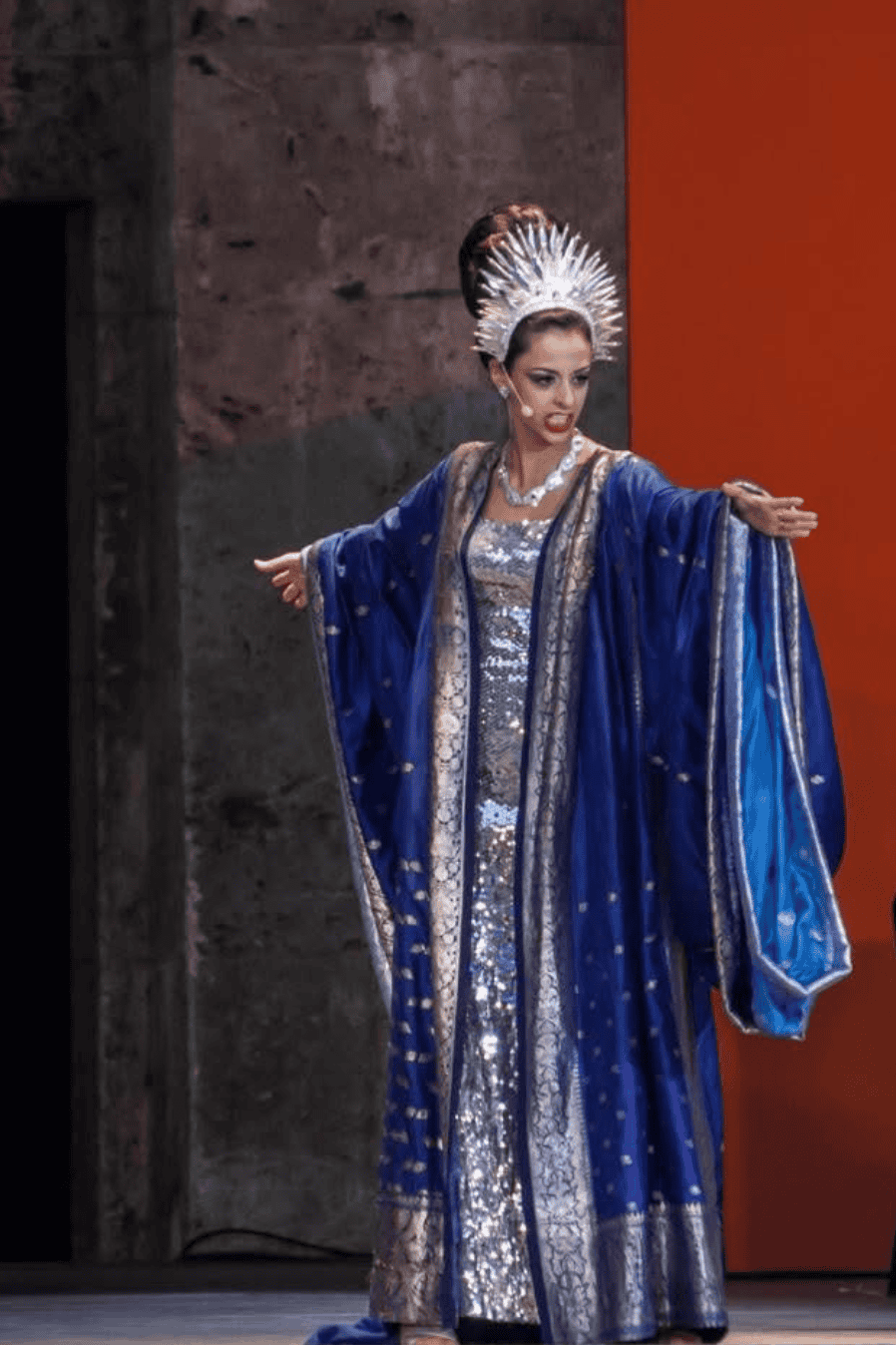
Hila Fahima: Deutsche Oper Berlin, Queen of the night from Magic flute
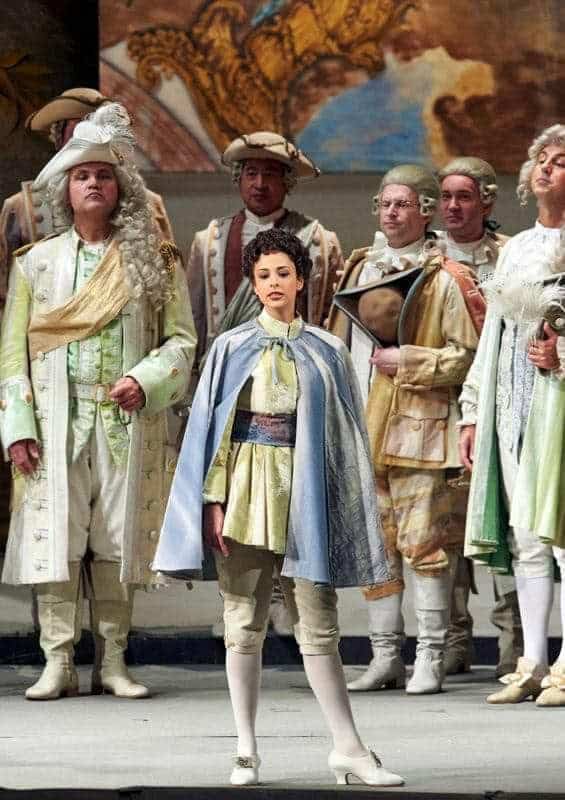
Hila Fahima: Michael Pöhn (Oscar in Ballo in Maschera at the Wienerstaatsoper)
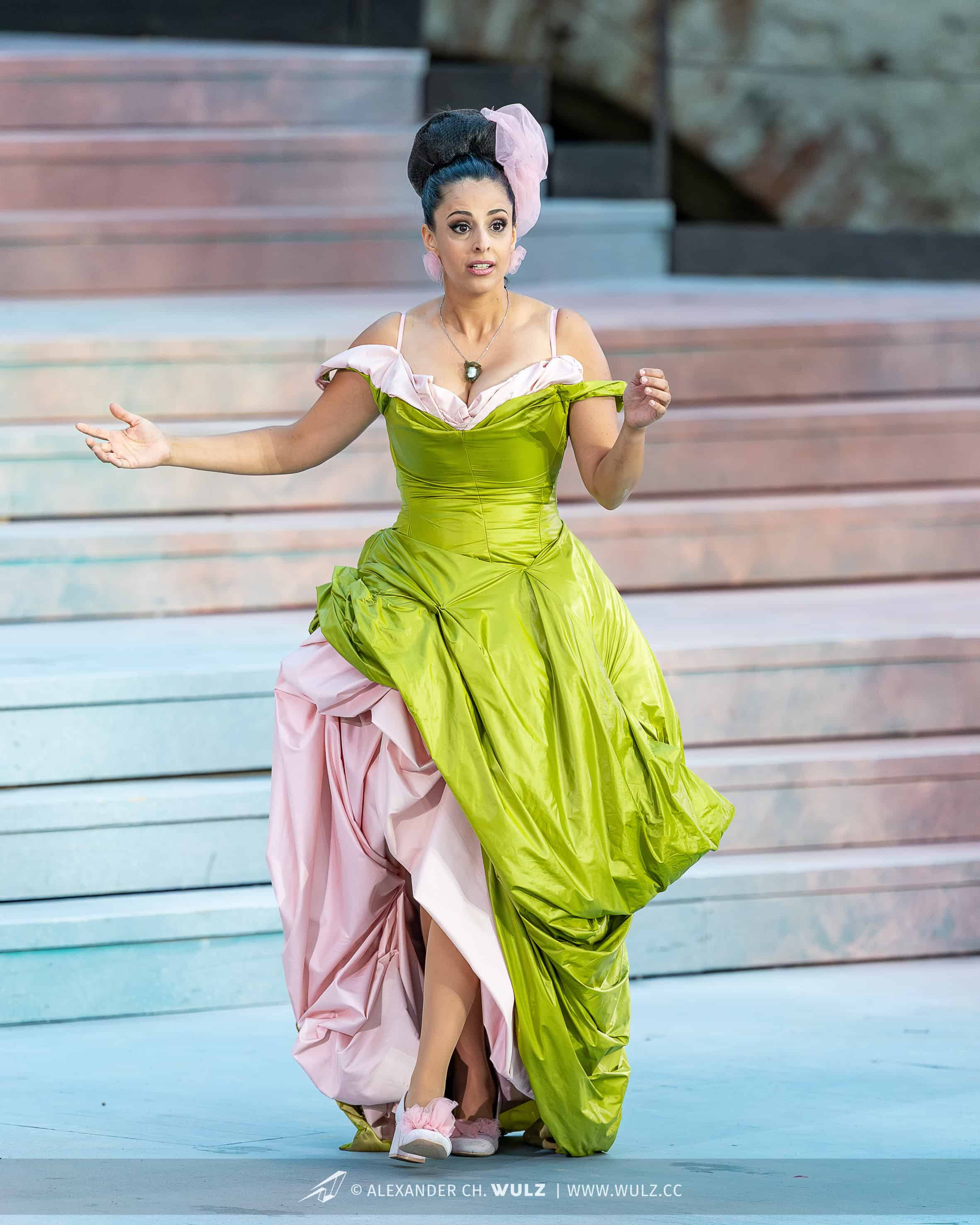
Hila Fahima: Alexander Wulz, La Traviata Burggars Opera
You built your international career starting from the Vienna State Opera ensemble. What were the biggest challenges in establishing yourself on major European stages?
I began my professional journey at the Israeli Opera as part of the Young Artists Program. Within six months, I moved to Berlin after receiving a contract with Deutsche Oper, initially for one year but later extended to three.
It was a major turning point—moving to a new country, adapting to a new language, and entering the demanding environment of a large European opera house.
Building a career in Europe requires both resilience and constant artistic growth. The environment is highly competitive and the standards are exceptionally high. As a young singer, the challenge was to develop quickly, to master demanding repertoire, and to earn the trust of audiences who know opera extremely well.
At the same time, this transition was one of the most fascinating periods of my life. I discovered many things about myself that I had never known before. I matured, learned enormously, and the experience only strengthened my desire to continue creating and evolving as an artist.
Your voice is known for its brilliant coloratura and clarity. How would you describe your vocal identity?
I would describe my voice as a lyric coloratura voice with brilliance, precision, and a wide expressive palette.
Over the years, I have come to understand my voice more deeply—not only from a technical perspective but also from an artistic one. As singers mature, they develop a greater capacity to bring emotional depth and musical nuance to their interpretations.
For me, the most important balance is between vocal virtuosity and genuine emotional expression. Technique serves the artistry, and artistry gives meaning to the technique.
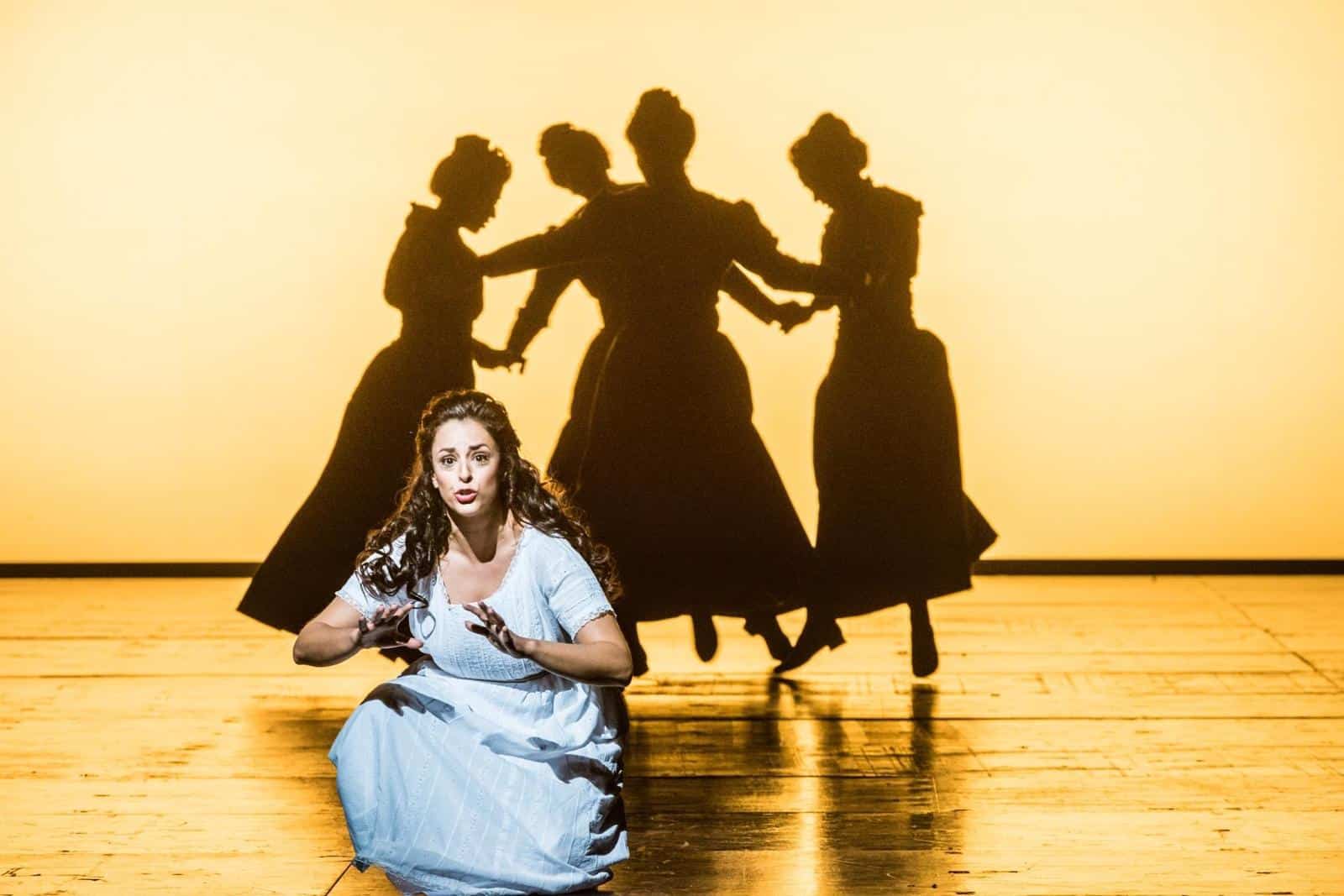
Hila Fahima: Israeli Opera, Lucia Di Lammermoor
Roles like Zerbinetta and the Queen of the Night are extremely demanding. What draws you to these characters?
These roles challenge a singer on every possible level—technically, musically, and dramatically. What fascinates me is precisely this combination of vocal virtuosity and powerful theatrical presence.
The Queen of the Night is a mother often portrayed as a villain, yet she also contains moments of vulnerability and tenderness. Despite appearing in only two scenes, she completely captivates the audience.
Zerbinetta, on the other hand, develops gradually throughout the opera. She possesses humor and vibrancy, yet behind her masks lies a longing for genuine love. Maintaining dramatic tension throughout the role while meeting its immense vocal demands is a true challenge.
Preparation begins months in advance. I divide the role into smaller sections and work on them individually—like assembling a puzzle until the full picture emerges. Each character also requires deep psychological work derived from the text.
You have performed in many countries and cultures. How has living and working internationally influenced you?
An international career opens a world of cultures, languages, and artistic perspectives. Working in different opera houses exposes you to a wide variety of musical interpretations and creative approaches.
For me, this constant exchange is an essential part of artistic growth.
Living and working across different countries also teaches adaptability, openness, and curiosity—qualities that are just as important in life as they are in art.
What does your preparation process look like when you debut a new role?
When preparing a new role, my first step is always a deep study of the score and the libretto. I like to understand the musical architecture of the piece and the dramatic context behind every moment.
From there, the technical vocal work begins, building the role gradually and in a healthy way.
At the same time, I explore the psychology of the character—her background, motivations, and emotional journey throughout the opera.
Studio recordings and live opera performances are very different experiences. What do you enjoy most about each format?
A live performance on stage is an experience that cannot be replicated. The energy of the audience, the interaction with the orchestra, and the connection with colleagues on stage create moments that are entirely unique.
Sometimes something magical happens on stage—it feels almost mystical.
Recording offers a different artistic satisfaction. The preparation involves deep research and refinement. In a sense, a recording is like a painting on a wall—something that remains and can be revisited again and again.
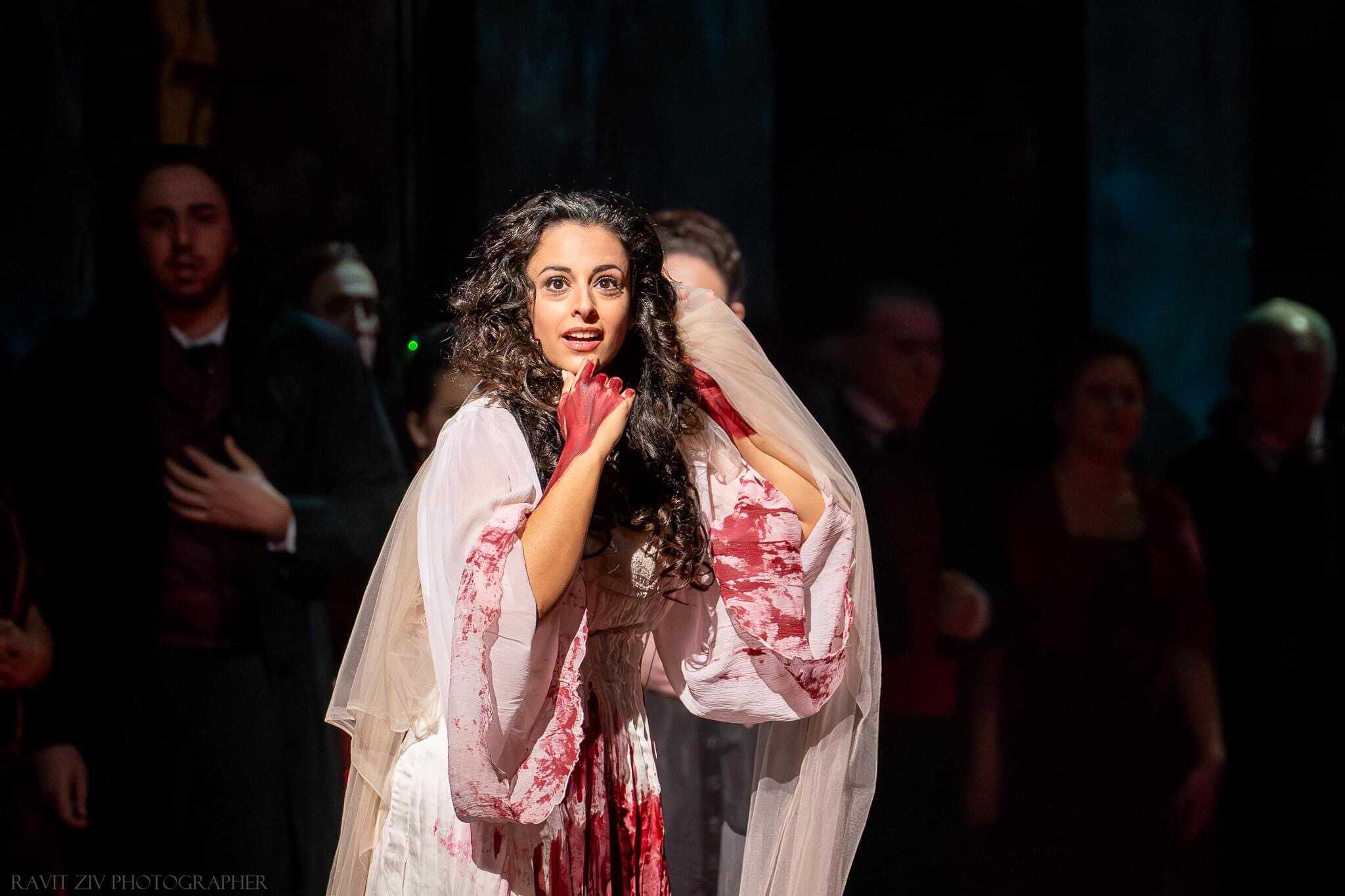
Hila Fahima: Israeli Opera, Lucia Di Lammermoor
Is there a particular performance that you consider a turning point?
One that stands out was my first Lucia in a new production at the Aalto Theater Essen.
Working on the role for more than a month and building a character who gradually descends into madness was an extraordinary experience.
It was also a dream come true to sing such an iconic role.
What advice would you give to young singers dreaming of an international opera career?
First of all: patience and perseverance. A career in opera is a marathon, not a sprint.
It is essential to build a solid vocal technique and choose repertoire that truly suits your voice.
I would also encourage young singers to travel, attend concerts and operas, meet professionals, and participate in competitions and masterclasses.
And most importantly—listen to your inner voice.
Looking ahead, what projects excite you most in the coming seasons?
I am currently performing the role of the Queen of the Night again after a five-year break, and it is very exciting to bring her back to life.
There is also a new role currently being written especially for me. It will premiere next season and is based on a true story.
Additionally, I will perform a series of New Year concerts in 2027 in a place where I have never performed before. More details will be revealed soon.
For more information please visit: Hila Fahima
Photo Credits:
Featured Image: Manfred Baumann