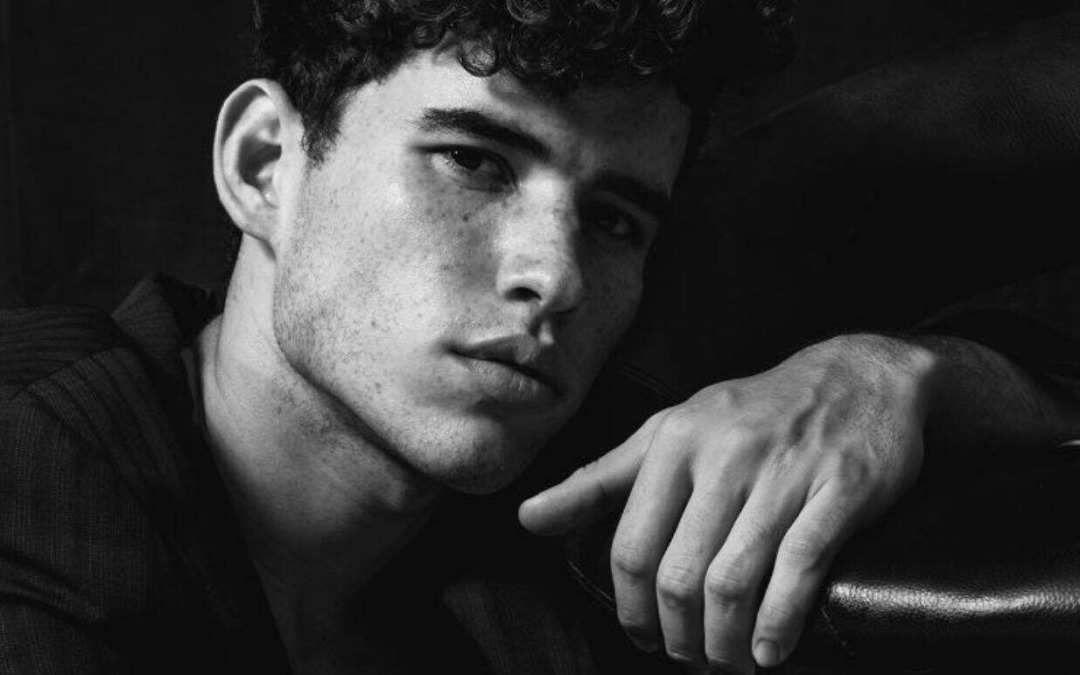
Venezuelan Model
From political persecution to international fashion runways, this is the extraordinary journey of Carlos Jaimes, a Venezuelan model whose life has been shaped by both unimaginable hardship and relentless determination. What began as a peaceful student protest against injustice in Venezuela quickly escalated into a terrifying confrontation with a repressive regime, one that would alter the course of his life forever.
Arrested, tortured, and imprisoned for daring to speak out, Carlos endured one of the darkest chapters any young person could face. But even after being forced to flee his homeland, the fire to rebuild never left him. In exile, he found healing through martial arts, and eventually, an unexpected opportunity to reinvent himself in the world of fashion.
In this candid interview, the Venezuelan model opens up about his time in prison, the trauma of political persecution, and the long road to reclaiming his identity. From being labeled an enemy of the state to becoming the face of international campaigns, Carlos’s transformation is both powerful and deeply personal.
More than just a career in front of the camera, his success as a Venezuelan model represents survival, strength, and the ability to turn pain into purpose. His story is a testament to courage, personal growth, and the pursuit of dreams, even in the face of unimaginable adversity.
What led you to protest against the government?
In 2014 when the protests started I was in the university, The country was going through many economic, political, and social problems, where countless injustices had been committed against the people and where it was proven that the rule of law did not exist, yet they held the power.
So I decided to raise my voice because I believed that doing so would help my country get out of this huge problem. I believed there was a fight to be fought, and as a Venezuelan, I should take responsibility to help.
What happened after the neighbors reported you to the police?
In Venezuela, providing information to the government about dissidents is rewarded. They call it "TUN TUN OPERATION."
In my case, one of the neighbors in my building contacted the regime authorities, and intelligence forces immediately arrived at my house and they took me out me like a criminal.
Can you share what your experience in jail was like, and how it affected you?
Before arriving at the "Alayon" detention center, I spent two days in the state intelligence cells, where I was physically and psychologically tortured.
There, I stayed for 40 days in what I call "hell on earth," a place where life is worthless, where everyone is heavily armed, and horrors are a daily occurrence.Cells that were built for 20 people had more than 80. The heat was excruciating, the smell indescribable, and the conditions were deplorable.
During my time inside, I lived through three riots, where I was caught in the middle of gunfire and saw people being killed and injured. That was the first time I saw a dead body.
The longest 40 days of my life.
How did you find the strength to move forward after your release?
At first it was extremely difficult to move on, my mind was still processing everything even months after my release, sleepless nights and the constant fear of being taken away again.
Reading was the most important tool that helped me move forward, Biographies, self-help, philosophy and some psychology, In the books I found a guide to life.
Why the Venezuelan model had to leave his home country
The decision to leave the country was absolutely necessary. Once you fight against the government, you have no peace. Your only option is to leave.
A very good friend was already living in Panama and told me to move there. It was the best decision of my life.
How were you discovered as a model there?
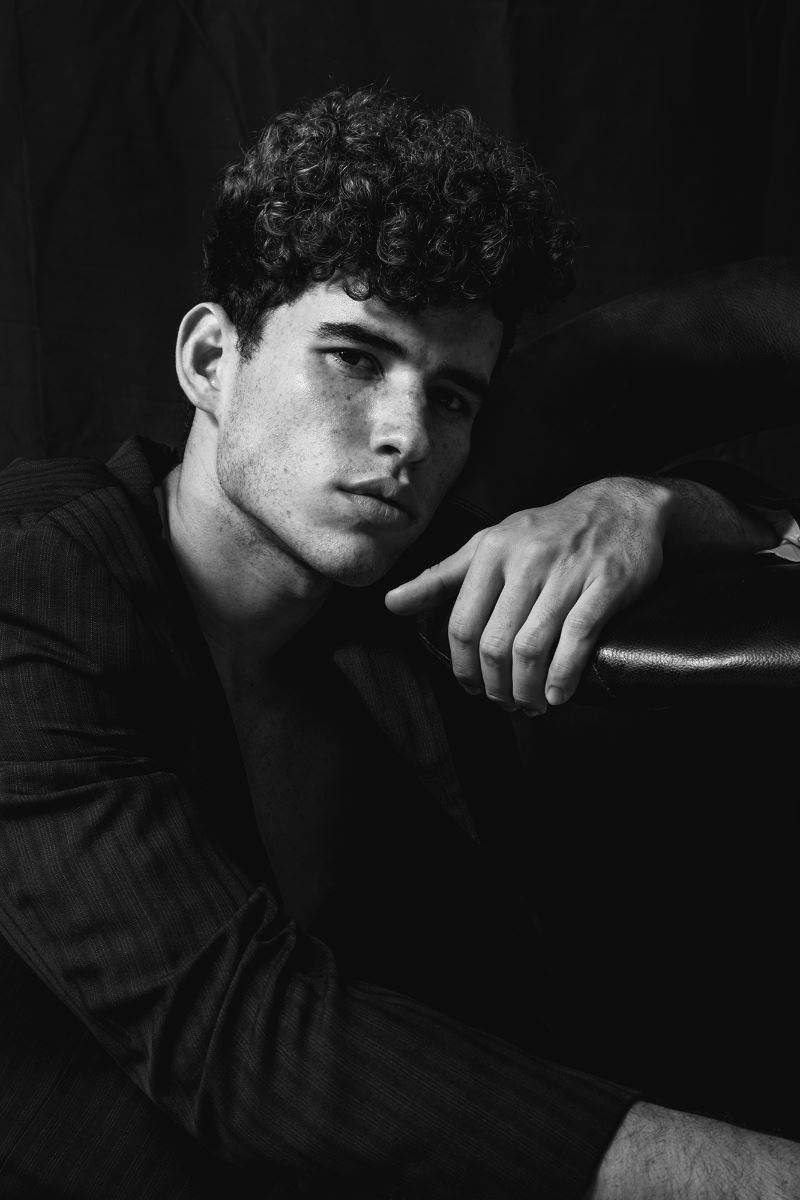
I've trained in martial arts all my life, which I continued when I arrived in Panama. At the weigh-in for my first fight in Panama, the league uploaded a photo to their social media. This caught the attention of a photographer (I was quite thin at the time). He contacted me and asked if I was interested in doing a test shoot.
At first, I refused because I knew absolutely nothing about the modeling world. After a few weeks, I accepted, and we took the photos. The results were so good that I connected with a small Panamanian agency called P2 Models (which no longer exists). They taught me everything I needed to know about modeling, teachings that, with all my experience, I continue to put into practice to this day. I'm very grateful to them.
What was it like transitioning from survival mode to walking runways and modeling for big names?
During the first years of my modeling career, I didn't experience any sudden changes in my daily routine because rates in Panama are extremely low, and a model can't make a living solely from modeling. So, modeling was a project I built little by little with perseverance until the time came for an international agency to show interest in me.
That moment came four years later when my Mother agency Gustavo Granados Management, signed me. They are responsible for my modeling career being where it is and im so grateful with them.
What does this journey mean to you personally, looking back at where you started?
My path reminds me every day that I must continue forward no matter how difficult it seems to continue, there will always be a reward after overcoming an obstacle.
Do you still feel connected to Venezuela’s struggles, even while living abroad?
The first few years outside of Venezuela it was difficult to disconnect from everything happening in the country, but I realized that, to grow I had to let go, focus on all the projects I was working on, and grow as a person. Currently, I'm completely disconnected from any political struggle in Venezuela.
I gave everything to Venezuela while I was there, and I lost. I risked not only my life but the lives of everyone around me. They don't just look for those who fight, they look for everyone close to everyone who fights against them. My fight in Venezuela is over.
What message would you like young Venezuelans, or young people facing hardship anywhere, to take from your story?
Believe in yourselves, no matter how difficult you think your current situation is, you will always find a light at the end of the tunnel.
Do you remember your very first casting or fashion show? What was that experience like?
My first casting was for Panama Fashion Week, it was like going to school for the first time, you don't know anyone, you feel like you don't belong there and that knot in your stomach of fear of the unknown, but it went extremely well, all the men's brands selected meand a week after i make a runway for them.
Who are the designers or brands you dream of working with in the future?
In my years as a model, I've become more interested in commercial campaigns than fashion campaigns, so one of my biggest goals as a model is to do a big campaign with a sports brand like NIKE.
And if we're talking menswear, it would be a dream to work on a campaign for HUGO BOSS.
Modeling can be very demanding what’s the most challenging part of the job for you?
Accepting rejection. People think the hardest part of modeling is posing or maintaining a low-calorie diet to stay fit, but no, the hardest part is accepting rejections at every casting call when you're not selected.
After I started accepting rejection positively without it affecting me, I started getting a lot of jobs. It's all about the attitude.
And what’s the most rewarding part?
Every time I see myself representing a brand, whether small or large, with my image, I feel proud of who I am and what I stand for. There's nothing better than feeling proud of ourselves.
How do you prepare physically and mentally before a big show or campaign?
Physically, I try to maintain a diet that matches the goals of the campaign or show, and mentally, I imagine myself having already completed the campaign or show and everything going well.
Confidence is reflected in our work.
Have you had a “pinch-me” moment in your career so far, where you couldn’t believe it was real?
The first time I worked on a campaign in Turkey, it was the first time I'd ever worked outside of Latin America. I couldn't believe a brand would pay $1,600 for a single day. I couldn't believe it; I felt like all the work beforehand had been worth it.
Years later and much bigger shoots later, I still remember that day with great joy.
Carlos Jaimes’ story is more than just a personal triumph, t's a powerful reminder of what the human spirit can achieve. As a Venezuelan model, he continues to inspire others with his resilience and dedication.
For more information please visit: Carlos Jaimes and @Carlosjaimes
Photo Credits:
Photo 1 & 2:
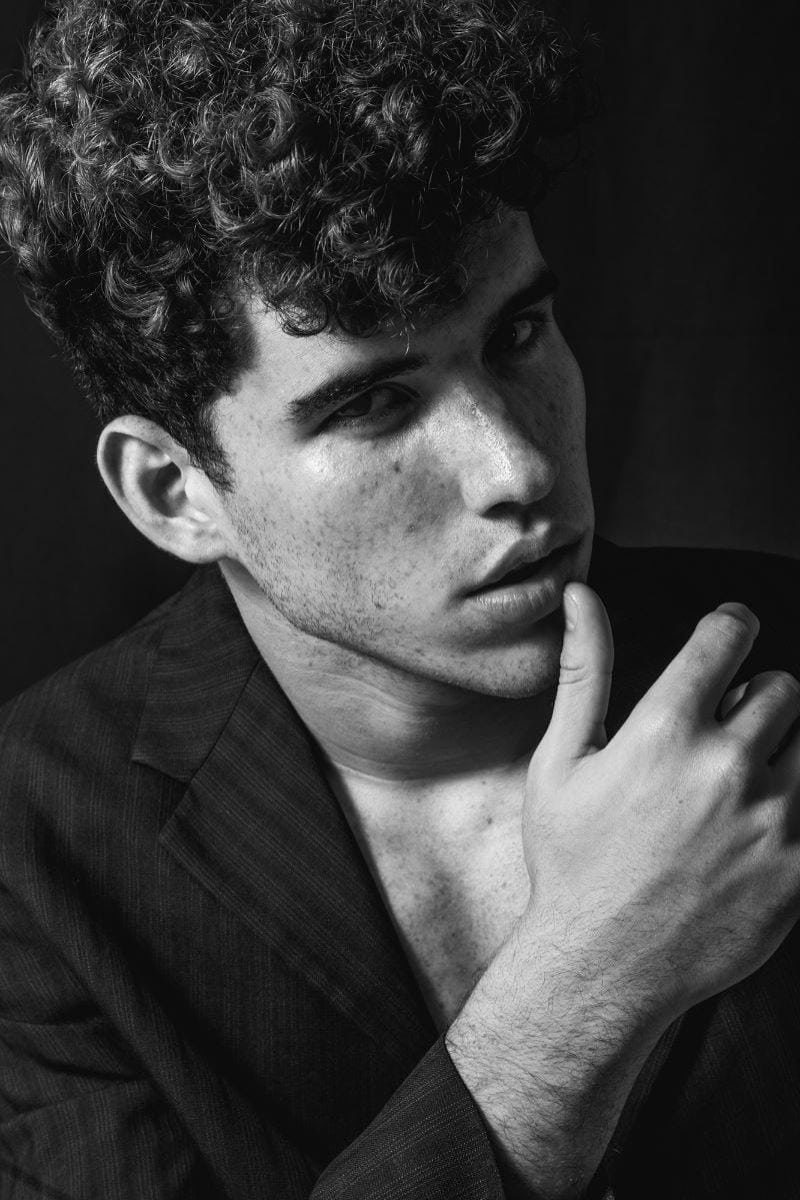
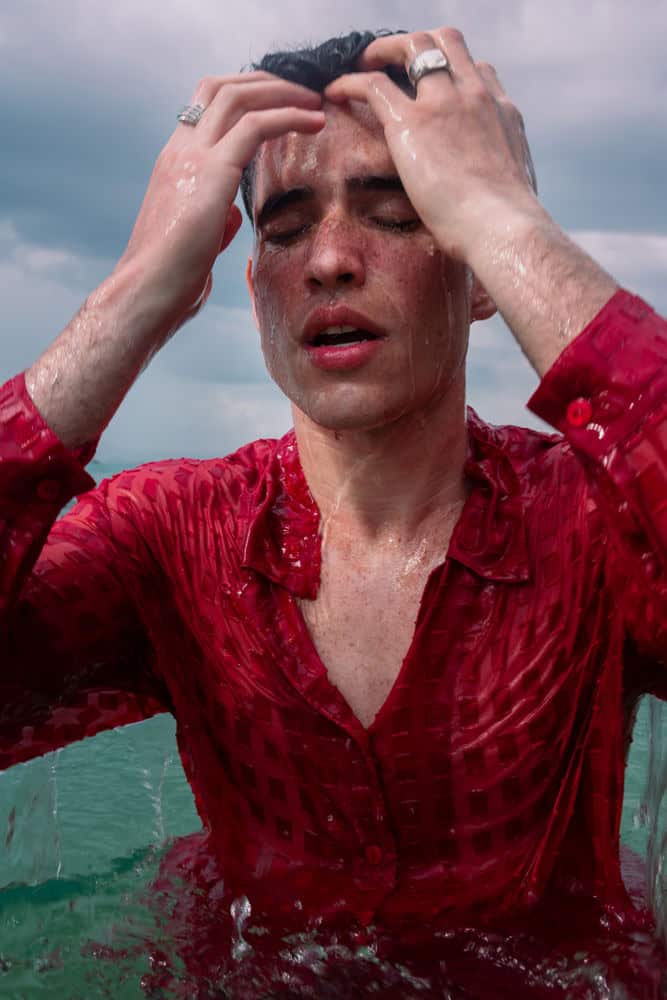
Fotografa Yassel Chapman @yassellchapman
Photo 3 & 4:
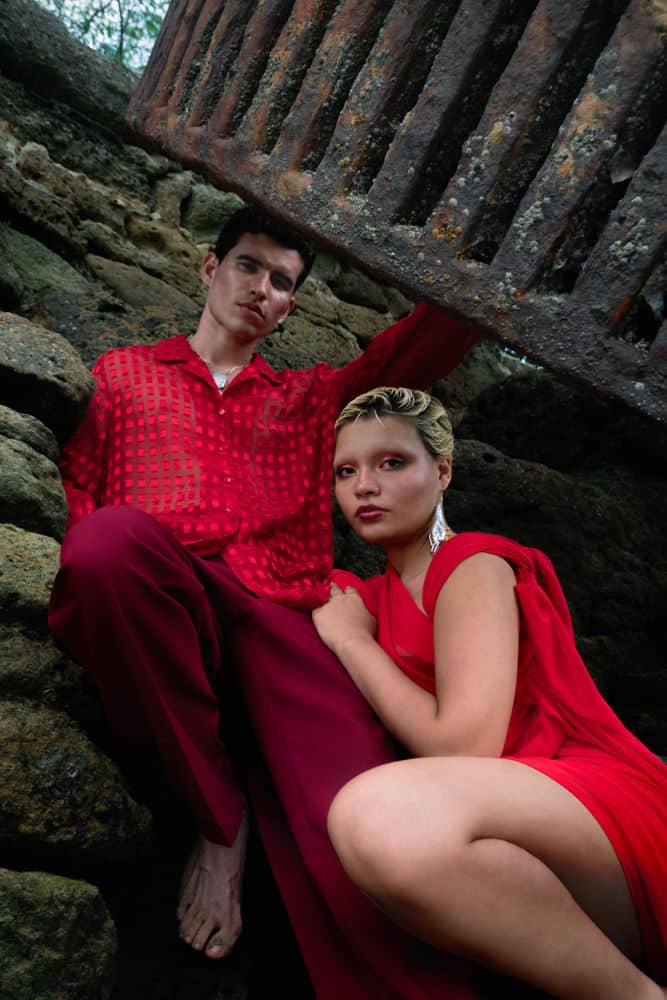
Location: Isla Taboga Panamá
Photograph: Isabel Pérez @isapleon2
Styling: Coco Vivas @ccocad
Photo 5:
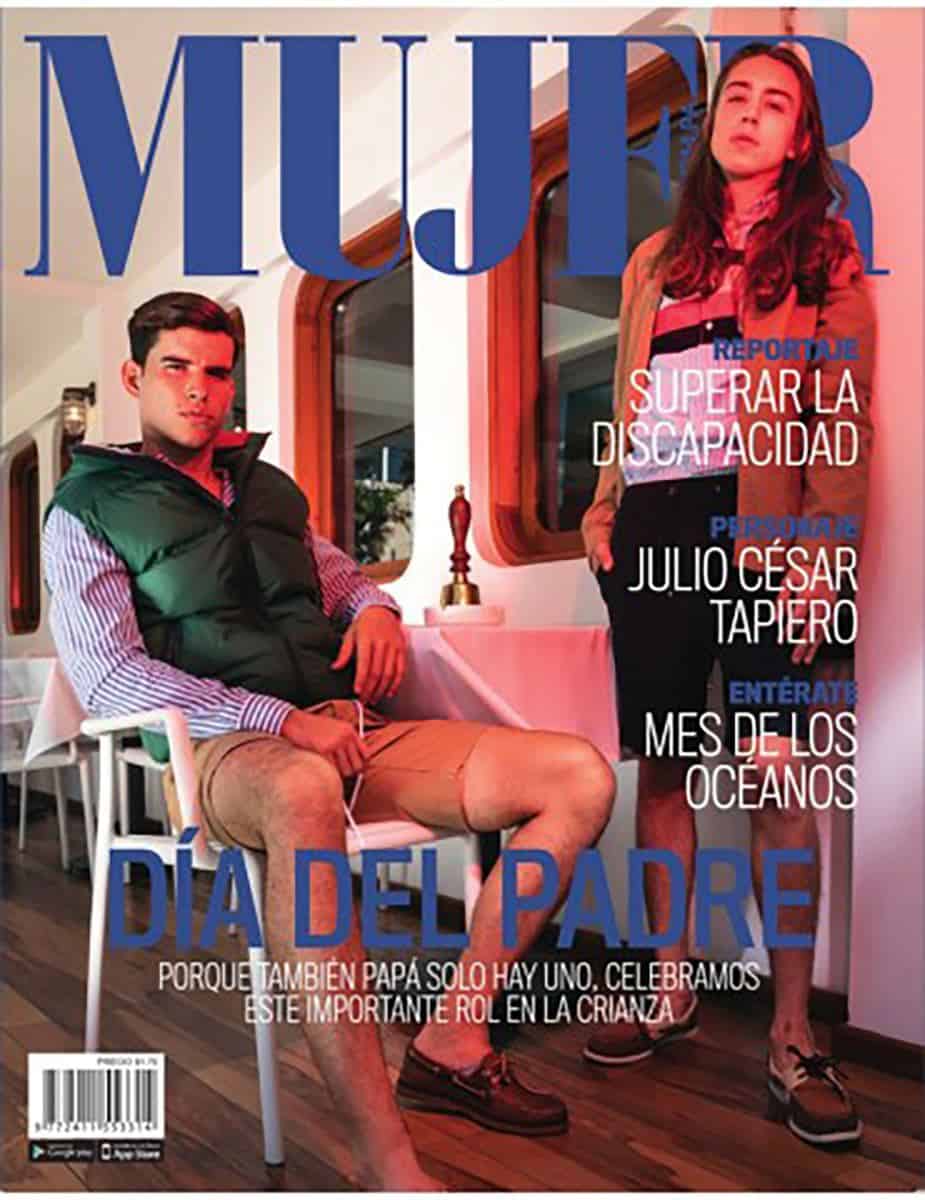
Portada para Revista Mujer! Edición junio 2019
Full look: @tommyhilfiger
Photo: Daniela Castro
Art Direction:Arianna Daze
HMA: Dagmar Arosemena
Style: Andrea Ribot