Top 5 Winter Destinations
Europe in winter is a wonderland of enchanting landscapes, cultural festivities, and cozy traditions that transform the continent into a destination like no other. From the snow-capped peaks of the Alps to the bustling holiday markets filled with lights, laughter, and handmade treasures, each corner of Europe offers its own unique winter charm. The cold season breathes new life into the cities, villages, and countryside alike, creating an irresistible blend of serene beauty and lively celebrations. For those seeking adventure, Europe’s mountain ranges offer world-class skiing, snowboarding, and scenic hikes through frosty woodlands. If a warm drink and festive atmosphere are more your style, the traditional Christmas markets and candle-lit streets of historic towns promise a perfect setting for holiday cheer.
Whether you’re looking to experience the natural phenomenon of the Northern Lights, glide across an outdoor ice rink in the heart of a medieval city, or simply relax by a crackling fire in a quaint mountain lodge, Europe has something to satisfy every winter travel dream. From cozy alpine villages to vibrant capitals that light up under the season’s glow, Europe in winter is a blend of old-world charm, breathtaking landscapes, and unforgettable experiences. Here are five top winter destinations across Europe, each with its own captivating features and facts. So, pack your bags, bundle up, and get ready to explore these magical spots that promise to make your winter holidays unforgettable.
1.-Salzburg, Austria
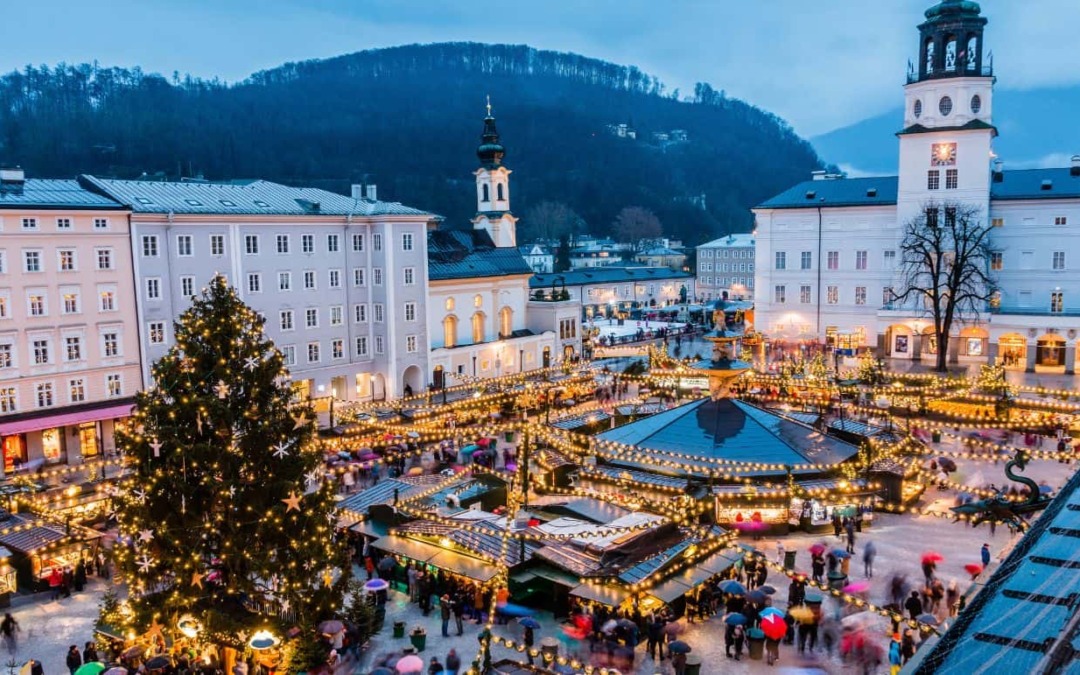
Why Go: Salzburg is renowned for its Baroque architecture and of course it has to be in our top 5 winter destinations, cozy cafes, and Christmas markets that bring a special warmth to the winter chill. The Alps provide a stunning snowy backdrop, making it ideal for both sightseeing and skiing.
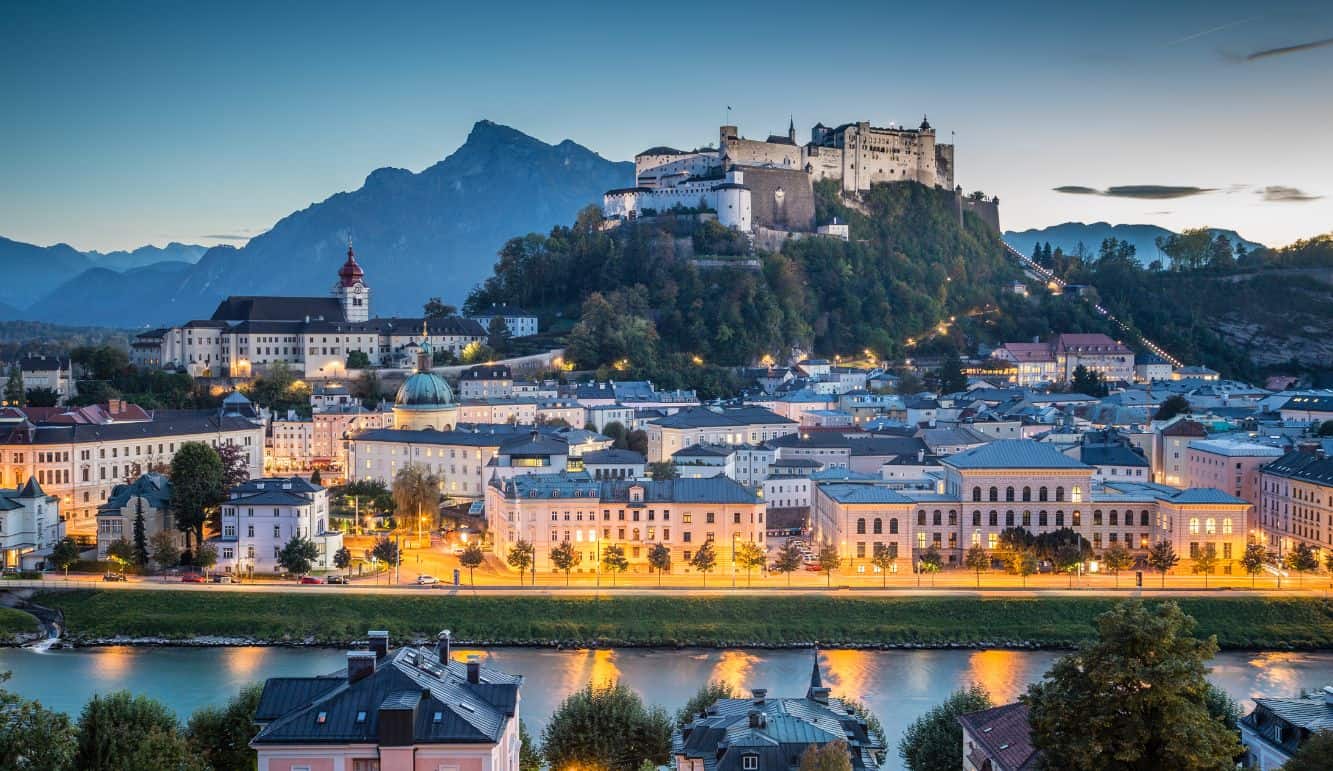
Salzburg, Austria, is a beautiful city nestled at the northern edge of the Alps, known for its historic charm, Baroque architecture, and musical heritage as the birthplace of Wolfgang Amadeus Mozart. It’s also famed for being the filming location of The Sound of Music. In winter, Salzburg becomes especially magical, with its medieval streets and historic buildings dusted in snow, and a cozy, festive atmosphere that draws visitors from around the world.
Top Attractions
- Hohensalzburg Fortress: Perched high on Festungsberg hill, this iconic fortress is one of Europe’s largest medieval castles and offers panoramic views of Salzburg and the surrounding Alps. You can either walk up or take a funicular to the top.
- Mirabell Palace and Gardens: Known for its beautifully landscaped gardens and stunning Baroque architecture, Mirabell Palace is also famous for scenes from The Sound of Music. The gardens are peaceful in winter, with the snow giving them an extra layer of beauty.
- Mozart’s Birthplace and Residence: Salzburg is Mozart’s hometown, and you can visit the house where he was born on Getreidegasse and his later residence nearby. These museums offer insights into his life, family, and early compositions.
- Salzburg Cathedral (Dom zu Salzburg): This 17th-century Baroque cathedral is a masterpiece of architecture and one of the city's most important landmarks, with stunning frescoes, a beautiful facade, and intricate interior design.
- Hellbrunn Palace and Trick Fountains: While the trick fountains aren’t operational in winter, Hellbrunn Palace hosts an enchanting Christmas market during the holiday season and has a lovely Advent calendar display on its windows.
Culinary Delights
- Austrian Cuisine: Salzburg is known for its hearty Austrian dishes, including Wiener Schnitzel, Tafelspitz (boiled beef), and Kasnocken (cheese dumplings).
- Mozartkugel: A popular treat is the Mozartkugel, a round chocolate confection filled with marzipan and nougat, named in honor of Mozart. You can find these at cafes or specialized chocolate shops.
- Stiegl Beer: Salzburg has a longstanding brewing tradition, and Stiegl Brewery, one of Austria’s oldest breweries, offers tastings and tours.
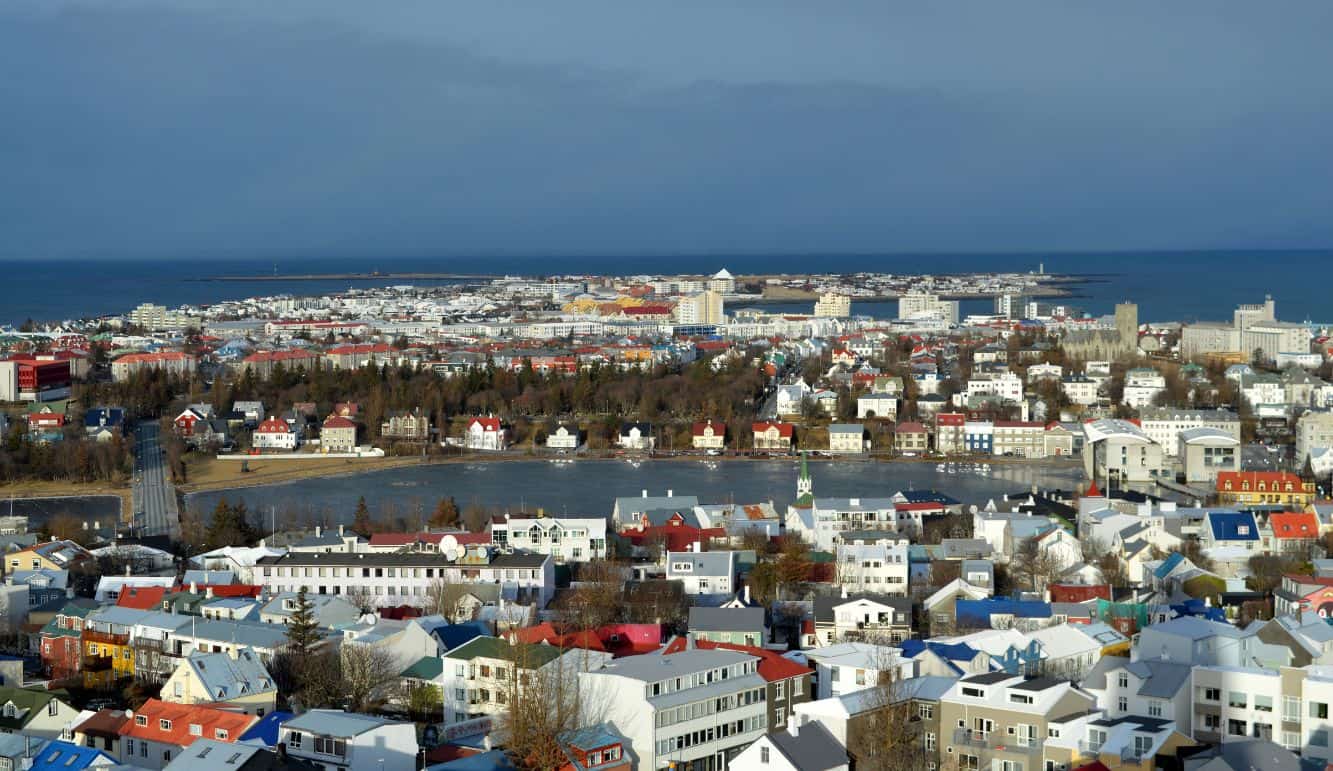
2. Reykjavik, Iceland
Why Go: Winter in Reykjavik is a gateway to surreal landscapes and the Northern Lights. The geothermal Blue Lagoon offers a warm contrast to Iceland’s icy terrain.
Reykjavik, Iceland’s capital and largest city, is a unique winter destination with a blend of urban life, natural beauty, and vibrant culture. The northernmost capital in the world, Reykjavik serves as a gateway to Iceland’s incredible landscapes, including glaciers, volcanoes, and waterfalls, and it’s one of the best places to experience the Northern Lights. Here’s an in-depth look at what Reykjavik offers in winter.
Top Attractions in Reykjavik
- Hallgrímskirkja Church: This iconic, towering church is Reykjavik’s most famous landmark. Its striking modernist design is inspired by Iceland’s basalt lava formations, and the view from the top offers an excellent panorama of the city and surrounding mountains.
- Harpa Concert Hall and Conference Centre: With its geometric glass facade inspired by Iceland’s landscapes, Harpa is a beautiful building to visit. It hosts concerts, theater productions, and cultural events and is especially stunning when illuminated at night.
- Sun Voyager (Sólfar): This famous sculpture, located along the waterfront, resembles a Viking ship and represents Iceland’s spirit of exploration. It’s a popular spot for photos, particularly at sunset with views of Mount Esja in the background.
- National Museum of Iceland: This museum is great for learning about Icelandic history and culture, covering everything from the Viking era to the present day.
- Perlan (The Pearl): This distinctive building houses a planetarium, a glacier exhibit, and an observation deck offering 360-degree views of Reykjavik. It’s a great place to learn about Iceland’s unique geology.
Food and Drink in Reykjavik
Reykjavik’s culinary scene is vibrant and experimental, mixing traditional Icelandic flavors with modern influences.
- Traditional Icelandic Dishes: Sample dishes like lamb soup (Kjötsúpa), smoked lamb, Icelandic hot dogs (served with crunchy onions, ketchup, and remoulade), and Skyr (a dairy product similar to yogurt).
- Seafood: Iceland is known for its fresh seafood, and Reykjavik offers a range of seafood dishes, including fresh cod, arctic char, and langoustine.
- Coffee Culture: Reykjavik has a strong coffee culture, with cozy cafes like Reykjavik Roasters and Mokka Kaffi being popular for locals and visitors alike. Icelanders are serious about their coffee, and many of the city’s cafes have a friendly, laid-back vibe.
- Brennivín: Known as Iceland’s signature spirit, this schnapps made from fermented potatoes and flavored with caraway seeds is often called “Black Death.” It’s traditionally enjoyed with Icelandic delicacies.
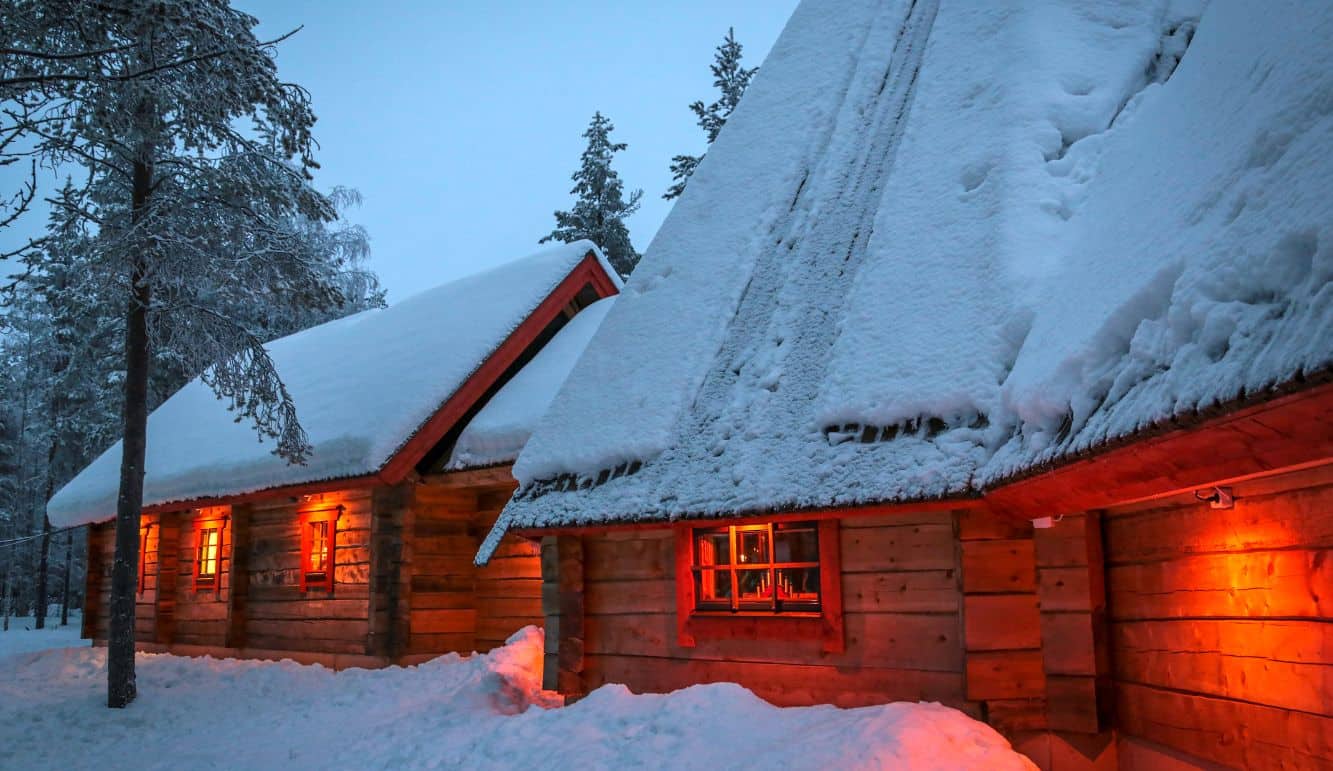
3. Rovaniemi, Finland
Why Go: Rovaniemi is considered the official hometown of Santa Claus and is a family-friendly winter wonderland. Here, you can meet Santa, go on reindeer sleigh rides, and experience the Northern Lights.
Rovaniemi, located in Finnish Lapland, is the official "hometown" of Santa Claus and one of the most magical winter destinations in Europe. Known for its Arctic landscapes, Northern Lights, and endless snow-covered forests, Rovaniemi offers a blend of traditional Finnish culture, winter sports, and unique experiences that make it a perfect winter escape, especially for families and those seeking holiday cheer.
Here’s what you can expect when visiting Rovaniemi in winter:
- Santa Claus Village
- Meet Santa Claus: Santa Claus Village is a Christmas-themed park located just a few kilometers north of Rovaniemi. Open year-round, it’s the perfect place for children (and adults!) to meet Santa Claus himself, who greets visitors daily.
- Santa’s Post Office: Here, you can send postcards with a special Arctic Circle postmark. The post office receives and sends thousands of letters to Santa every year from children around the world.
- Crossing the Arctic Circle: The village is situated right on the Arctic Circle line, which is marked for photo opportunities. You’ll also receive a certificate if you wish, commemorating your crossing of the Arctic Circle.
- Reindeer Rides: Santa Claus Village offers short reindeer sled rides, providing a glimpse into traditional Sami culture. Visitors can also learn more about the importance of reindeer in Lapland and even meet some of Santa’s reindeer.
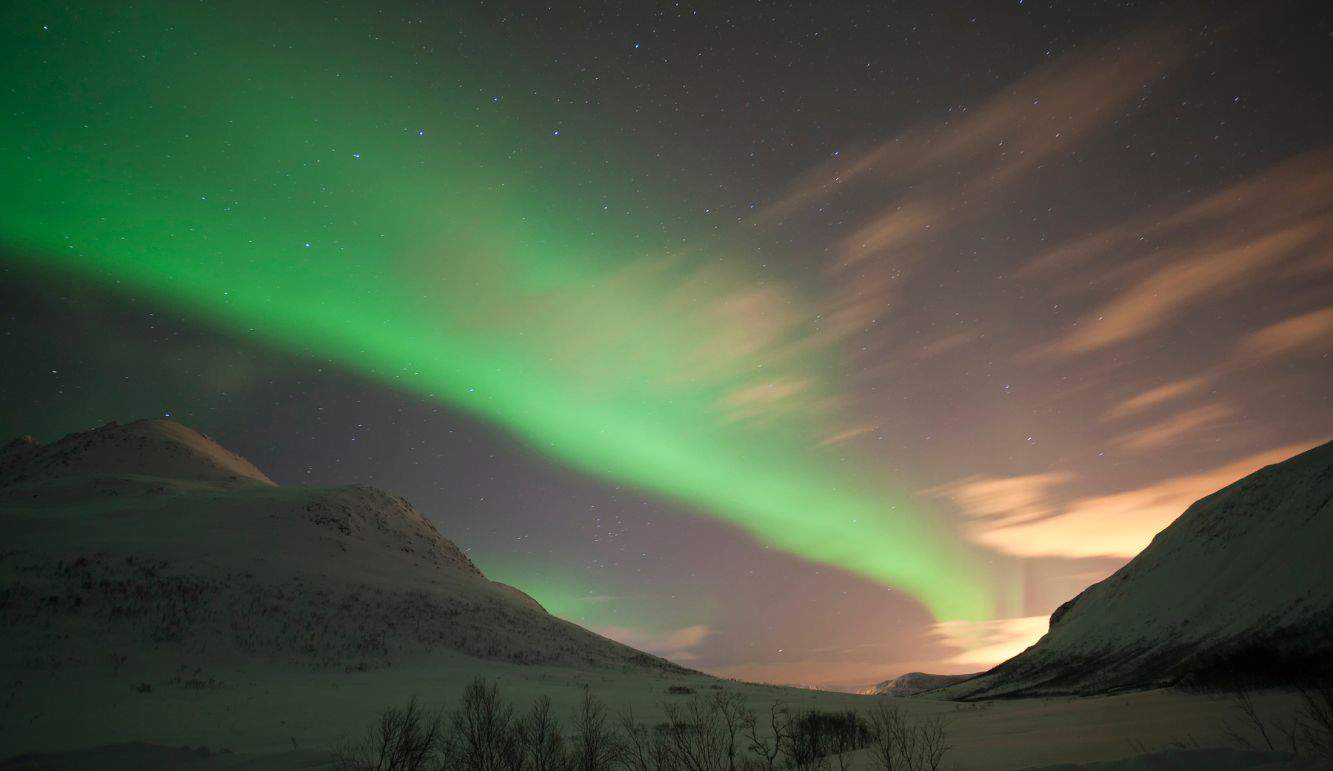
4. Tromsø, Norway
Why Go: Known as the “Gateway to the Arctic,” Tromsø is one of the best places to witness the Northern Lights. With plenty of outdoor adventures and cultural experiences, it’s an unforgettable Arctic experience.
Tromsø, often called the "Gateway to the Arctic," is a stunning winter destination in Northern Norway known for its natural beauty, Arctic wildlife, and Northern Lights. Located well within the Arctic Circle, Tromsø offers both rugged wilderness and a lively city atmosphere with a rich history, making it a favorite among winter travelers.
Here’s a closer look at what Tromsø has to offer:
- Northern Lights Capital: Tromsø is one of the best places in the world to see the Northern Lights, particularly from September to April. Thanks to its high latitude and clear skies, Tromsø has consistent and spectacular aurora activity.
- Aurora Tours: Many guided tours operate from Tromsø, taking visitors to remote areas with minimal light pollution. Popular options include Aurora chases by minibus, boat, or even snowmobiles. Some tours also combine the Northern Lights with other activities like snowshoeing, dog sledding, or ice fishing.
- Northern Lights Observatory: For a scientific perspective, you can visit the Tromsø Geophysical Observatory to learn about aurora research and space weather.
Local Cuisine and DiningTromsø has a vibrant food scene that emphasizes local and Arctic ingredients, often focusing on fresh seafood, game meats, and wild berries.
- Seafood: Fish dishes such as Arctic char, cod, and king crab are staples on menus in Tromsø, with restaurants like Fiskekompaniet and Bardus Bistro serving locally-sourced seafood specialties.
- Reindeer and Moose: Reindeer and moose meat are traditional dishes in northern Norway. Often served as steaks, stews, or smoked, these meats are a unique taste of the Arctic region.
- Local Delicacies: Tromsø is also known for its cloudberry jam and traditional Norwegian waffles served with brown cheese, sour cream, or berry preserves. Many cafes offer cozy spaces to enjoy these delicacies with a warm drink.
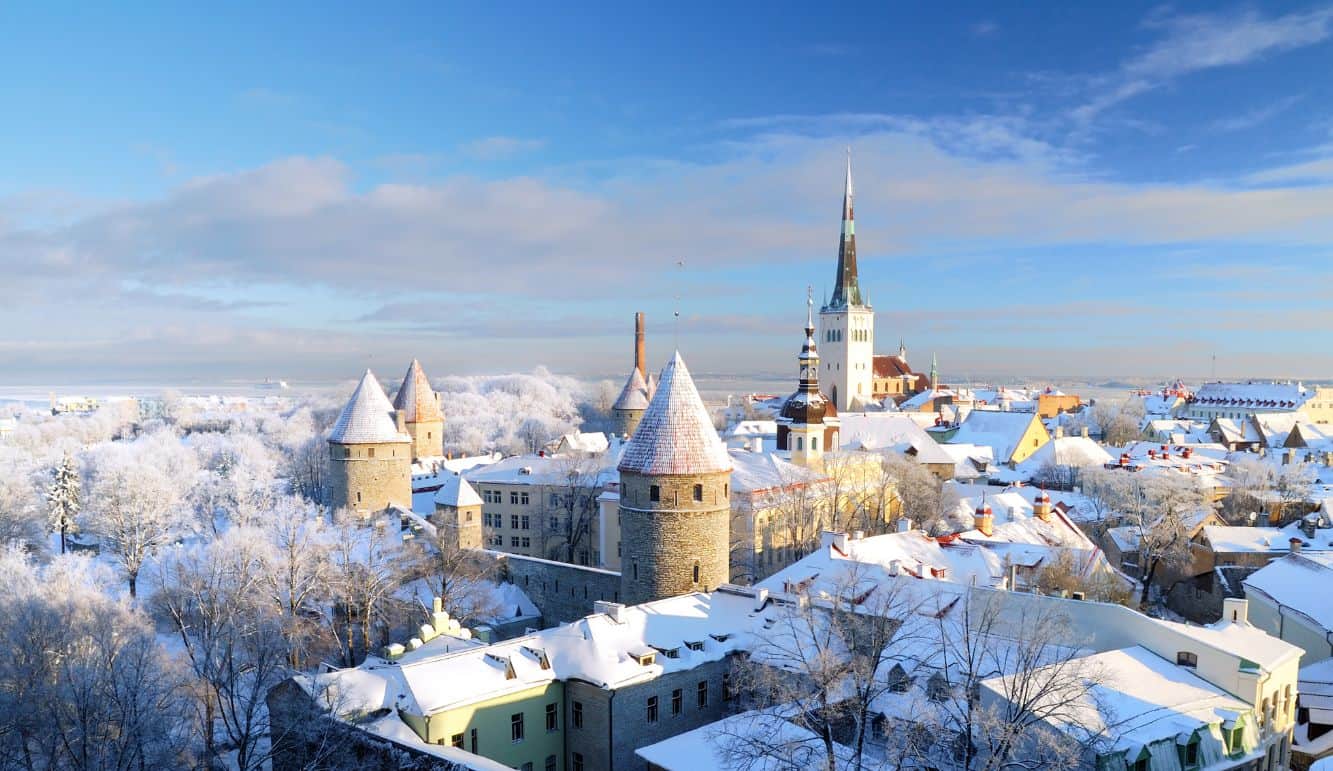
5. Tallinn, Estonia
Why Go: The medieval old town of Tallinn is a hidden gem that transforms into a winter paradise. Its narrow cobbled streets, medieval architecture, and less crowded Christmas market create an intimate experience.
Tallinn, Estonia’s charming capital, is one of Europe’s best-preserved medieval cities, offering a unique blend of historical intrigue, modern comforts, and winter charm. Nestled on the Baltic Sea coast, Tallinn transforms into a winter wonderland during the colder months, with cobblestone streets, medieval towers, and ancient churches dusted with snow, creating an enchanting atmosphere that feels straight out of a fairytale.
Here’s an in-depth look at what Tallinn has to offer during the winter season:
- UNESCO World Heritage Site: Tallinn’s Old Town is a UNESCO World Heritage site, celebrated for its remarkably preserved medieval architecture. Walking through its cobbled streets feels like stepping back in time, with Gothic churches, old merchant houses, and looming stone towers.
- Town Hall Square (Raekoja Plats): The heart of the Old Town, Town Hall Square is surrounded by colorful medieval buildings and the impressive Tallinn Town Hall, dating back to the 13th century. During winter, this area is particularly atmospheric, hosting one of Europe’s oldest Christmas markets.
- Viru Gate: The historic Viru Gate serves as the entry point to the Old Town and is especially beautiful in winter. The gate’s two towers, often adorned with snow, make for a perfect photo spot.
Unique Local Cuisine
- Estonian Flavors: Tallinn’s restaurants offer hearty Estonian winter dishes like mulgipuder (a potato and barley porridge), roasted meats, and various pickled and smoked dishes. Rye bread is a staple of Estonian cuisine, often served alongside meals with butter or smoked fish.
- Modern Estonian Cuisine: For a more modern take, try NOA or Restaurant Ö, which focus on fresh, seasonal, and local ingredients, presenting traditional flavors in contemporary ways.
- Olde Hansa: For a unique medieval dining experience, visit Olde Hansa in the Old Town. This restaurant is designed to resemble a 15th-century merchant’s house, complete with candlelight, medieval decor, and servers in period costume. They serve medieval-inspired dishes like wild boar, smoked fish, and hearty stews.
In every corner of Europe, winter reveals a special magic, from twinkling Christmas lights to snow-dusted landscapes and age-old holiday traditions. Whether you find yourself exploring the vibrant energy of a festive city, savoring mulled wine in a historic village square, or braving snowy mountain adventures, each destination offers something unforgettable. Europe in winter is not just about the sights—it’s an experience of warmth, culture, and seasonal wonder that invites you to connect with local traditions and make memories that last a lifetime. So, as the temperatures drop and the snow begins to fall, embrace the charm and mystery of a European winter destination getaway. Wherever you go, the magic of the season awaits!