
Michaelina Wautier
Michaelina Wautier was a remarkably talented 17th-century painter from the Southern Netherlands, whose work defied the expectations placed on women artists of her time. Born in 1604, she developed a bold and versatile style, painting everything from intimate portraits to large-scale historical and religious scenes—genres typically dominated by male artists. For centuries, her name was largely forgotten, her works misattributed to men. But today, Wautier is finally being recognized for the skill, depth, and humanity she brought to the canvas. Her art tells not just the stories of her subjects, but also the quiet resilience of a woman who painted fearlessly in a world that didn’t always see her.
Rediscovering a Forgotten Master: Michaelina Wautier at the Kunsthistorisches Museum Vienna
This fall, the Kunsthistorisches Museum Vienna invites us to step into the world of one of the most fascinating and long-overlooked figures in art history: Flemish Baroque painter Michaelina Wautier (1614/18–1689). From September 30, 2025, to February 22, 2026, the museum will host the most extensive exhibition ever dedicated to her work—marking a major moment in the ongoing re-evaluation of women’s contributions to European art.
Once forgotten, now celebrated, Wautier's art is finally getting the spotlight it deserves. Many of her paintings, long misattributed to male artists or hidden in private collections, will be publicly displayed for the very first time. The exhibition is being organized in collaboration with the Royal Academy of Arts in London, where it will travel in spring 2026.
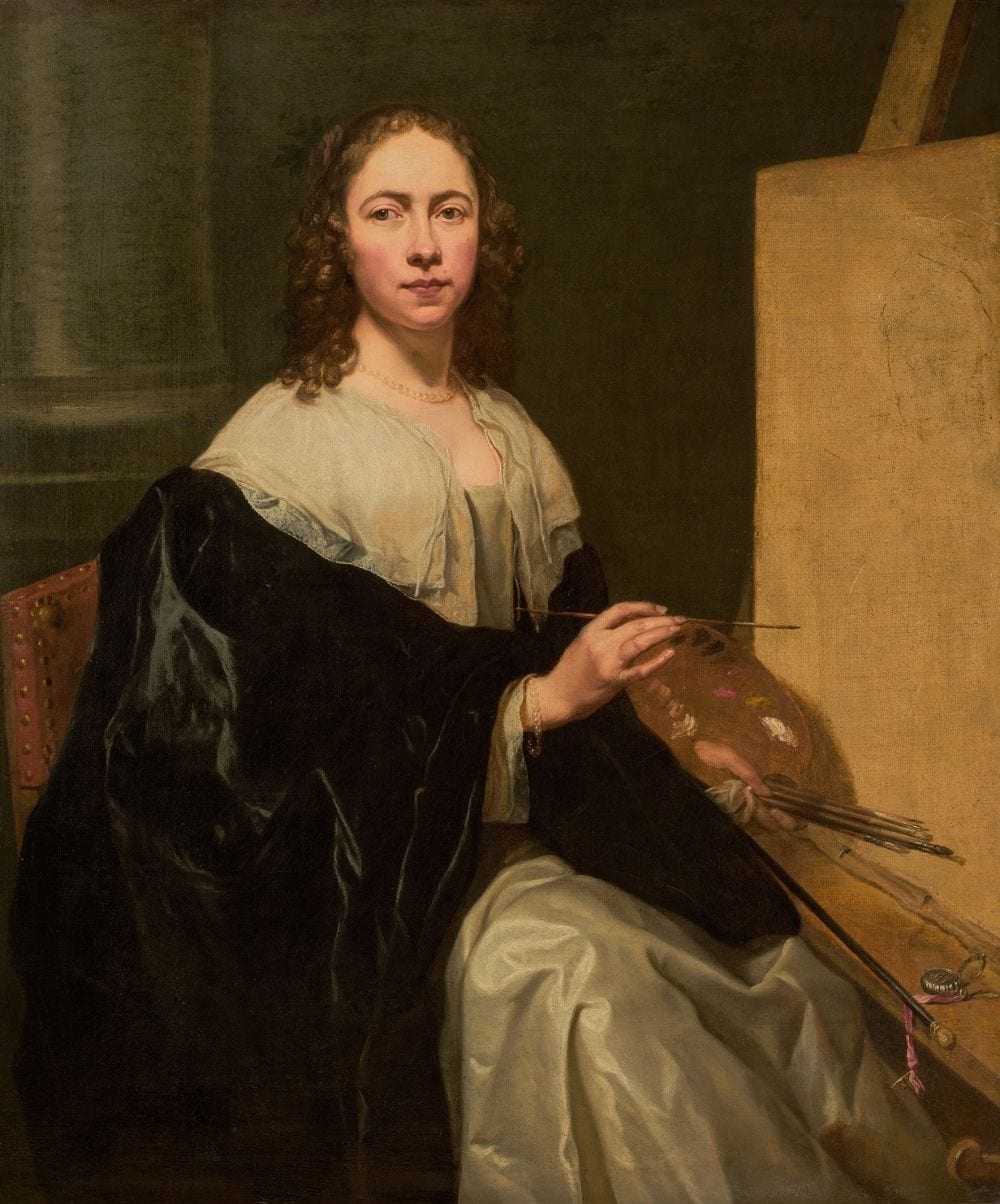
Michaelina Wautier
c. 1650
Oil on canvas, 120 × 102 cm
Private collection
Photo © Museum of Fine Arts, Boston
A Painter Ahead of Her Time
Michaelina Wautier was anything but ordinary. Working in 17th-century Brussels, she broke every expectation placed on women artists of her era. Her body of work ranges from historical scenes and portraits to altarpieces and allegories—many infused with psychological depth, quiet humor, and bold innovation.
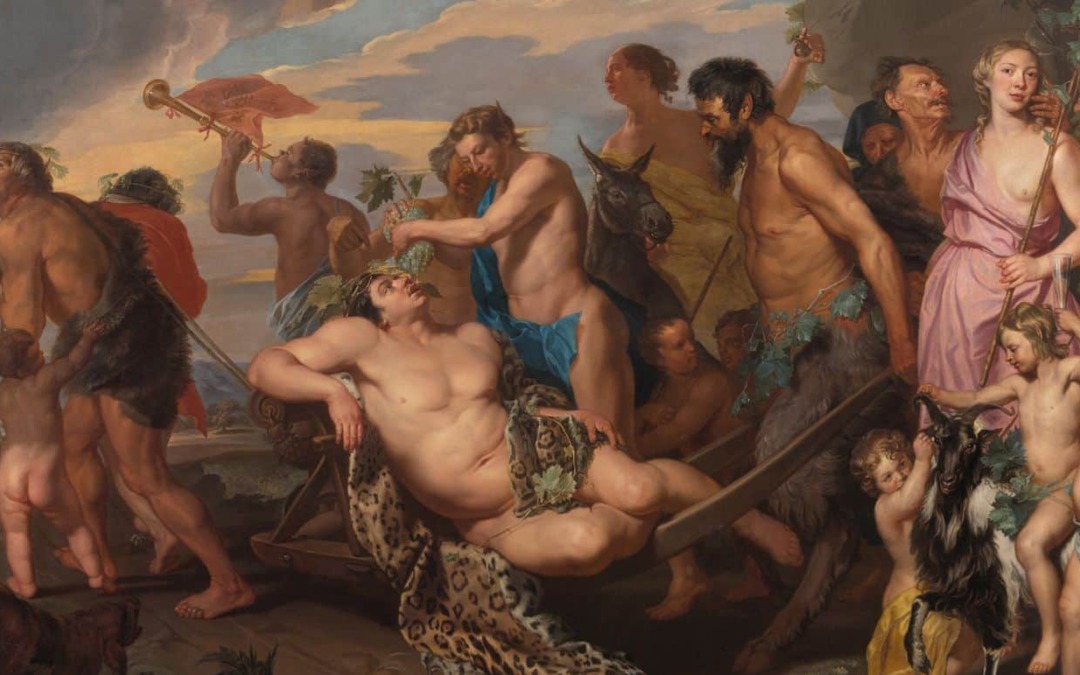
One striking example is her monumental canvas The Triumph of Bacchus, which was wrongly attributed to Rubens’ circle or even Luca Giordano well into the 20th century—simply because its dynamic composition and abundance of nude male figures seemed “too powerful” to have been painted by a woman. Today, this masterpiece is one of the highlights of the museum’s collection and a symbol of Wautier’s reclaimed legacy.
A Landmark Exhibition
This is the most complete presentation of Wautier’s work to date. Visitors will experience 29 paintings, a signed drawing, and a rare print based on a now-lost painting. The exhibit also reunites her famed series The Five Senses, shown together in Europe for the first time.
In total, around 80 works and objects—some on loan from private collections across Europe and the U.S.—will offer a rich, multifaceted look at her artistry. Beyond showcasing her technical brilliance, the exhibition places Wautier in direct dialogue with the likes of Rubens, Van Dyck, and classical antiquity, reframing how we understand the art world of her time.
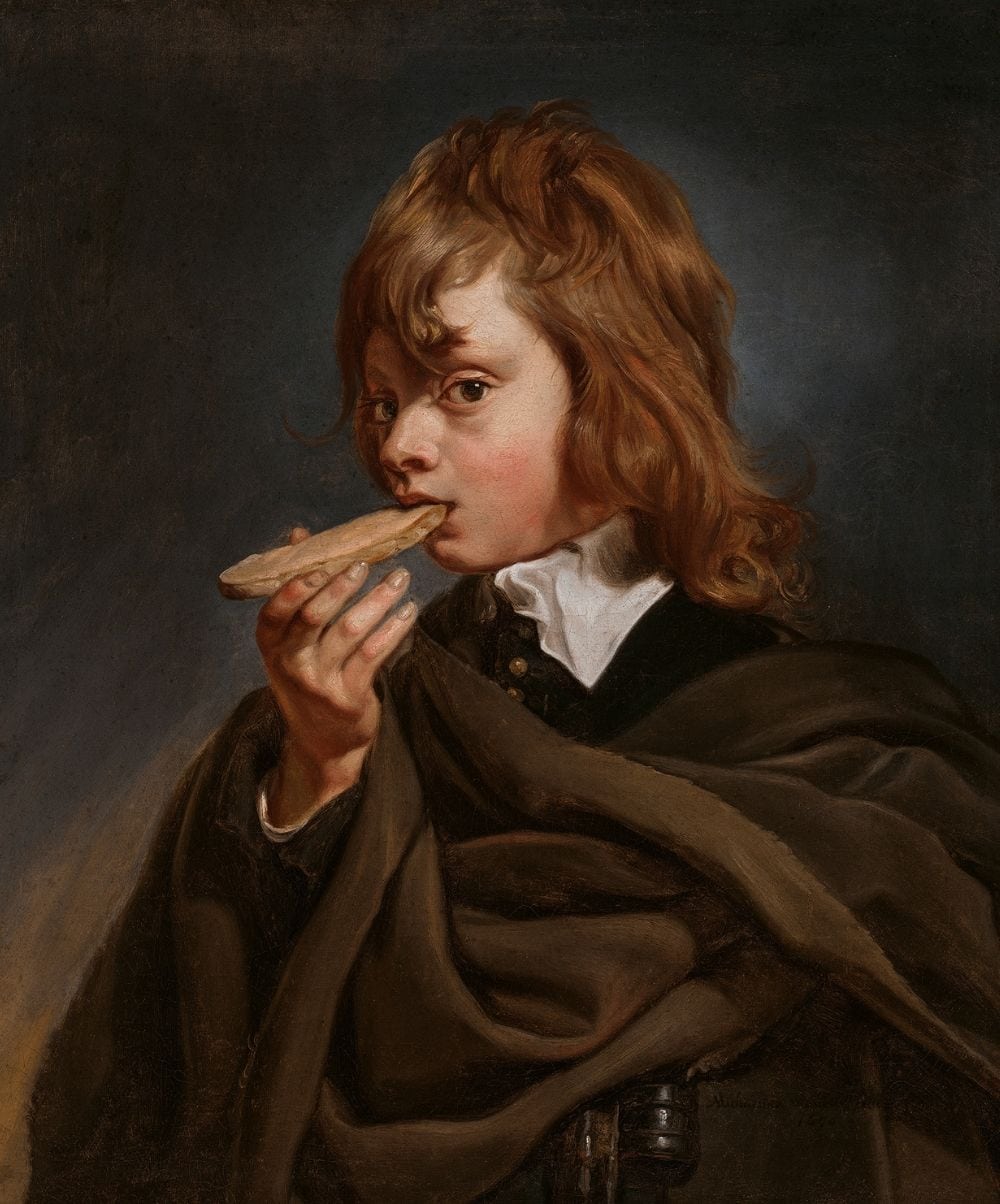
The Five Senses (The Sense of Taste)
Michaelina Wautier
1650
Oil on canvas, 69.5 × 61 cm
Rose-Marie and Eijk Van Otterloo Collection, Boston
Photo © 2025 Museum of Fine Arts, Boston
Art as a Journey of Discovery
Little is known about Wautier’s personal life. We don’t have her letters, diaries, or even clear records of her training. What we do have are her paintings—works that speak volumes about a visionary woman who often signed her pieces with the Latin phrase “invenit et fecit” (“invented and made by her”). It’s a quiet yet powerful statement of authorship from a woman whose voice, though once silenced, is now impossible to ignore.
As curator Gerlinde Gruber puts it: “We may not have documents or letters, but her artworks are enough to bring one of the strongest artists of her time back into the light.”
Michaelina Wautier: Rediscovered
Kunsthistorisches Museum, Vienna September 30, 2025 – February 22, 2026
Royal Academy of Arts, London March 27 – June 21, 2026
Tickets are now available at the museum and online. Don’t miss this rare opportunity to witness the return of a truly remarkable artist.