JOMO TARIKU: WHERE AFRICAN ROOTS SHAPE MODERN DESIGN

JOMO TARIKU: WHERE AFRICAN ROOTS SHAPE MODERN DESIGN

Jomo Tariku

In the world of contemporary furniture design, few voices resonate as powerfully as that of Jomo Tariku a creator whose work bridges continents, cultures, and centuries of tradition. Born in Kenya, raised in Ethiopia, and educated in the United States, his multicultural background is more than a footnote, it is the foundation of a design philosophy that honors African heritage while pushing the boundaries of modern form. Known for iconic pieces like the Nyala Chair and the Masaai Shield Totem Chair, his work seamlessly blends historical symbolism with minimalist sophistication, bringing underrepresented narratives to the forefront of global design. In this conversation, we explore the roots of his creativity, the challenges of being a cultural ambassador through craft, and what it means to design with intention, identity, and legacy in mind.

Can you tell us a bit about your background and what first drew you to the world of furniture design?

Growing up in Ethiopia and later moving to the United States, how did your multicultural experience influence your design aesthetic?

I was born in Kenya and grew up in Ethiopia. My father was a civil servant who was part of the diplomatic community in Nairobi and traveled a decent amount representing the Ethiopian government. During his career he always brought back souvenirs and artwork from wherever he traveled to, mostly in Africa. Within the diplomatic community they also exchanged unique and cultural gifts that represented their nation so our home was filled with diverse artifacts. These objects were things I would sketch out of boredom during summer breaks - never thinking my future career would be adjacent to the things I was drawing. Furniture.

Once I moved to the US to go to college I discovered Industrial Design where your final year is dedicated to researching and solving a design problem. Using this as a basis I tried to come up with a contemporary design language that would help me design new furniture pieces that still represent my culture but are modern.

Your pieces are celebrated for their strong connection to African heritage. How do you approach integrating traditional African motifs into contemporary furniture design?

What does your creative process look like from inspiration to final product?

It involves mostly doing a deep dive into various books related to Africa and not necessarily on furniture only. I have a collection of books that cover patterns, architecture, metalsmithing to combs, hair weave and afro design. From this research I take design ques and sketch them just to document them then I revisit these ideas that picked my mind to see if I can come up with new designs.

How do you balance form and function in your pieces, especially those with deep cultural symbolism?

As an Industrial Designer who incorporates artistic flares into my work the goal is always finding ways to marry these two approaches. In a way I am a minimalist as I unpack a concept and take away elements from a design without making it lose its essence and its connection back to Africa.

Your Nyala Chair and other iconic designs have gained international recognition. Which of your works are you most proud of, and why?

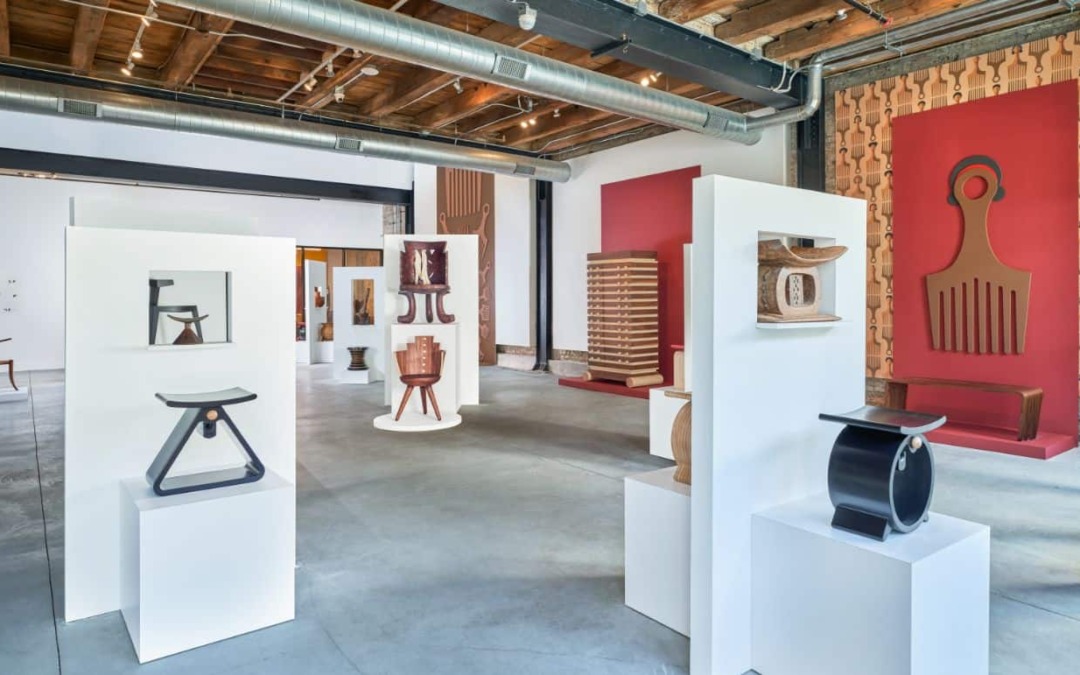
Definitely the Nyala Chair is up there for me but I do love all the chairs I have created as I come up with so many ideas but only few make it to the prototype stage and then production - either in limited series for collectors or limited quantity. This also includes my experimental/conceptual ones like the Masaai Shield Totem Chair.

Are there particular artists, architects, or cultural figures that have deeply inspired your journey?

I always give credit to the artisans coming from the different regions I study as part of my design research. The unfortunate part is it is hard to find a specific maker’s name to credit, unlike the Western culture of signing one's work or naming a specific shop. Most artisans create their work in anonymity as their works are made for utilitarian purposes.

What challenges have you faced as a designer bringing African design to a global audience?

Accepted and celebrated modern furniture design and designers are rarely from the Global South (excluding Brazil and Australia) so getting attention to works like mine into the global design canon has been a challenge until recently. I think perceptions are changing but not at the pace I would like to see it. My own journey took 25 years and when I did my thesis on this back in 1992/93 I never thought it would be this difficult.
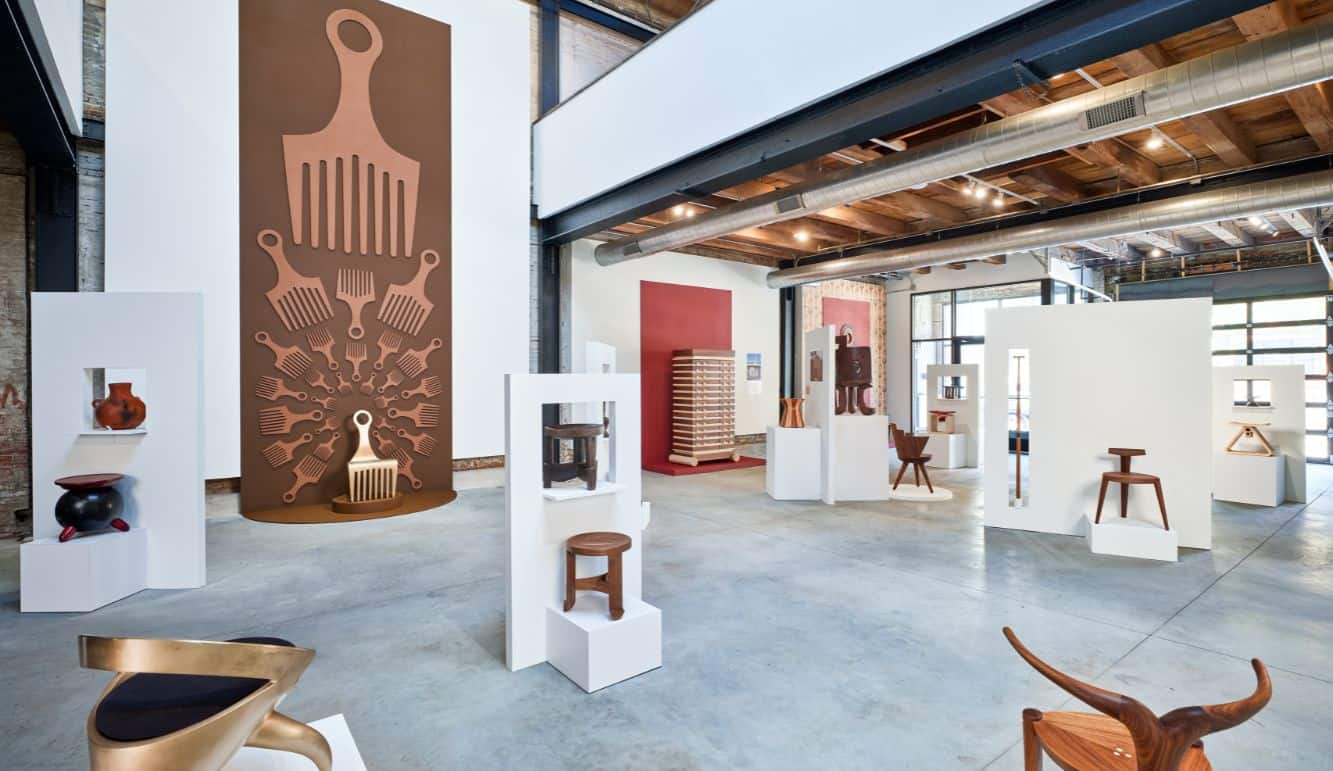
Courtsey of Wexler Gallery

What’s a day in your studio like?

Starts with checking and responding to emails, paying bills, going through a work list and either dedicating time for sketching or shop time or both sometimes. I do travel for panel discussions and to lecture at design schools/programs. I also teach short courses sometimes as well so I don’t have a set M-F schedule.

When you're not designing, how do you relax or recharge creatively?

Turn on a podcast and nap.

Are there any upcoming projects or collaborations you're excited about and can share with us?

12 of my Nyala Chairs are being used in an art lodge in Arusha Tanzania, have designed a new chair for an American manufacturer that will be coming out in 2027 and have a museum show that will hopefully happen at the end of this summer.

What do you hope people feel or think when they interact with your work?

I hope they get a fresh look at furniture design that they are not accustomed to as most designs in the market are very close reproductions of preexisting works. My designs also have a story to tell for the curious ones as each design has a unique name celebrating its association with what inspired it.

For more information, please visit: Jomo Tariku
 

Featured image credits: Courtsey of Wexler Gallery

UNDERWATER PHOTOGRAPHER ZENA HOLLOWAY INTERVIEW

UNDERWATER PHOTOGRAPHER ZENA HOLLOWAY INTERVIEW

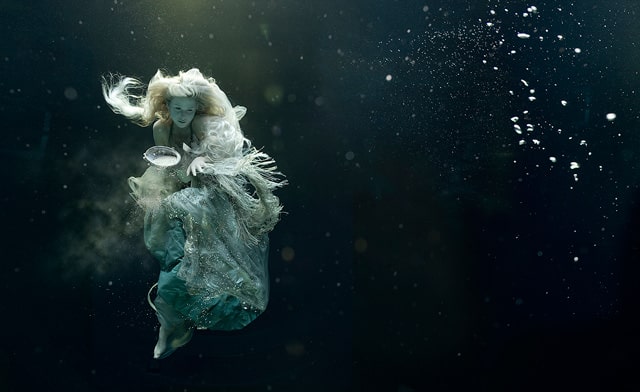
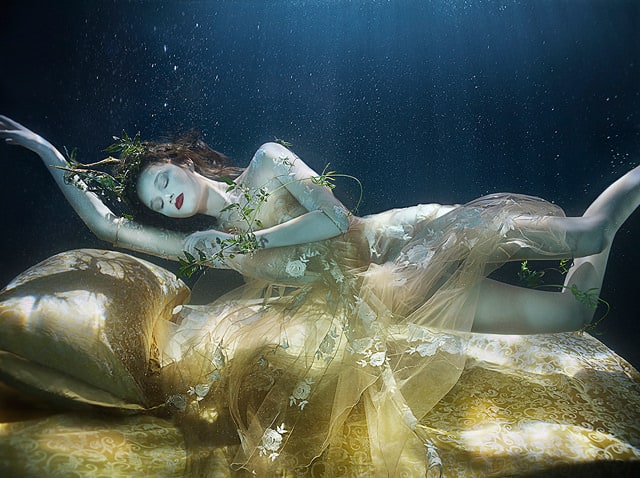
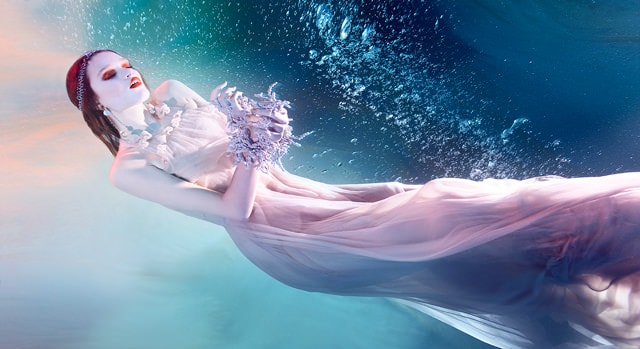
Photographer Zena Holloway excels as the modern Jacques Cousteau

If mermaids exist then I can assure you I have met the real deal! She comes in the form of a photographer, her first skin a rather curvaceous, revealing wetsuit that puts Ursula Andress on hold! She takes her talents to new "depths"

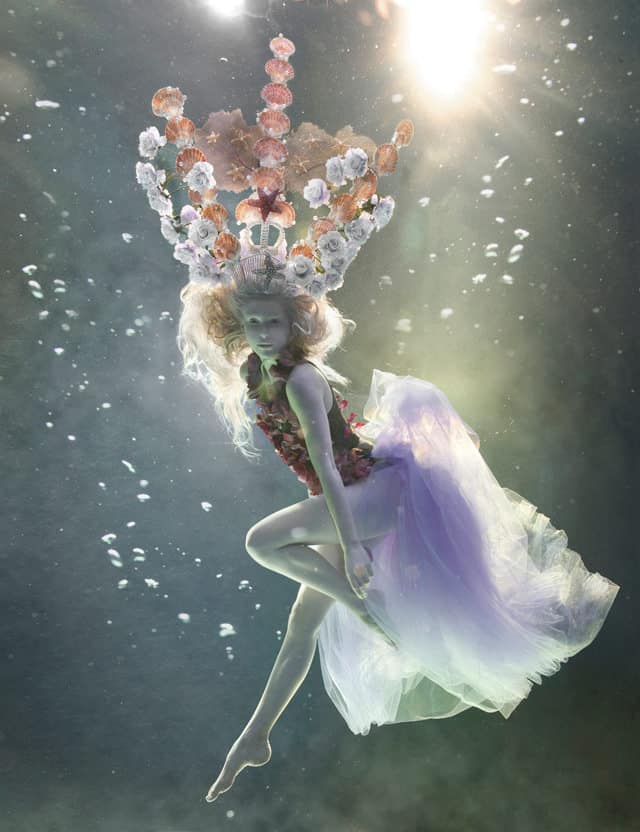
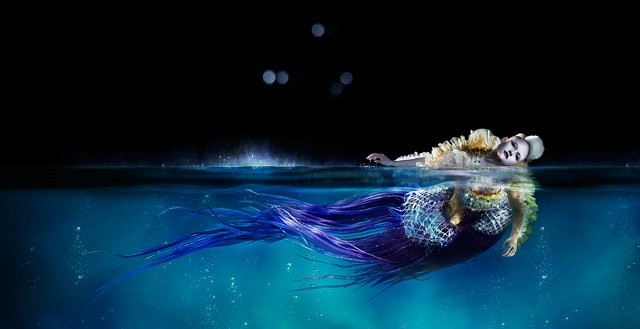
I had the initial pleasure of working with her on a multi million pound set at Pinewood studios. We captured an image of my "Princess Neptune " underwater headpiece that later got a repeat performance on Britain's Next Top Model.

I managed to capture her in between her busy schedule on land...well poolside actually. I have to say that I have never, in all the years I have known her, actually seen her in clothes; just that tight, revealing wetsuit!!! Gentleman, cool down, while I present to you the enigmatic Zena.

To date, what is your most exotic photographic location?

I could say one of the many Caribbean Islands but that’s rather cliché so I’m going to suggest a weird and wonderful location in the River Plate, Uruguay. Filming for National Geographic TV I found myself on a Spanish Galleon sunk in the 18th century and littered with gold and silver treasure of all kinds. Skeletons galore, still preserved in their military uniforms with shoe leather and copper buttons in place it was honestly the stuff of movie sets. I sucked my tank dry before reluctantly having to surface after a 1:40 hour dive. Its protected by the rough water of the river and plenty of Uruguayan politics so its location was a secret and I only had the opportunity to make one dive to capture imagery and tell its story.

What scuba certificate do you hold?

Lots! A commercial ticket, Instructor licence, rebreather cert, mixed gas…. but I try to shoot as much as possible on breath hold. I find that breathing apparatus tends to slow the shoot down both in terms of fussing with kit but also the speed of getting around in the water.

What was our first water experience?

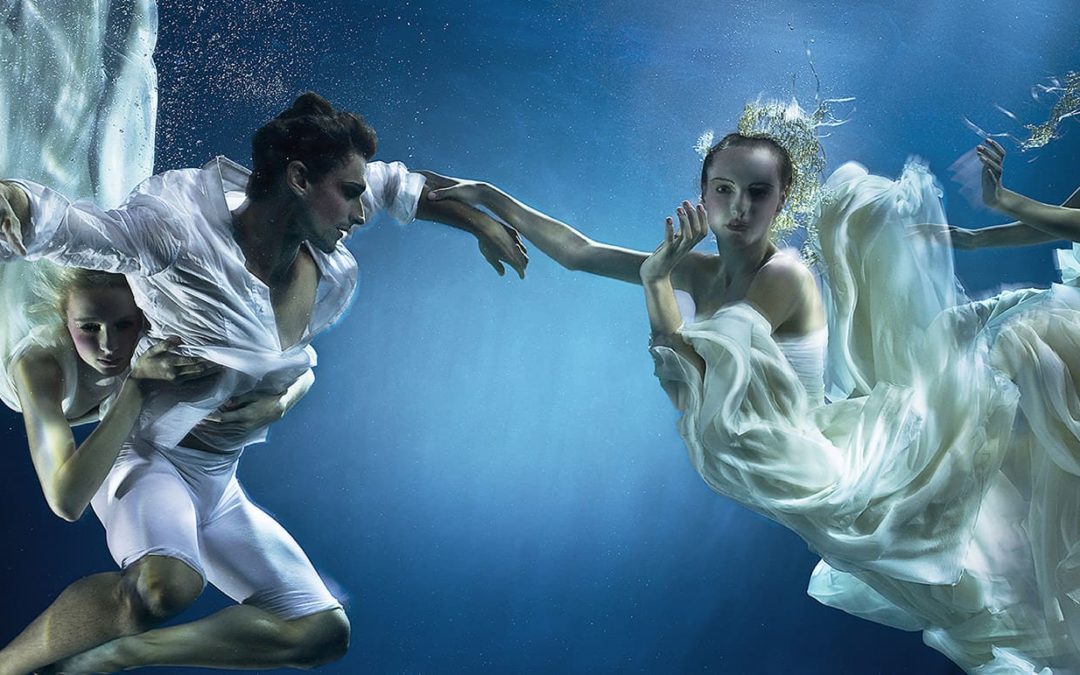
OMG you made this totally incredible headpiece custom designed for my Waterbabies project. The “Princess Neptune” design was totally extraordinary and perfect for the shoot. Styled by Heidi Taylor, the dress was by Basia Zarzycka and then crowned with your masterpiece it was an outfit to die for; the lovely Lucy Radcliffe did a sterling job of modelling. We loaded her up with all of that finery and she looked stunning. Reviewing the pictures afterwards the way the pose and styling worked together she resembled a male peacock with a fan of tail feathers splayed out in an enchanting and elaborate exotic dance.

What is your specialised underwater camera equipment?

My weapon of choice is usually the Canon mkII 1DS but I also have a Canon 1DC which I occasionally get to play with. All of the flash are Ikelite purely because I can throw them around and they still tend to work. There’s also a very large pile of terry towels which are essential to the kit list.

Do you have an environmental charity of choice?

Good question. As a family we bicycle everywhere, recycle as much as humanly possible and try to only buy products made in environmentally responsible ways. I’ve even persuaded the kids to enjoy the odd meat substitute meal much to my husband’s disgust! I believe we need to put climate change right at the top of the political agenda – its by far the biggest threat to much of the natural world and ultimately humanity. 350.org has my vote. They’re building a global climate movement, connecting people via email, putting pressure on governments to uphold their climate targets and accelerate the transition away from fossil fuels towards renewable energy.

What has been your most fascinating experience/ logistically challenging project?

The most logistically challenging was a shoot I did with a group of ‘mermaids’ off the coast of Grand Turk. The mermaids were very talented and were a pleasure to work with but we were plagued with bad weather which made it extremely hard to anchor them to the bottom and buddy breathe. By contrast the most fascinating experience was working with swimming horses that were unbelievably quick and from underwater they kind of dance as their hooves kick out. However sometimes it’s the small things that occur such as having your teeth cleaned by a cleaner fish on a reef. Here’s a youtube video of it happening to someone else. . Mad eh?

What is your favourite marine creature?

Its got to be the octopus. Aged 18, I was diving in the Mediterranean on my first night dive and I found a baby octopus. They like the feel of the water moving over their bodies so he was happy to sit on my hand and while I explored the reef his curious tentacles explored my face. He clung to me for a good 20 minutes and since then I’ve been hooked on these enchanting creatures. At the end of the dive I left him next to a larger octopus thinking that they would be companions however the larger octopus slowly reached out, placed a tentacle on the smaller octopus and suddenly the little one was gone, swallowed whole! Completely horrified at what had just occurred (and feeling slightly responsible) I gave chase and much to my relief the little octopus was exhumed. I learned afterwards that octopi are cannibals, which I concede is a bit macabre, however for me they are certainly the most extraordinary and wondrous creatures in the ocean.

To find out more about this extraordinary amphibiotic talent, please visit: Zena Holloway


Louis Mariette

WAUTIER AT THE KUNSTHISTORISCHES MUSEUM IN VIENNA

WAUTIER AT THE KUNSTHISTORISCHES MUSEUM IN VIENNA

Michaelina Wautier

Michaelina Wautier was a remarkably talented 17th-century painter from the Southern Netherlands, whose work defied the expectations placed on women artists of her time. Born in 1604, she developed a bold and versatile style, painting everything from intimate portraits to large-scale historical and religious scenes—genres typically dominated by male artists. For centuries, her name was largely forgotten, her works misattributed to men. But today, Wautier is finally being recognized for the skill, depth, and humanity she brought to the canvas. Her art tells not just the stories of her subjects, but also the quiet resilience of a woman who painted fearlessly in a world that didn’t always see her.

Rediscovering a Forgotten Master: Michaelina Wautier at the Kunsthistorisches Museum Vienna

This fall, the Kunsthistorisches Museum Vienna invites us to step into the world of one of the most fascinating and long-overlooked figures in art history: Flemish Baroque painter Michaelina Wautier (1614/18–1689). From September 30, 2025, to February 22, 2026, the museum will host the most extensive exhibition ever dedicated to her work—marking a major moment in the ongoing re-evaluation of women’s contributions to European art.
Once forgotten, now celebrated, Wautier's art is finally getting the spotlight it deserves. Many of her paintings, long misattributed to male artists or hidden in private collections, will be publicly displayed for the very first time. The exhibition is being organized in collaboration with the Royal Academy of Arts in London, where it will travel in spring 2026.

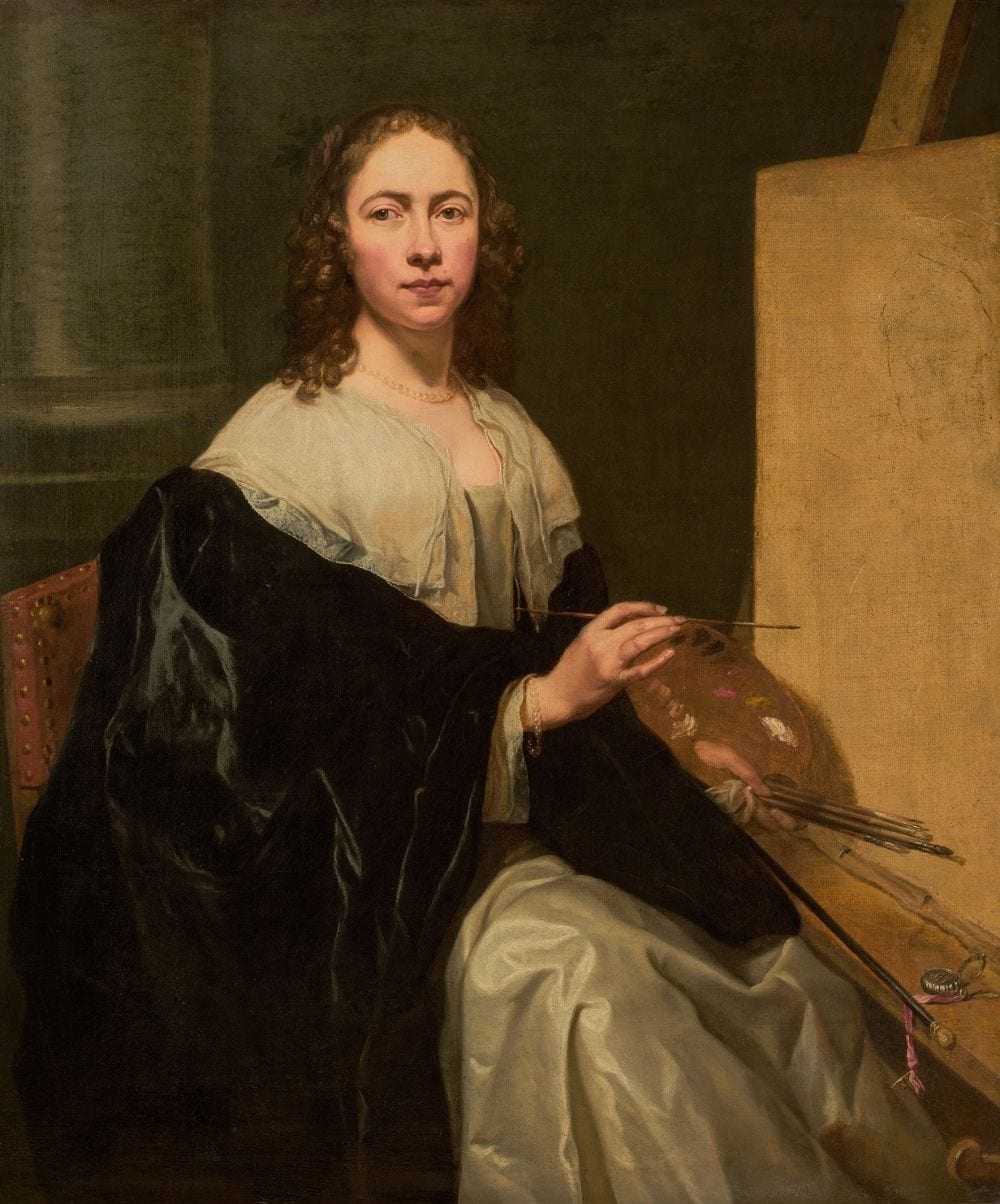
Self-portrait Michaelina Wautier

Michaelina Wautier
c. 1650
Oil on canvas, 120 × 102 cm
Private collection
Photo © Museum of Fine Arts, Boston 

A Painter Ahead of Her Time

Michaelina Wautier was anything but ordinary. Working in 17th-century Brussels, she broke every expectation placed on women artists of her era. Her body of work ranges from historical scenes and portraits to altarpieces and allegories—many infused with psychological depth, quiet humor, and bold innovation.
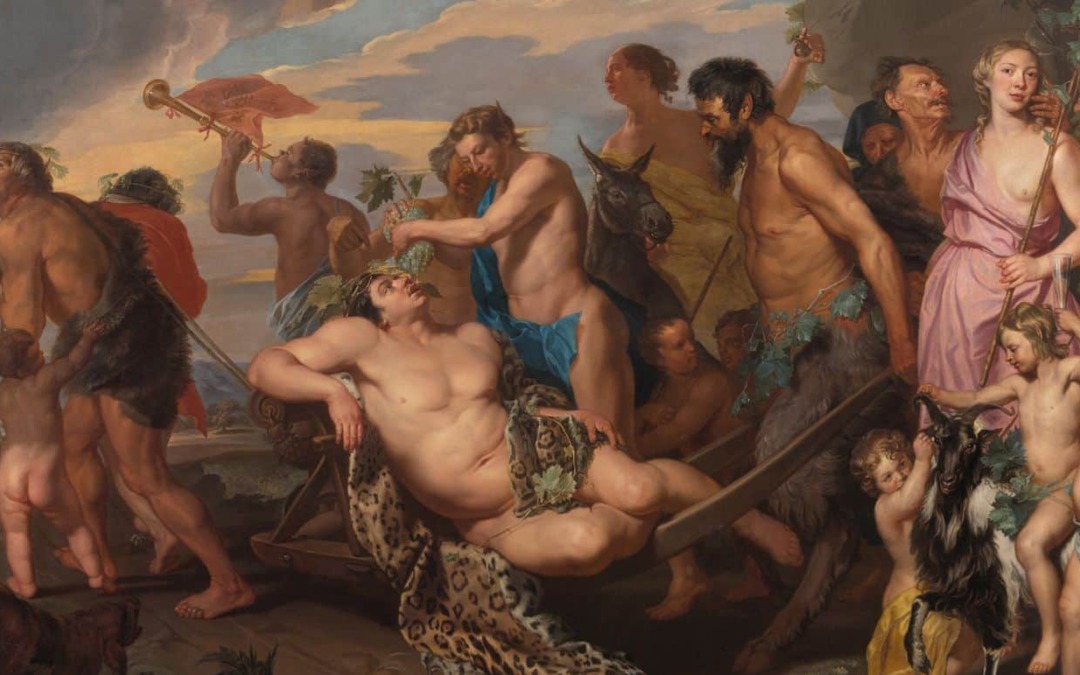
One striking example is her monumental canvas The Triumph of Bacchus, which was wrongly attributed to Rubens’ circle or even Luca Giordano well into the 20th century—simply because its dynamic composition and abundance of nude male figures seemed “too powerful” to have been painted by a woman. Today, this masterpiece is one of the highlights of the museum’s collection and a symbol of Wautier’s reclaimed legacy.

A Landmark Exhibition

This is the most complete presentation of Wautier’s work to date. Visitors will experience 29 paintings, a signed drawing, and a rare print based on a now-lost painting. The exhibit also reunites her famed series The Five Senses, shown together in Europe for the first time.
In total, around 80 works and objects—some on loan from private collections across Europe and the U.S.—will offer a rich, multifaceted look at her artistry. Beyond showcasing her technical brilliance, the exhibition places Wautier in direct dialogue with the likes of Rubens, Van Dyck, and classical antiquity, reframing how we understand the art world of her time.

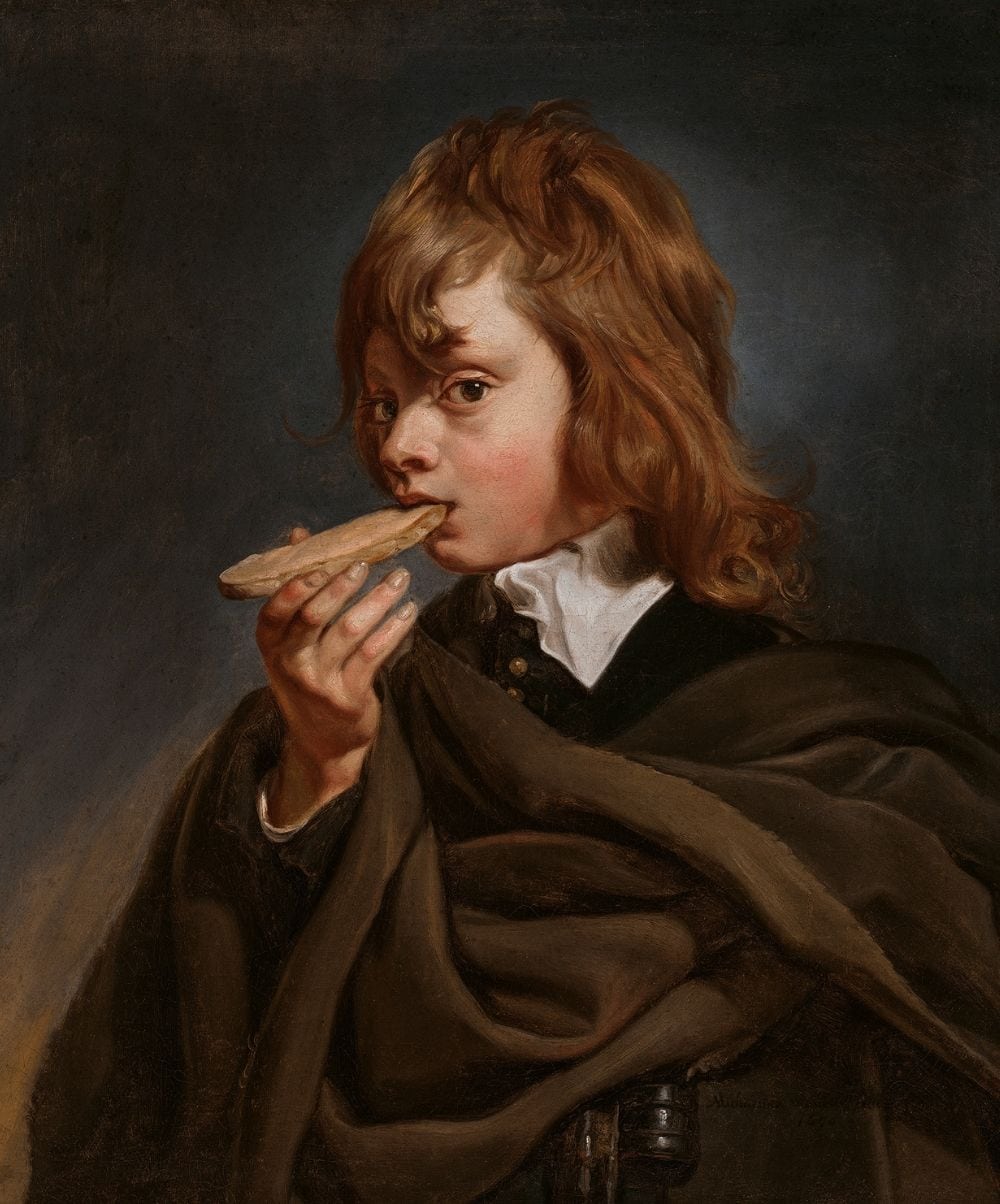
The Five Senses (The Sense of Taste) Michaelina Wautier

The Five Senses (The Sense of Taste)
Michaelina Wautier
1650
Oil on canvas, 69.5 × 61 cm
Rose-Marie and Eijk Van Otterloo Collection, Boston
Photo © 2025 Museum of Fine Arts, Boston

Art as a Journey of Discovery

Little is known about Wautier’s personal life. We don’t have her letters, diaries, or even clear records of her training. What we do have are her paintings—works that speak volumes about a visionary woman who often signed her pieces with the Latin phrase “invenit et fecit” (“invented and made by her”). It’s a quiet yet powerful statement of authorship from a woman whose voice, though once silenced, is now impossible to ignore.
As curator Gerlinde Gruber puts it: “We may not have documents or letters, but her artworks are enough to bring one of the strongest artists of her time back into the light.”

Michaelina Wautier: Rediscovered

Kunsthistorisches Museum, Vienna 
September 30, 2025 – February 22, 2026

Royal Academy of Arts, London 
March 27 – June 21, 2026

Tickets are now available at the museum and online. Don’t miss this rare opportunity to witness the return of a truly remarkable artist.

VIENNA TRAVEL GUIDE 2026

VIENNA TRAVEL GUIDE 2026

Vienna Travel Guide

Vienna (Wien in German) is an unbelievable city with so much to offer. Not to mention that Vienna is the most liveable city in the world. Vienna has ranked for the last ten years in the first place as the city with the best quality of life in the world. If you have never been to Vienna you should put this city on your bucket list. Therefore, I have prepared for you the perfect Vienna Travel guide for you to plan your trip and decide what you want to visit first, and of course, the best places to eat and stay.

What is inside this Vienna Travel Guide 

  • Facts about Austria
  • When should I visit
  • How to arrive in Vienna
  • Best places to see in Vienna
  • Best restaurants and coffees
  • Hotels on a budget
  • Luxury hotels
  • Resources

Facts about Austria

Austria is a small country in central Europe, bordered by Hungary, Slovakia, Czech Republic, Germany, Switzerland, Italy, and Slovenia. The official language is German and Vienna is the capital of Austria.

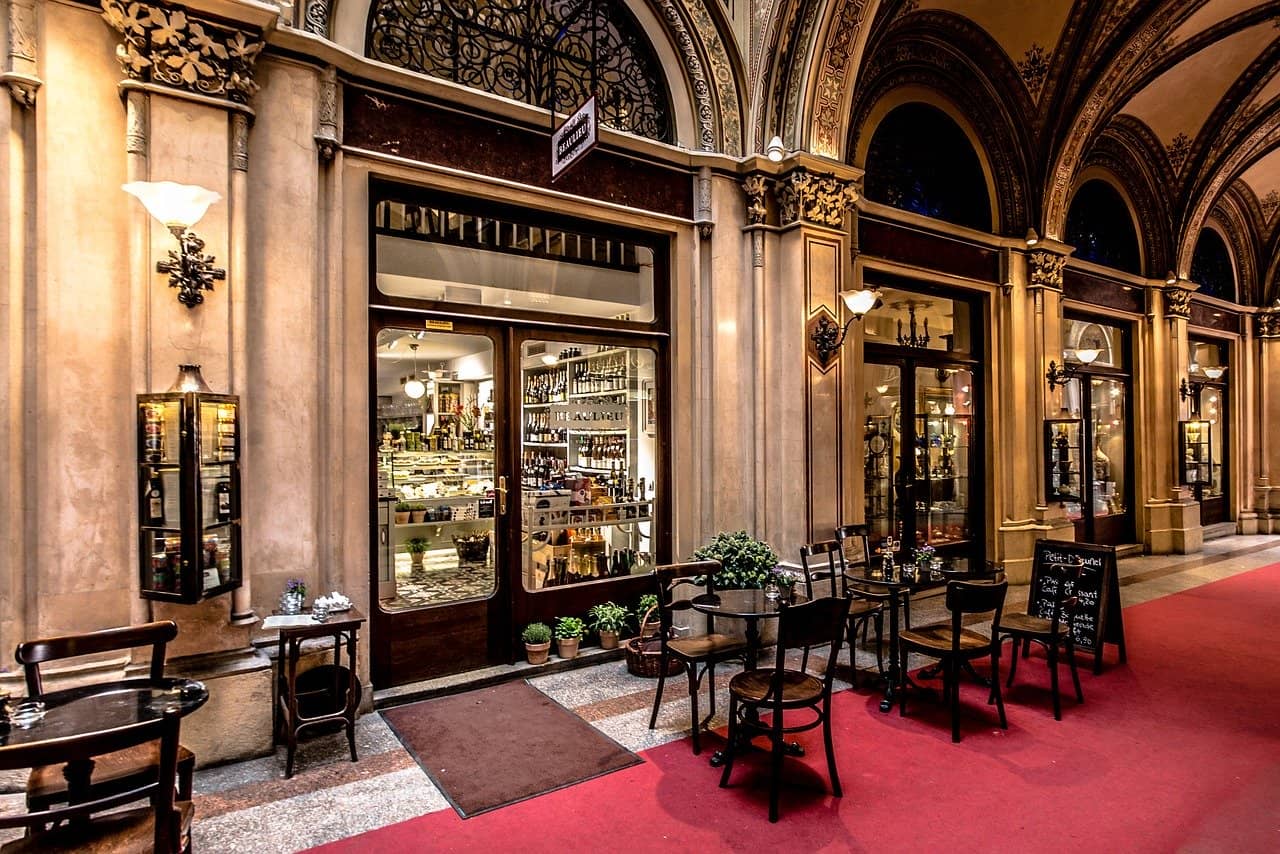
Austria has an interesting Coffee culture. After the Turks left Vienna in 1683, they left a large number of coffee beans, introducing the great tradition of the Viennese Coffee House (Kaffeehaus). 

The bodies of the Habsburgs Emperors, who ruled from 1278- 1918, were divided in 3 and buried in 3 different locations, the intestines in St Stephans Cathedral, the actual bodies in the Imperial Vault at the Kapuzinerkirche (Capuchin Church), and the hearts in the Augustinerkirche (Church of the Augustinians).

When should I visit Vienna?

Weather is one of the most decisive factors before you plan to go to Vienna. If you are travel on a budget the times are in January which is the coldest time in Austria, March or April. Winter can be very rough for someone who is not used to cold temperatures. Therefore, it is better to plan your trip between June and August. You can enjoy each season, whereas is winter where you can find the Christmas markets or March where you will find the eastern markets. In summer Vienna has the Film festival in Rathaus and in September is the best time to discover the Wine culture in Austria.

How to arrive in Vienna?

Vienna’s airport is very close to the city, and you can reach the city center in 15 min with the CAT train or 30 with a taxi. Either way, you will have many options to reach your final destination after you arrive. 

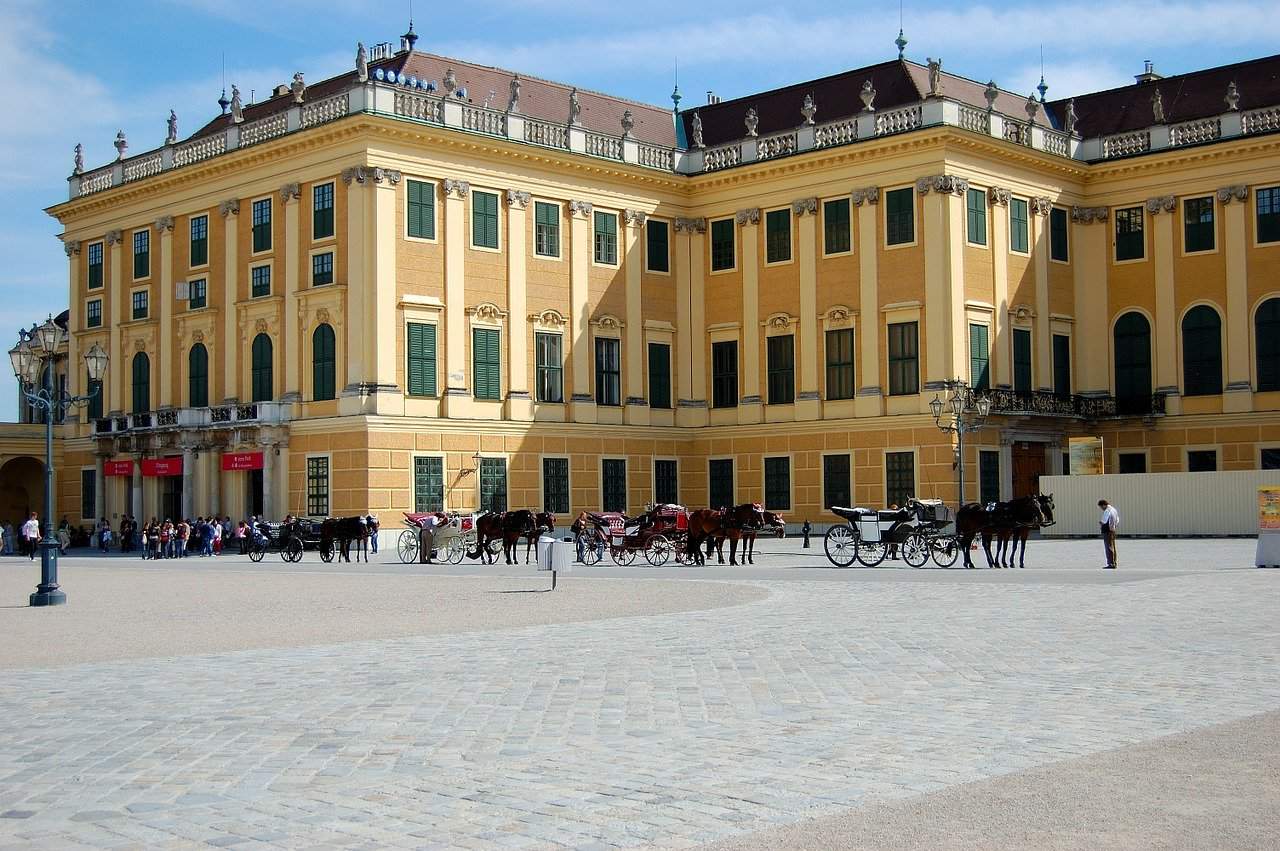
The most cultural place is within walking distance, or you can always jump to the subway to reach the Schönbrunn Palace and Schönbrunn Zoo or you can quickly take the tram. 

In this Vienna Travel Guide, you will find detail information about public transportation, and the types of tickets you can get, to make your travel easier.

Best places to see in Vienna

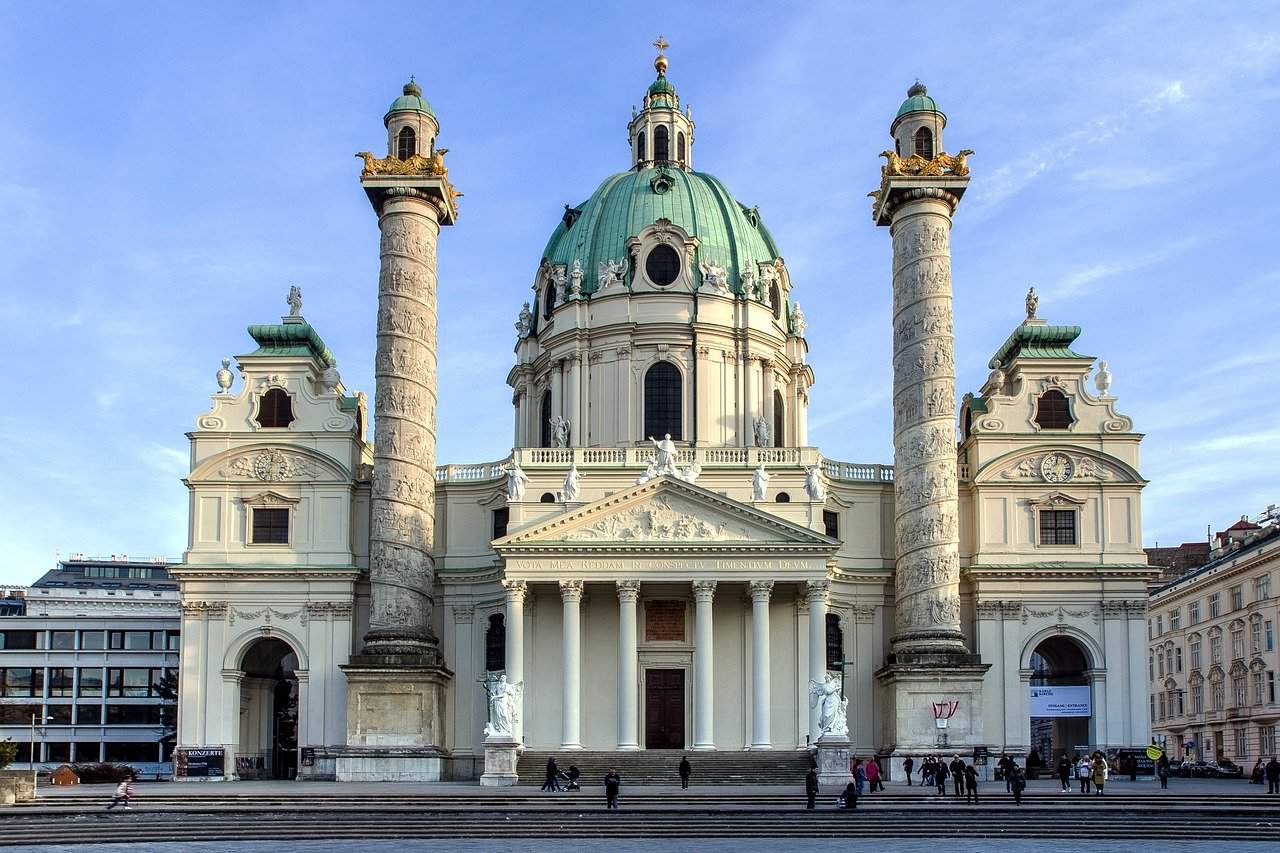
Vienna has a lot of offers because it has a rich culture. There are a lot of museums to see, a lot of concerts to attend and a lot of festivals. With such a rich culture and high quality, Vienna is the best place to visit and travel in time to discover the Habsburg Monarchy. 


  1. Imperial Treasury museum: here you will find all the imperial crown collection as well, as the holy grail and the holy lance.
  2. Austrian National Library: you will find a papyrus collection together with more than 12 million items.
  3. Sissi Museum: here you will experience her life, from the coronation till the end of her life.
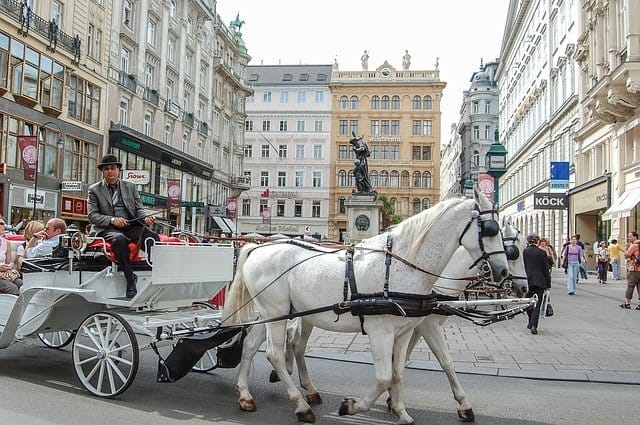
  4. Spanish Riding School: this is the Austrian institution to the training of the Lipizzaner horses. In the guide, you will find detail information about the events and the show they organize.
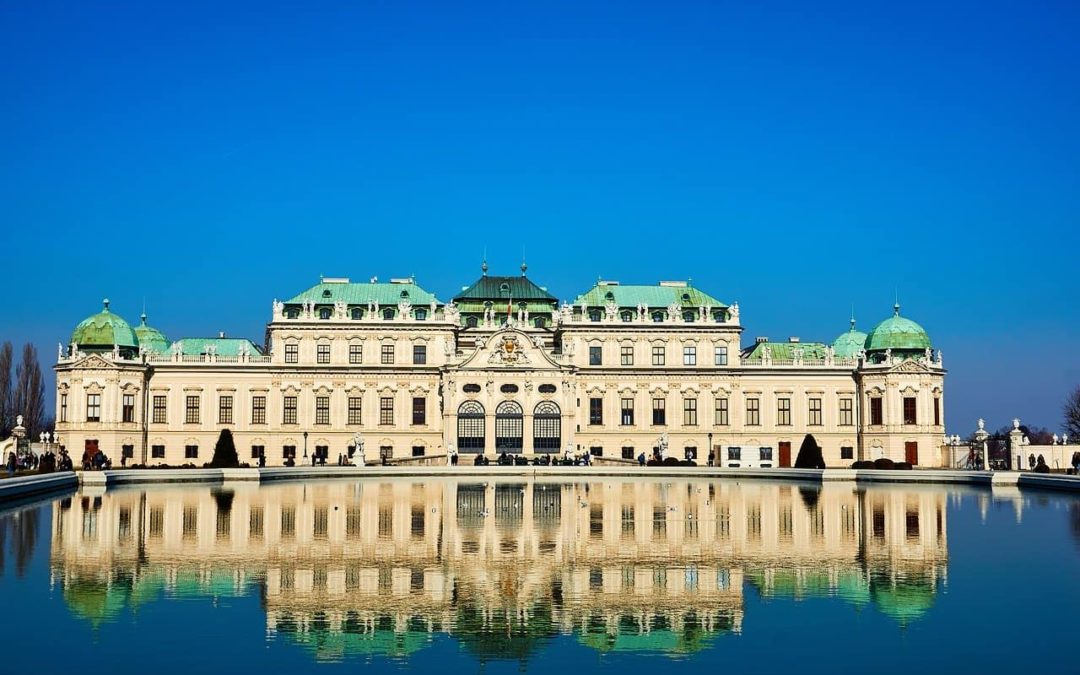
  5. Belvedere and the three major expositions and a permanent collection of Gustav Klimt, Oskar Kokoschka, Egon Schiele, between others.
  6. Schönbrunn Palace: which was the formal residence of the Habsburgs, and all the different types of tours they offer.
  7. Schönbrunn Zoo: is you would like to see the oldest Zoo in the world
  8. Albertina Museum: with the most important and largest print room in the world.
  9. Leopold Museum: with more than 6000 artworks
  10. Museum of Art History: But if you want to see the primary art collection of the Habsburgs or a Greek as well as an Egyptian collection the Museum of Art History is for you. Extra Tip: take at least half of a day to see this museum.


The idea behind this Vienna Travel guide is that you discover what you can find in each museum. If you are planning to visit 1 day to a week, this guide will help you to get the best of Vienna. Information about the current expositions in each museum, opening times and prices will help you plan your trip ahead.

Best restaurants and coffees

Vienna is well known for its comfort food and its Coffee culture. For starters, you should try the famous Schnitzel, and in this Vienna guide, you will find the best restaurant where you can find the best Schnitzel. Another typical dish of Austria is the Tafelspitz, which is boiled beef served with potatoes, spinach, and incredible sauces. Tafelspitz is the Austrian National Dish and it was the favorite dish of the emperor of Franz Joseph I. 

Austria Coffee culture, for example,  started back in 1638, as Polish-Habsburgs allies forced Turkish invader to flee the town, they left behind sacks with coffee beans. Then the Polish King Jan III Sobieski passed the beans off to an officer by the name of Jerzy Franciszek Kulczycki. Kulczycki started to experiment, by adding milk and sugar and develop the country’s premier drink. Shortly after Kulczycki opened the first Vienna’s Coffee House.

UNESCO recently named the Vienna coffee house on their list of the ‘National Agency for the Intangible Cultural Heritage’

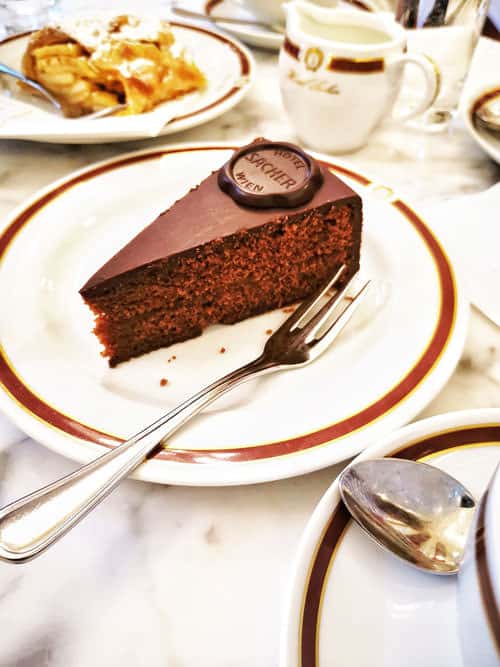
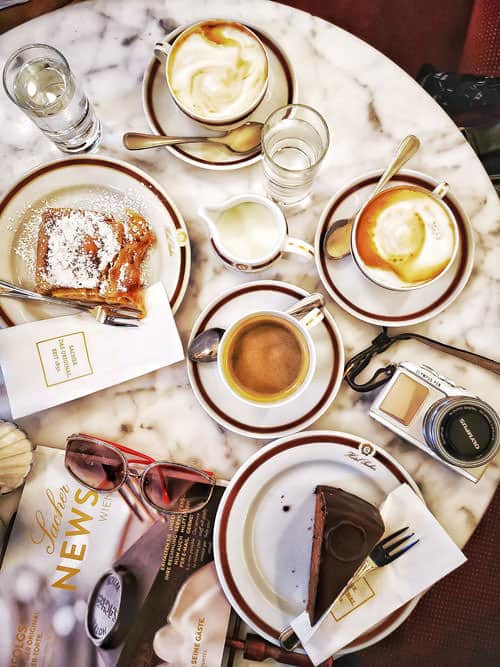
What you should try? Sacher Cake which was created in 1832 at the Hotel Sacher, the apple strudel, Topfen strudel and Esthehazy cake at Demel's Coffee.

Hotels on a budget

Vienna has a lot of hotels if you are on a budget, they are very well located and have a great price. Hotels like the Austrian Trend hotel that cost 80 euros proximately per night, the Post Hotel in the city center for 100 euros per night or the Holiday Inn which is 800-meter way from Naschmarkt and 2,8 km away from the Spanish Riding School.


Luxury hotels

The Vienna greatest hotels like Hotel Ritz Carlton which is 1 km away from the Spanish Riding School for 280 euro approximately per night, The Park Hyatt 700 meters away from the Opera House for around 416 euro per night and of course Hotel Sacher which is behind the Opera House for around 862 euro per night.

Either way is you are on a budget or not, all the Hotels in Vienna offer Breakfast, and every hotel in Vienna has WIFI not to mention, every hotel has air condition, which is very important in the summertime.


Where can I book my Flight and Hotel for my Vienna Travel?

You can use Flights Search, on our page to search for the best flight deals to flight to Austria from all over the world. You can also select a specific airline on the filter and how many stops you want to do. 

We also have Hotels Search, where you can search the best hotels deals, and you can choose between 1 or 2 stars to 5 stars, not to mention that you can choose also property type, the distance from city center, districts and room facility. 

Download your Free Vienna Travel Guide!

THE ULTIMATE GUIDE TO BUILDING A SUMMER CAPSULE WARDROBE

THE ULTIMATE GUIDE TO BUILDING A SUMMER CAPSULE WARDROBE

Summer Capsule Wardrobe (2025 Edition)

Summer is the perfect time to simplify. From longer days to lighter meals, everything feels easier—and your wardrobe should too. If you're tired of overflowing closets and nothing to wear, it's time to try something smarter: a summer capsule wardrobe.
This guide will show you how to create a streamlined, stylish summer wardrobe that makes getting dressed a breeze—while saving you time, money, and mental energy.

What Is a Capsule Wardrobe?

A capsule wardrobe is a small, curated collection of clothing you love to wear. Each piece is chosen intentionally to mix and match with the others, creating dozens of outfit combinations with minimal effort.
Capsule wardrobes are built on quality over quantity. Instead of chasing fast fashion trends, the goal is to invest in timeless, well-fitting pieces that suit your lifestyle. Think: fewer decisions, more confidence, and a closet that finally makes sense.

Step One: Clean Out and Reassess

Before building your summer capsule, take a good look at your current wardrobe.

Start with a Closet Reset:

  • Store off-season items: Pack away winter coats, boots, and heavy knits.
  • Declutter ruthlessly: Pull everything out. Try things on. Ask: Does it still fit? Do I actually wear this?
  • Look for repeats and gaps: Do you have too many tops but no versatile bottoms? Do you own 10 dresses but wear only two?

The goal is to get clear on what you actually wear—and love—so you can fill in the blanks with intention.

Essential Pieces for a Summer Capsule Wardrobe

A strong summer capsule wardrobe usually includes between 20–30 items total, including tops, bottoms, dresses, outerwear, and shoes. Accessories and activewear are optional extras.

Here’s what to include in your core summer lineup:

1. Linen or Cotton Dress
Breathable, flattering, and easy to dress up or down. Choose a cut that suits your body type and a color that works with your palette—white, navy, olive, or beige are great neutral options.
2. Tailored Shorts
High-waisted or Bermuda-style shorts offer more structure and polish than denim cutoffs, making them ideal for both casual and dressier looks.
3. Relaxed Button-Down Shirt
A breezy cotton or linen shirt is endlessly versatile. Wear it over a tank, tied at the waist, tucked into shorts, or as a beach cover-up.
4. Lightweight Tanks and Tees
Stick to neutral colors like white, tan, black, and soft pastels. Look for breathable fabrics and flattering fits you can layer or wear solo.
5. Airy Skirt or Wide-Leg Pants
For days when shorts feel too casual, a midi skirt or flowy trousers offer a comfortable, elevated option.
6. Casual Jumpsuit or Romper
An all-in-one outfit that looks pulled together in seconds. Choose a neutral or soft pattern that you can wear multiple ways.
7. Layering Piece
Even summer has chilly moments—whether it's a breezy evening or over-air-conditioned space. A denim jacket, linen blazer, or cotton cardigan adds a layer without overheating.

Essential Summer Footwear

Your capsule wardrobe isn't complete without a few reliable shoes. These cover most summer occasions:

  • Leather sandals: Flat or heeled, they’re ideal for everyday wear.
  • White sneakers: Classic and comfortable for errands or casual outings.
  • Espadrilles or slip-on flats: Great for dressing up a look while staying comfortable.
  • Stick with neutral tones like tan, black, or white for maximum versatility.


Minimal Accessories That Go with Everything

Accessories should enhance your wardrobe without cluttering it. A few timeless staples go a long way:

  • A straw or canvas tote bag
  • Simple gold or silver jewelry (like hoops or a delicate necklace)
  • Oversized sunglasses
  • A neutral crossbody bag for hands-free days


How to Make It All Work Together

The magic of a capsule wardrobe is in how everything works with everything else. To get there, keep these core principles in mind:

Stick to a Cohesive Color Palette
Choose 3–5 base colors (like white, black, tan, navy, and olive) and 1–2 accent colors. This ensures all your pieces work together without needing constant planning.
Focus on Fit and Fabric
Comfort and confidence go hand-in-hand. Stick to breathable, natural fabrics like cotton, linen, and bamboo for hot weather, and avoid pieces that feel too tight or fussy.
Prioritize Versatility
Ask yourself: Can I wear this three different ways? If not, it might not earn a spot in your capsule.

Why a Summer Capsule Wardrobe Is Worth It

Beyond simplifying your style, capsule wardrobes have lasting benefits:
1. Saves Time
No more morning outfit indecision. With fewer, better choices, it’s easier to get dressed and feel confident.
2. Reduces Clutter
A capsule closet is tidy by nature. You’ll only own what you love and use.
3. Supports Sustainable Fashion
Buying fewer, higher-quality pieces helps reduce waste and supports ethical brands.
4. Perfect for Travel
Packing becomes effortless when your entire wardrobe is already built around versatility and minimalism. Mix and match a few items and you’re good for a weekend getaway—or a two-week trip.

What to Avoid When Building Your Capsule

Capsule wardrobes are meant to simplify, not restrict. Here are a few pitfalls to avoid:
Buying everything at once: Start with what you already own and add gradually.
Being too trendy: Stick with timeless silhouettes so you’re not rebuilding every season.
Overthinking it: It doesn’t have to be perfect. Focus on progress, not perfection.

Final Thoughts

A summer capsule wardrobe isn’t about limiting your style — it’s about creating a foundation that supports it. With the right mix of classic, breathable, and versatile pieces, getting dressed becomes effortless, fun, and more intentional.
This season, instead of chasing trends or scrolling endlessly for outfit ideas, take a step back. Build a wardrobe that reflects you, supports your lifestyle, and helps you feel great every single day.
Because when your closet is full of clothes you actually love to wear, everything else gets a little easier.