EASY LEMON MERINGUE PIE RECIPE

EASY LEMON MERINGUE PIE RECIPE

Easy Lemon Meringue Pie Recipe (With Condensed Milk & Cookie Crust)

Looking for the best Lemon Meringue Pie recipe that's easy to make and packed with fresh citrus flavor? This creamy dessert combines a buttery cookie crust, a smooth condensed milk filling, and a fluffy toasted meringue for a pie that's both beautiful and delicious.

Unlike traditional recipes that require a cooked custard, this easy Lemon Meringue Pie with condensed milk comes together in just a few simple steps. Fresh lime juice creates a naturally thick, silky filling that pairs perfectly with the sweet meringue topping.

Whether you're making it for Easter, Mother's Day, Thanksgiving, Christmas, or a summer barbecue, this homemade lemon meringue pie is always a crowd favorite.


Why You'll Love This Lemon Meringue Pie

  • Easy recipe with simple ingredients
  • Rich and creamy condensed milk filling
  • Fresh citrus flavor from real limes
  • Crispy buttery cookie crust
  • Light homemade meringue topping
  • Perfect make-ahead dessert
  • Beginner-friendly recipe

​

Pressing the buttery cookie crumb mixture into a pie dish to make the crust.
Pouring creamy lemon filling into the baked cookie crust.
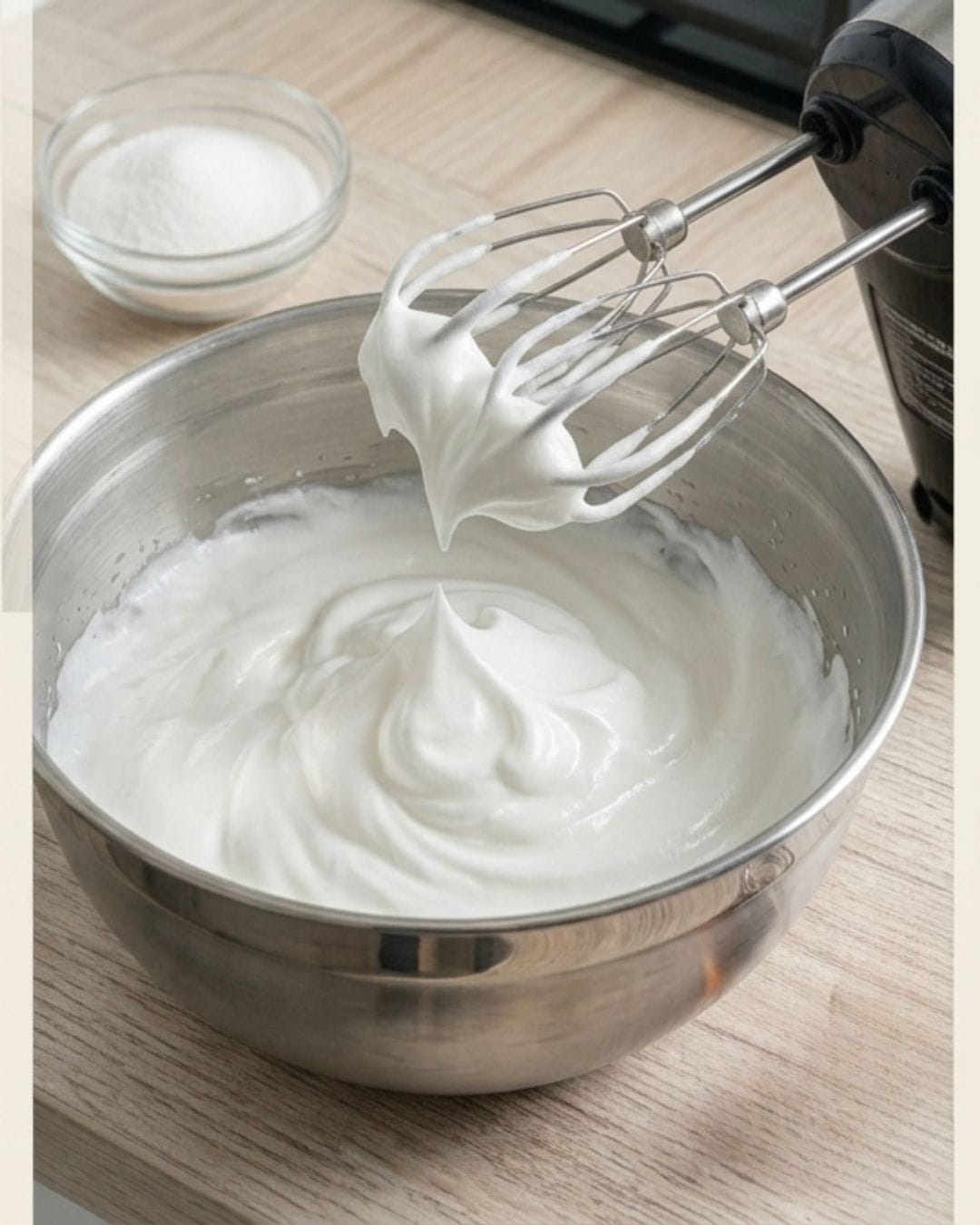
Beating egg whites into stiff peaks for homemade meringue topping.
Freshly baked lemon meringue pie with beautifully golden toasted meringue.
Slice of creamy lemon meringue pie with fluffy golden meringue and buttery cookie crust.

Easy Lemon Meringue Pie Recipe

Learn how to make the best easy lemon meringue pie with condensed milk, fresh limes, and a buttery cookie crust. Creamy, tangy, and perfect every time.
Prep Time20 minutes
Cook Time25 minutes
Resting Time3 hours
Total Time3 hours 45 minutes
Course: Dessert
Cuisine: Venezuelan
Keyword: Creamy Lemon Meringue Pie
Servings: 8
Calories: 339kcal

Ingredients

  • 1 package butter cookies, crushed into fine crumbs
  • 100 gr unsalted butter, melted
  • 2 tbsp milk
  • 250 ml sweetened condensed milk
  • 2 egg yolks
  • 2 egg whites
  • 2 tbsp sugar

Instructions

  • Step 1: Make the Crust

    Preheat your oven to 180°C (350°F).
    Crush the butter cookies into fine crumbs using a food processor or by placing them in a zip-top bag and crushing them with a rolling pin. Mix the crumbs with the melted butter. If the mixture feels a little dry, add 1–2 tablespoons of milk. This simple trick helps the crust hold together perfectly after baking.
    Press the mixture firmly into the bottom and up the sides of a 9-inch (23 cm) pie dish. Use the bottom of a glass or measuring cup to compact the crumbs.
    Bake for 8–10 minutes, then let the crust cool while you prepare the filling.
  • Step 2: Prepare the Filling

    In a medium bowl, whisk together the sweetened condensed milk and the 2 egg yolks until smooth and creamy.
    Add the freshly squeezed lime juice and continue whisking until the filling thickens. Pour the mixture into the cooled cookie crust and spread it evenly.
    Return the pie to the oven and bake for 20 minutes.
  • Step 3: Make the Meringue

    Using a clean mixing bowl, beat the 2 egg whites until soft peaks begin to form.
    Gradually add the sugar while continuing to beat until the meringue becomes thick, glossy, and holds stiff peaks.
    Spread the meringue over the filling, making sure it reaches all the way to the edges of the crust to seal the pie. Use the back of a spoon to create decorative swirls.
  • Step 4: Bake

    Return the pie to the oven and bake for 10–15 minutes, or until the meringue is lightly golden on top.
  • Step 5: Chill

    Allow the pie to cool completely at room temperature, then refrigerate for at least 3 hours before serving. Chilling allows the filling to set properly and makes slicing much easier.

Notes

Tips for the Perfect Lemon Meringue Pie

  • Freshly squeezed lime juice gives the pie its bright, refreshing flavor.
  • Make sure your mixing bowl is completely clean before whipping the egg whites for the best meringue.
  • Spread the meringue all the way to the edges of the crust to prevent it from shrinking while baking.
  • Chill the pie well before serving for clean, beautiful slices.
Baker's Secret: If your cookie crust seems too crumbly, add a small splash of milk to the butter and cookie mixture before pressing it into the pan. It's a simple trick that helps the crust hold together perfectly without becoming hard.

Storage

Store the pie covered in the refrigerator for up to 3 days. It's best served cold and is an excellent make-ahead dessert for entertaining.

Nutrition

Serving: 1g | Calories: 339kcal | Carbohydrates: 35g | Protein: 4g | Fat: 20g
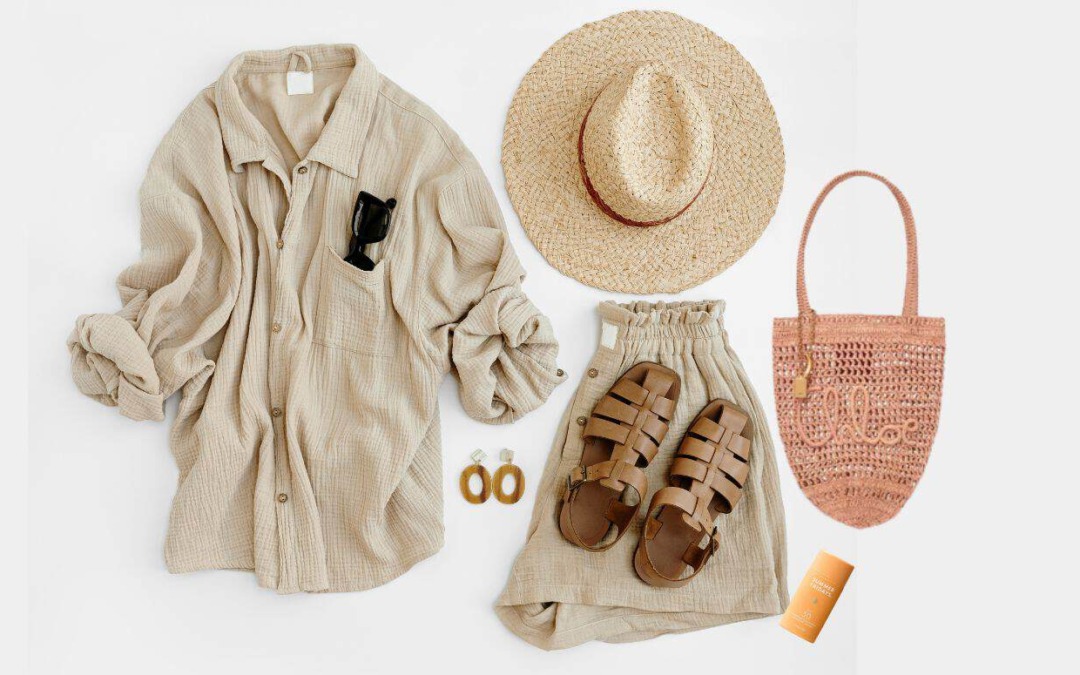
SUMMER CAPSULE WARDROBE

SUMMER CAPSULE WARDROBE

The Summer Capsule Wardrobe 2026: A Luxury Minimalist Approach to Warm-Weather Dressing

There is a particular moment when summer arrives—not abruptly, but like silk slipping across skin. The air softens, light lingers longer, and the act of getting dressed becomes less about necessity and more about ease, expression, and restraint.
The summer capsule wardrobe 2026 is not about limitation. It is about refinement. It is the quiet confidence of owning fewer pieces, yet wearing them more beautifully. It is linen that moves with the body, neutrals that feel intentional, and silhouettes that never try too hard.
In a season defined by heat and lightness, true luxury is simplicity.

What Defines a Luxury Capsule Wardrobe?

A capsule wardrobe is a curated system of clothing designed for cohesion and versatility. In its luxury interpretation, it is not minimal for the sake of reduction—but for the sake of precision.
A luxury capsule wardrobe consists of garments that:

  • Work interchangeably across multiple outfits
  • Are crafted from elevated, breathable fabrics
  • Reflect a refined, personal aesthetic
  • Transition seamlessly from day to evening

Rather than chasing trends, it prioritizes permanence—pieces that feel relevant season after season.

How to Build a Summer Capsule Wardrobe 2026

Creating a minimalist summer wardrobe begins not with shopping, but with editing. Luxury dressing always begins with removal.

1. The Edit

Begin by observing your wardrobe with clarity. Separate pieces into three categories:

  • Essential and frequently worn
  • Occasionally worn but still valuable
  • No longer aligned with your style or lifestyle

The goal is not scarcity—it is clarity.

2. The Foundation

A strong capsule begins with neutral grounding. Think:

  • Ivory
  • Sand
  • Black
  • Warm beige
  • Soft navy

These tones form the architectural base of your wardrobe.

3. The Accent

Luxury in summer dressing comes from restraint, not excess. Introduce subtle accent tones:

  • Butter yellow
  • Olive green
  • Dusty blue
  • Terracotta
  • Soft blush

These colors should feel like accents of sunlight, not interruptions.

The Essential Pieces of a Summer Capsule Wardrobe

A refined summer capsule wardrobe 2026 is composed of intentional, elevated essentials—never filler.

Luxury Tops

  • Silk or cotton-poplin sleeveless tops
  • Tailored ribbed tanks in neutral tones
  • Crisp linen button-down shirt
  • Soft draped blouse for evening wear

Each piece should feel effortless yet considered—never casual in appearance, even when relaxed in silhouette.

Refined Bottoms

  • High-rise linen trousers with fluid movement
  • Tailored Bermuda or structured shorts
  • Straight-leg denim in a soft wash
  • Lightweight midi or maxi skirt

The key is balance: structure paired with ease.

Dresses as Statements of Simplicity

  • Linen midi dress with architectural lines
  • Silk slip dress for evening minimalism
  • Cotton poplin shirt dress for daytime refinement
  • Fluid maxi dress with understated detailing

In a luxury capsule wardrobe, dresses are not trend pieces—they are uniform.

Lightweight Layers

  • Relaxed linen blazer
  • Soft cashmere-blend cardigan for cool evenings
  • Oversized cotton shirt worn open or layered

Layering in summer should feel almost invisible.

Footwear: Understated Elegance

  • Minimal leather sandals
  • Strappy heeled sandals in neutral tones
  • Clean white sneakers
  • Slip-on leather flats or mules

Shoes should never compete with the outfit—they should complete it quietly.

Accessories: Intentional Restraint

  • Woven raffia or straw bag
  • Gold-toned minimal jewelry
  • Slim sunglasses with refined frames
  • Silk scarf for subtle styling variation

Accessories in a luxury capsule are punctuation, not sentences.

How to Style a Luxury Summer Capsule Wardrobe

The art of styling a capsule wardrobe lies in repetition disguised as variation.
Consider these formulas:
Linen trousers + silk tank + flat sandals = understated daytime elegance
Slip dress + leather sandals + structured bag = evening refinement
Denim + crisp shirt + loafers = elevated casual dressing
Midi skirt + fitted knit top = modern femininity
Luxury styling is not about complexity—it is about proportion, texture, and restraint.

The Philosophy Behind Summer 2026 Minimalism

The shift in modern fashion is subtle but significant. There is a growing return to intentional dressing—wardrobes that are not excessive, but expressive.
The summer capsule wardrobe trend 2026 reflects this movement: fewer pieces, higher quality, greater versatility.
It is not about having less style. It is about removing noise so that style becomes more visible.

Final Word: The New Definition of Summer Luxury

A well-constructed summer capsule wardrobe 2026 is not simply a wardrobe—it is a system of dressing that respects time, climate, and identity.
It replaces urgency with ease. It replaces clutter with clarity. It replaces excess with intention.
And most importantly, it allows summer dressing to return to what it has always been meant to be: effortless, sensual, and quietly confident.

KYLE GOETSCH INTERVIEW: NIGHT SKY, LANDSCAPE & WILDLIFE PHOTOGRAPHY

KYLE GOETSCH INTERVIEW: NIGHT SKY, LANDSCAPE & WILDLIFE PHOTOGRAPHY

Kyle Goetsch and his creative journey

Kyle Goetsch is a photographer known for capturing the night sky, landscapes, and wildlife across Southern Africa. His work is defined by a careful balance of technical precision and artistic vision, combining detailed planning, such as moon phases, weather conditions, and celestial positioning, with a strong sense of composition and place.

Specializing in night sky and landscape photography, Goetsch creates images that emphasize scale, stillness, and the relationship between the environment and the cosmos. From iconic locations like Lion’s Head in Cape Town to remote regions across Africa, his photography reflects both exploration and patience in the field.

In this interview, Kyle Goetsch discusses his journey from studying biochemistry to becoming a full-time photographer, how his analytical background influences his creative process, and what it takes to consistently capture compelling night sky, landscape, and wildlife images in challenging and often remote environments

You started out in biochemistry before becoming a full-time photographer, what gave you the courage to completely change paths?

It wasn’t a single moment. While I was studying and working in biochemistry, I was spending most of my free time out shooting, planning trips, or thinking about light. Photography slowly became the thing I cared about most. Eventually I reached a point where I either commit to it properly or always wonder what could’ve been.

Was there a specific image or moment that made you realize photography could be more than a hobby?

Photographing the Milky Way over Lion’s Head in Cape Town. Everything came together, the sky, the foreground, the composition. It was one of the first times the final image matched what I had visualised beforehand. That’s when I realised this could be something more.

How has your scientific background influenced your approach to photography?

It plays a bigger role than people think. I approach photography quite analytically understanding how light behaves, planning around moon phases, weather, and positioning. Especially with astrophotography, there’s a lot of precision involved. But at the same time, you still need to adapt when conditions change.

Kyle Goetsch spitzkoppe arch Namibia sunset
Kyle Goetsch Milky Way over Lion’s Head
Kyle Goetsch quiver tree sunset Namibia landscape
Kyle Goetsch quiver tree Namibia Stars

What draws you so deeply to photographing the Milky Way?

It’s the combination of landscape and something much bigger than us. You’re standing in a remote place in Southern Africa, completely still, with the Milky Way moving overhead. There’s a sense of scale and quiet that’s hard to explain and that’s what keeps pulling me back.

What goes into planning a night sky shoot?

A lot of preparation. I’ll plan compositions in advance, know exactly where the Milky Way will rise, and how it will align with the landscape. But once you’re out there, things change. Clouds move in, light shifts, and sometimes those unplanned moments become the strongest images.

How do you balance technical perfection with storytelling?

Technical is the baseline, it needs to be right so it doesn’t distract. But what I’m really chasing is mood, light, and a sense of place. The best images aren’t always the cleanest ones, they’re the ones that capture atmosphere.

What has been your most challenging shoot?

Remote trips where you’ve invested time and travel, and conditions don’t cooperate. Namibia in summer can be unpredictable. Those experiences teach patience and that not every trip results in a portfolio image.

When did you first feel you had your own photographic style?

Two images stand out: a giraffe aligned perfectly with the moon, and the Milky Way over Lion’s Head. Both felt clean, intentional, and aligned with how I see scenes today.

Kyle Goetsch Lion stare Close up
Kyle Goetsch Giraffe + moon alignment
Kyle Goetsch Leopard Close up

How has Southern Africa shaped your work?

Completely. I’m drawn to iconic elements like quiver trees, baobabs, and mountain aloes. These give images a real sense of place. I also love incorporating wildlife, it adds life, scale, and narrative.

What is the biggest mistake photographers make in the field?

Rushing into taking photos without really observing the scene. Slowing down, understanding light, and simplifying composition makes a huge difference.

How do you stay creative in familiar locations?

By changing perspective, using different focal lengths, waiting for unique conditions. No two moments are ever the same.

How do you stay authentic in the age of social media?

By focusing on creating work I genuinely enjoy instead of chasing trends. Consistency builds a brand over time.

What does success mean to you today?

It’s shifted from building something sustainable to spending time in incredible places, running workshops, and creating meaningful work.

What would your defining project look like?

A long-term body of work documenting Southern Africa’s night landscapes capturing not just beauty, but stillness and scale.

In an era where photography often leans toward trends and instant impact, Kyle Goetsch’s work stands apart by staying grounded—both in place and intention. His images of the Milky Way over landscapes like Lion’s Head are not just technically precise, but deeply connected to the environments they represent. By combining careful planning with a sensitivity to light, mood, and moment, his photography captures something increasingly rare: a sense of stillness, scale, and quiet that invites you to slow down and truly look.

BEST BEAUTY ROUTINE AFTER 40: WHAT ACTUALLY WORKS

BEST BEAUTY ROUTINE AFTER 40: WHAT ACTUALLY WORKS

Beauty Routine After 40: What Actually Works (Morning & Night Skincare Guide)

At some point after 40, your skin just… changes.
Not dramatically overnight, but enough that you start noticing it. The glow isn’t as effortless. Fine lines don’t disappear as quickly. Your skin feels a little drier, sometimes more sensitive, sometimes just tired.
And the most frustrating part?
 The products that used to work suddenly don’t anymore.
That’s exactly where I found myself, until I started rethinking my entire beauty routine after 40 with the help of beauty expert Jaklin (Jaklin Schvili).

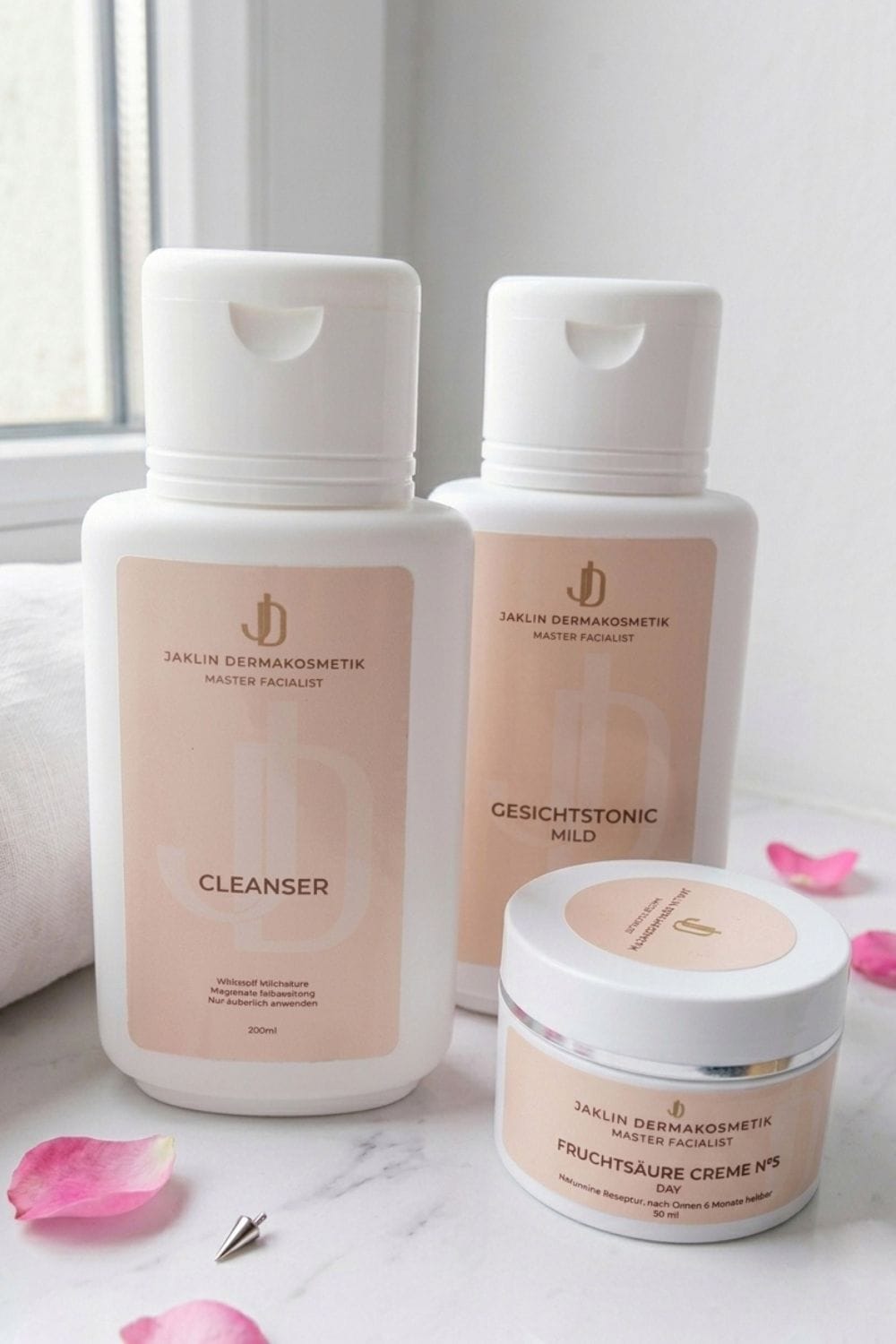
Jaklyn doesn’t just share generic tips, she has her own line of skincare products and always personalizes recommendations based on your skin’s unique needs. That combination of expertise and tailored solutions made a huge difference for me.

What I learned was simple, but powerful:
it’s not about using more products. It’s about using the right ones, in the right way.

Why Your Skin Feels Different After 40

No one really prepares you for this part.
Your skin slows down. It produces less collagen, so it doesn’t feel as firm. It loses moisture faster, which makes fine lines more visible. And it doesn’t renew itself as quickly, so it can start to look dull even when you’re taking care of it.
For me, the biggest shift was realizing that my routine needed to change too.
After 40, your skincare should focus on three things:

  1. keeping the skin deeply hydrated
  2. helping it renew itself
  3. protecting it every single day

Once I understood that, everything started to make more sense.

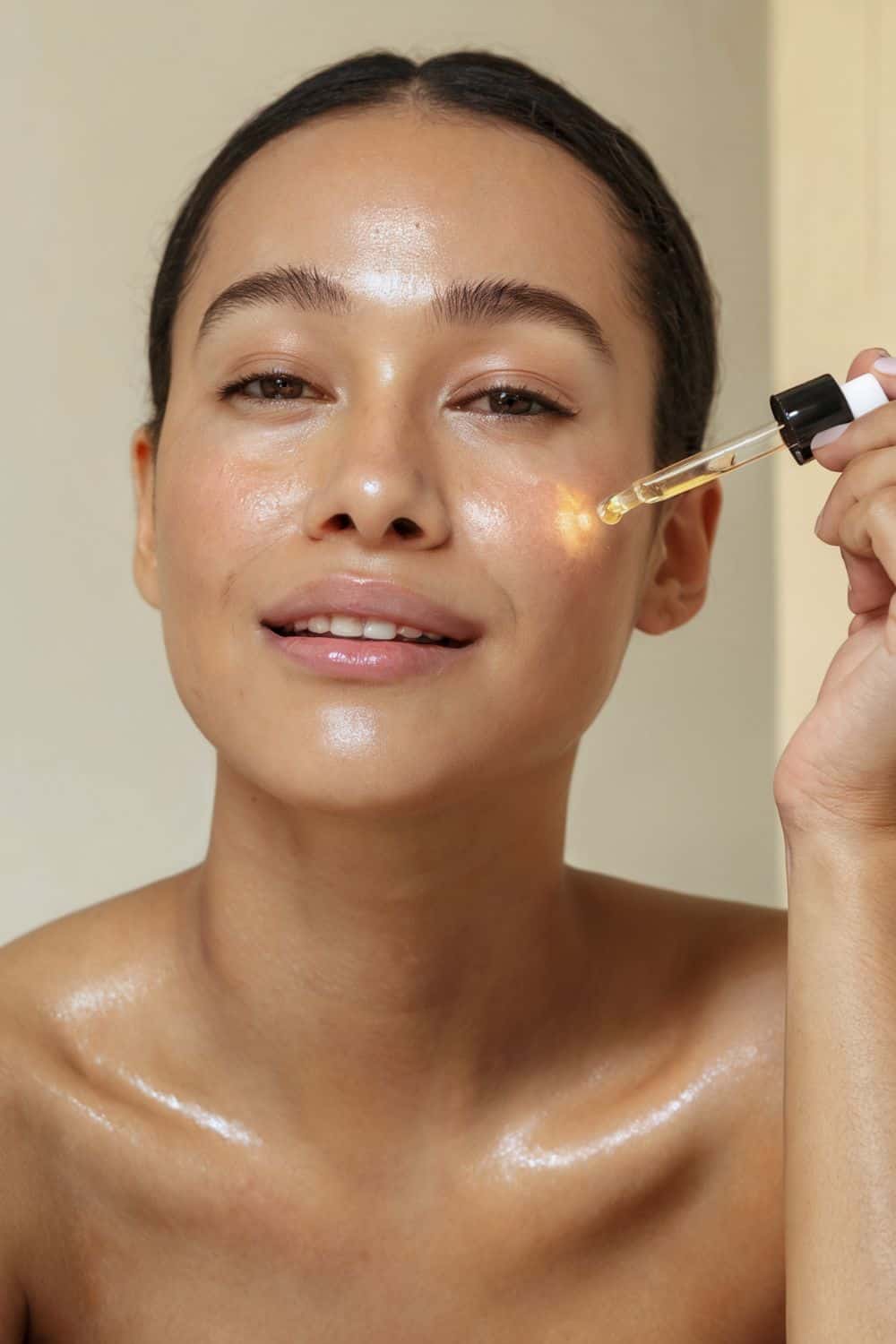
Beauty routine after 40 showing healthy, glowing skin and morning skincare essentials

My Morning Beauty Routine After 40

Mornings used to be quick and simple. Now, they feel more intentional, not complicated, just more thoughtful.

Step 1: Gentle Cleanser
I stopped using anything harsh.
Now I go for a gentle, hydrating cleanser that cleans my skin without leaving it tight. That “squeaky clean” feeling? It’s actually not a good sign anymore.

Step 2: Gentle Toner
I used to skip toner all the time.
Now I see it differently. A good, gentle toner calms the skin and makes everything you apply after work better. It’s a small step, but you notice the difference.

Step 3: Hyaluronic Acid & Vitamin C serum
If there’s one product I always come back to, it’s this.
Hyaluronic acid gives that immediate feeling of hydration. My skin looks fresher, softer, more alive. I apply it while my skin is still slightly damp, and it just works better.

Step 4: Active Day Cream
I don’t look for heavy creams anymore, I look for smart ones.
Something with vitamin C or peptides helps protect my skin during the day and keeps it looking more even and bright over time.

Step 5: Sunscreen
This is the step I used to underestimate the most.
Now I don’t skip it. Ever and is not negotiable
Because no matter how good your skincare is, without sunscreen +50, you’re basically undoing all your effort.

My Night Beauty Routine After 40

Evenings feel different. Slower. More focused.
This is the moment where your skin actually repairs itself, and you can support that.

Step 1: Double Cleansing
I take my time here now.
First, I remove everything with an oil cleanser. Then I use a gentle cleanser to actually clean the skin. It sounds simple, but it makes a huge difference in how my skin looks the next day.

Step 2: Toner
Same as in the morning, just resetting the skin and preparing it.

Step 3: Glycolic Acid (A Few Times a Week)
This was one of those steps where I saw real change.
I don’t use it every day, just a few times a week. But it keeps my skin smoother and brighter. It removes that tired, dull layer that builds up over time.

Step 4: Retinol
I was careful with this at the beginning.
Now it’s a staple. Retinol helps with fine lines and skin texture, but it’s something you build into your routine slowly. Once your skin adjusts, the results are worth it.

Step 5: Night Cream
At night, I go for something richer.
It just feels right to give the skin more support while it’s repairing. By morning, my skin feels calmer and more balanced.

Beauty routine after 40 showing healthy, glowing skin and morning skincare essentials

The Moment That Changed Everything: Chemical Peeling

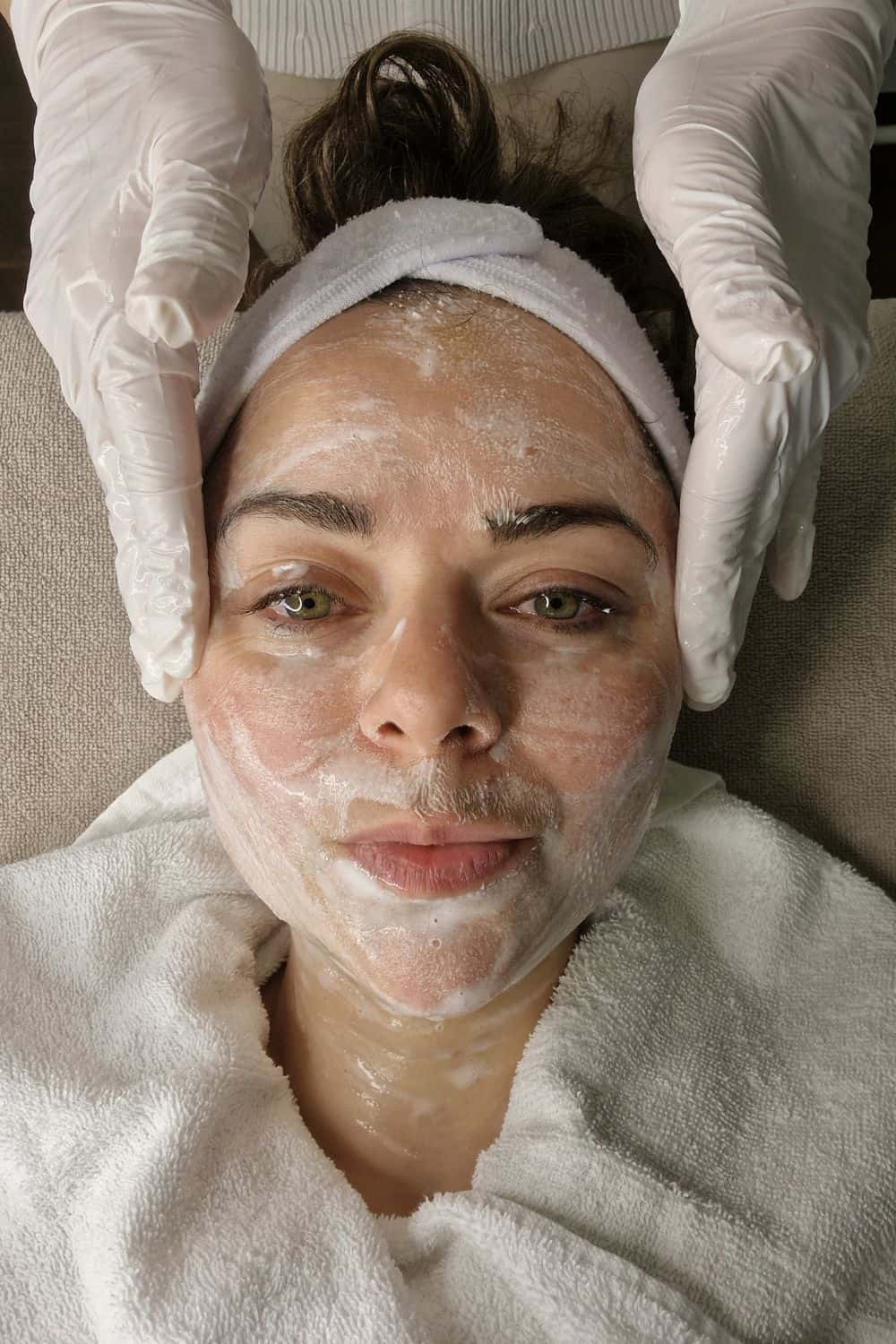
One of the most important things I did for my skin was a chemical peeling with Jaklin.
Before that, I honestly thought peeling was just another form of exfoliation.
It’s not.
It’s deeper. More transformative.

Why Peeling Matters After 40
As we get older, our skin doesn’t shed dead cells as easily.
That layer builds up and makes everything look a bit dull, uneven, and tired.
A chemical peel removes that layer and helps your skin start fresh again.

What It Actually Feels Like
The treatment itself is surprisingly manageable.
There’s a slight tingling sensation, but nothing uncomfortable. The real process starts afterward.

What Happens After the Peeling
This is the part people don’t always talk about.
Day 1–2:
Your skin feels tight, maybe a bit sensitive. Slight redness is normal.
Day 2–4:
You’ll notice peeling, light flaking as the skin starts renewing itself.
Day 4–7:
This is when you really see it. Your skin looks clearer, smoother, and more radiant.

How I Took Care of My Skin After
I kept everything simple.
focused on hydration (especially hyaluronic acid)
avoided strong actives like retinol for a few days
used sunscreen every day
didn’t overdo anything
And that made all the difference.

Beauty routine after 40 showing healthy, glowing skin and morning skincare essentials

What I Took Away From All This
The biggest lesson wasn’t about a specific product.
It was about consistency.
You don’t need a complicated routine. You don’t need 10 steps.
You just need to:
be consistent
not overload your skin
give products time to work
keep your skin hydrated
And most importantly, pay attention to how your skin feels.

Final Thoughts

A beauty routine after 40 isn’t about trying to look like you did 10 years ago.
It’s about understanding your skin now, and giving it what it needs.
When you do that, your skin doesn’t just look better.
It looks healthier, calmer, more natural.
And that kind of glow feels very different.

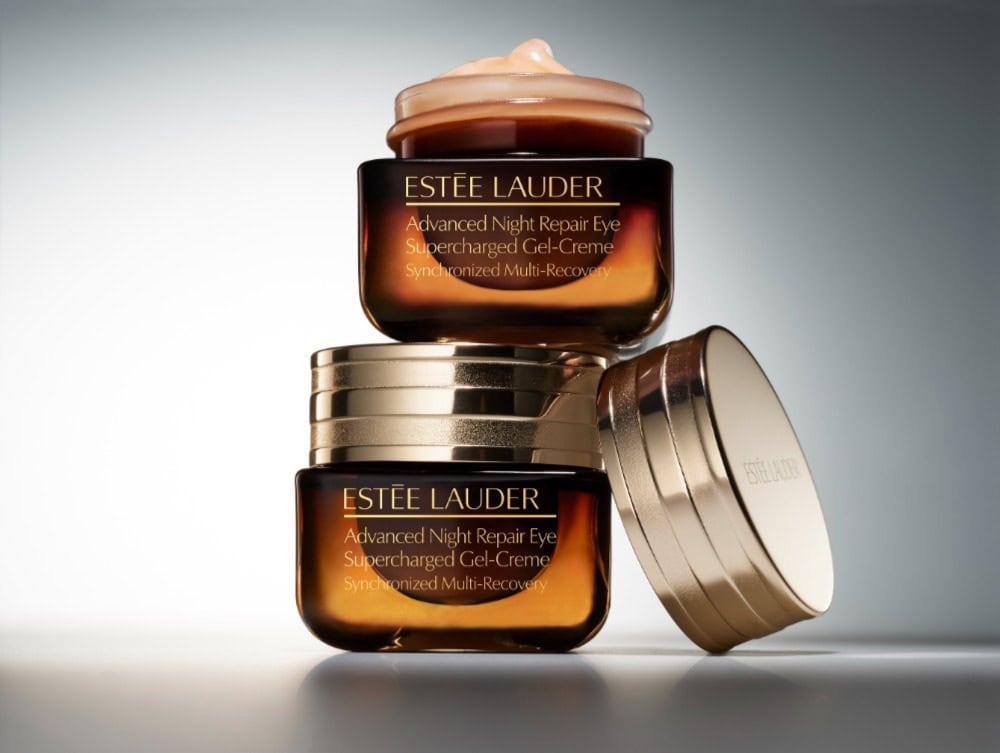
Final advice from Jaklin: Keep your skin running, day and night, with active creams

HILA FAHIMA INTERVIEW: LIFE ON THE WORLD’S OPERA STAGES

HILA FAHIMA INTERVIEW: LIFE ON THE WORLD’S OPERA STAGES

Interview with Hila Fahima

Opera is a world where voice, drama, and emotion converge into one of the most powerful artistic forms. Few artists embody this fusion as vividly as soprano Hila Fahima. Known for her brilliant lyric coloratura voice and dazzling stage presence, Fahima has built an international reputation through performances in some of Europe’s most prestigious opera houses, joining a generation of classical musicians shaping the global stage — including artists like violinist Yury Revich.

Born in Karmiel and trained at the Jerusalem Academy of Music and Dance, Fahima quickly emerged as one of the most exciting voices of her generation. Her career gained momentum through major engagements in Europe, including work with the Deutsche Oper Berlin and performances in demanding repertoire such as the Queen of the Night in The Magic Flute and Zerbinetta in Ariadne auf Naxos.

In this exclusive interview, Hila Fahima reflects on her early musical inspirations, the challenges of building an international opera career, and the artistic depth behind some of the most technically demanding roles in the repertoire. She also shares insights into her creative process, the emotional power of live performance, and exciting projects that lie ahead in the coming seasons.

You were born in Karmi’el and trained at the Jerusalem Academy of Music and Dance. What are your earliest memories of music, and when did you realize opera was your true calling?

Music has been a natural part of my life since childhood. As a very shy child with a rich inner world and a vivid imagination, I discovered in music a way to express myself. One of my strongest early memories is the moment I discovered the human voice—the extraordinary ability to express deep emotions and reveal oneself through singing. For me, it became a unique and powerful way to communicate with the world.
During my studies at the Jerusalem Academy of Music and Dance, I began to encounter the world of opera more deeply. To me, opera is the most fascinating of all musical genres, because it brings together theatre, drama, music, different cultures, and often even movement and dance. I realized that if I chose music as my profession, I wanted to challenge myself at the highest possible level—and opera is exactly the place where all these artistic elements converge.

Hila Fasima: Deutsche Oper Berlin, Queen of the night from Magic flute

Hila Fahima: Deutsche Oper Berlin, Queen of the night from Magic flute

Hila Fashima: Michael Pöhn (Oscar in Ballo in Maschera at the wienerstaatsoper)

Hila Fahima: Michael Pöhn (Oscar in Ballo in Maschera at the Wienerstaatsoper)

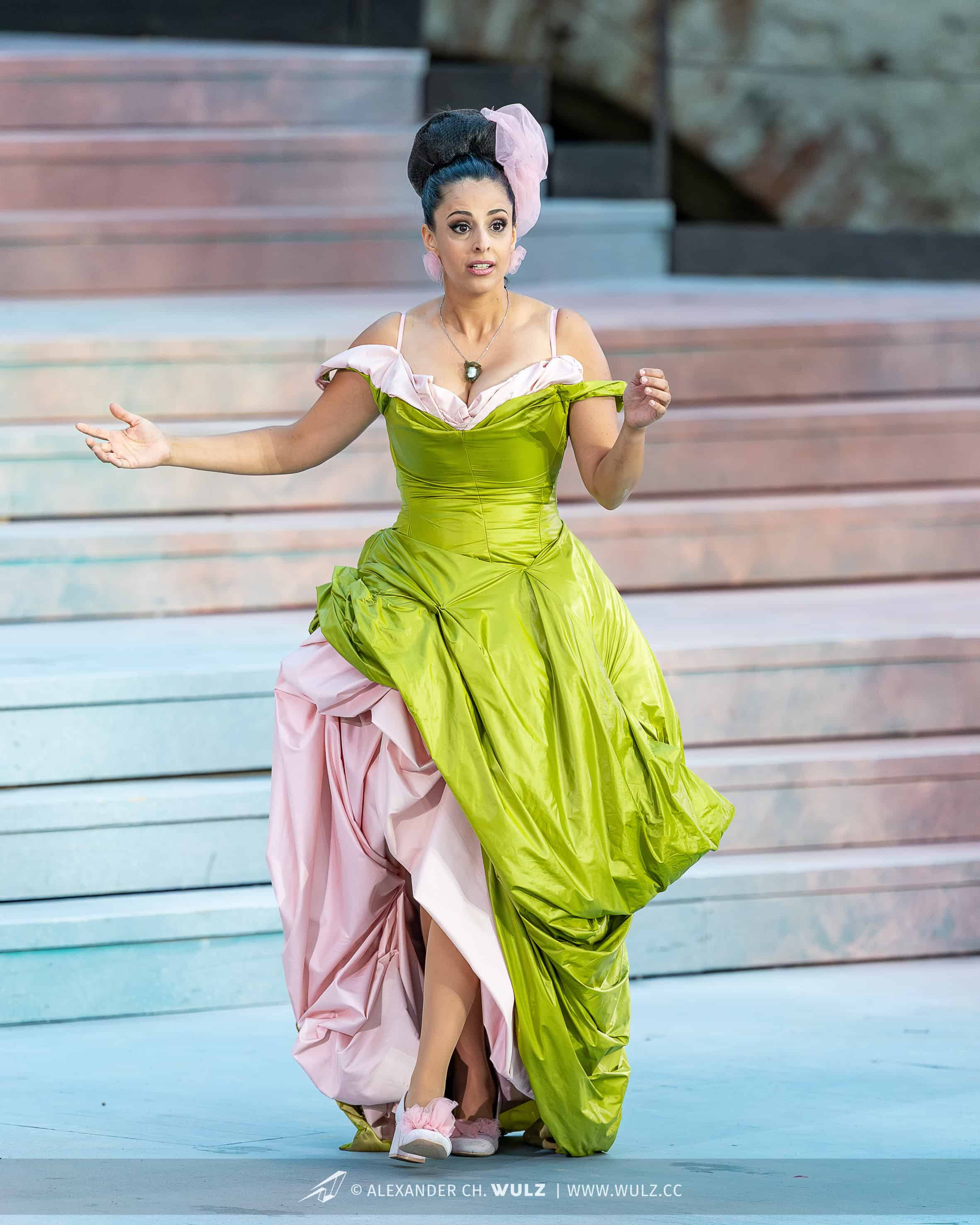
Hila Fashima: Alexander Wulz, La Traviata Burggars Opera

Hila Fahima: Alexander Wulz, La Traviata Burggars Opera

You built your international career starting from the Vienna State Opera ensemble. What were the biggest challenges in establishing yourself on major European stages?

I began my professional journey at the Israeli Opera as part of the Young Artists Program. Within six months, I moved to Berlin after receiving a contract with Deutsche Oper, initially for one year but later extended to three.
It was a major turning point—moving to a new country, adapting to a new language, and entering the demanding environment of a large European opera house.
Building a career in Europe requires both resilience and constant artistic growth. The environment is highly competitive and the standards are exceptionally high. As a young singer, the challenge was to develop quickly, to master demanding repertoire, and to earn the trust of audiences who know opera extremely well.
At the same time, this transition was one of the most fascinating periods of my life. I discovered many things about myself that I had never known before. I matured, learned enormously, and the experience only strengthened my desire to continue creating and evolving as an artist.

Your voice is known for its brilliant coloratura and clarity. How would you describe your vocal identity?

I would describe my voice as a lyric coloratura voice with brilliance, precision, and a wide expressive palette.
Over the years, I have come to understand my voice more deeply—not only from a technical perspective but also from an artistic one. As singers mature, they develop a greater capacity to bring emotional depth and musical nuance to their interpretations.
For me, the most important balance is between vocal virtuosity and genuine emotional expression. Technique serves the artistry, and artistry gives meaning to the technique.

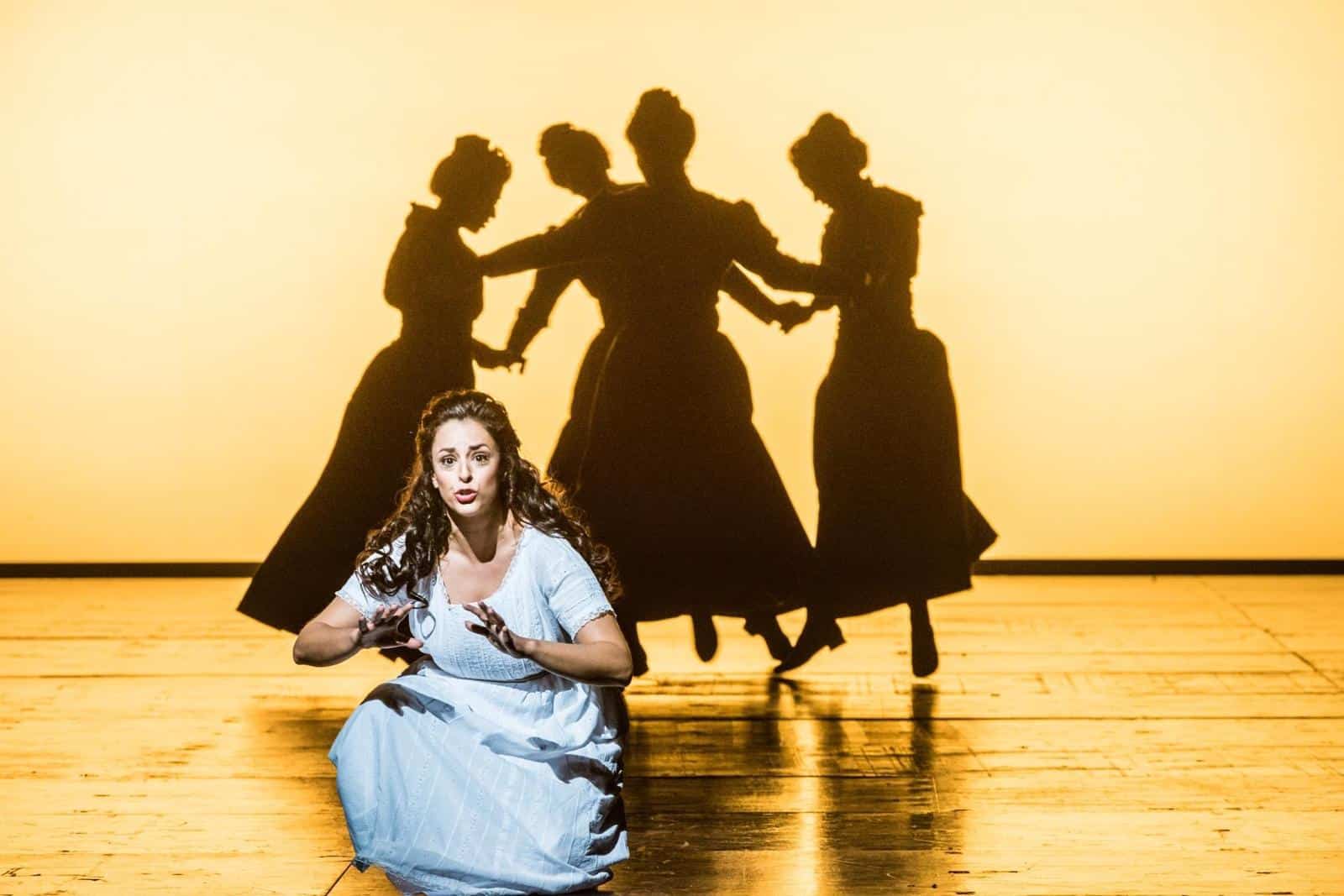
Hila Fahima: Israeli Opera, Lucia Di Lammermoor

Hila Fahima: Israeli Opera, Lucia Di Lammermoor

Roles like Zerbinetta and the Queen of the Night are extremely demanding. What draws you to these characters?

These roles challenge a singer on every possible level—technically, musically, and dramatically. What fascinates me is precisely this combination of vocal virtuosity and powerful theatrical presence.
The Queen of the Night is a mother often portrayed as a villain, yet she also contains moments of vulnerability and tenderness. Despite appearing in only two scenes, she completely captivates the audience.
Zerbinetta, on the other hand, develops gradually throughout the opera. She possesses humor and vibrancy, yet behind her masks lies a longing for genuine love. Maintaining dramatic tension throughout the role while meeting its immense vocal demands is a true challenge.
Preparation begins months in advance. I divide the role into smaller sections and work on them individually—like assembling a puzzle until the full picture emerges. Each character also requires deep psychological work derived from the text.

You have performed in many countries and cultures. How has living and working internationally influenced you?

An international career opens a world of cultures, languages, and artistic perspectives. Working in different opera houses exposes you to a wide variety of musical interpretations and creative approaches.
For me, this constant exchange is an essential part of artistic growth.
Living and working across different countries also teaches adaptability, openness, and curiosity—qualities that are just as important in life as they are in art.

What does your preparation process look like when you debut a new role?

When preparing a new role, my first step is always a deep study of the score and the libretto. I like to understand the musical architecture of the piece and the dramatic context behind every moment.
From there, the technical vocal work begins, building the role gradually and in a healthy way.
At the same time, I explore the psychology of the character—her background, motivations, and emotional journey throughout the opera.

Studio recordings and live opera performances are very different experiences. What do you enjoy most about each format?

A live performance on stage is an experience that cannot be replicated. The energy of the audience, the interaction with the orchestra, and the connection with colleagues on stage create moments that are entirely unique.
Sometimes something magical happens on stage—it feels almost mystical.
Recording offers a different artistic satisfaction. The preparation involves deep research and refinement. In a sense, a recording is like a painting on a wall—something that remains and can be revisited again and again.

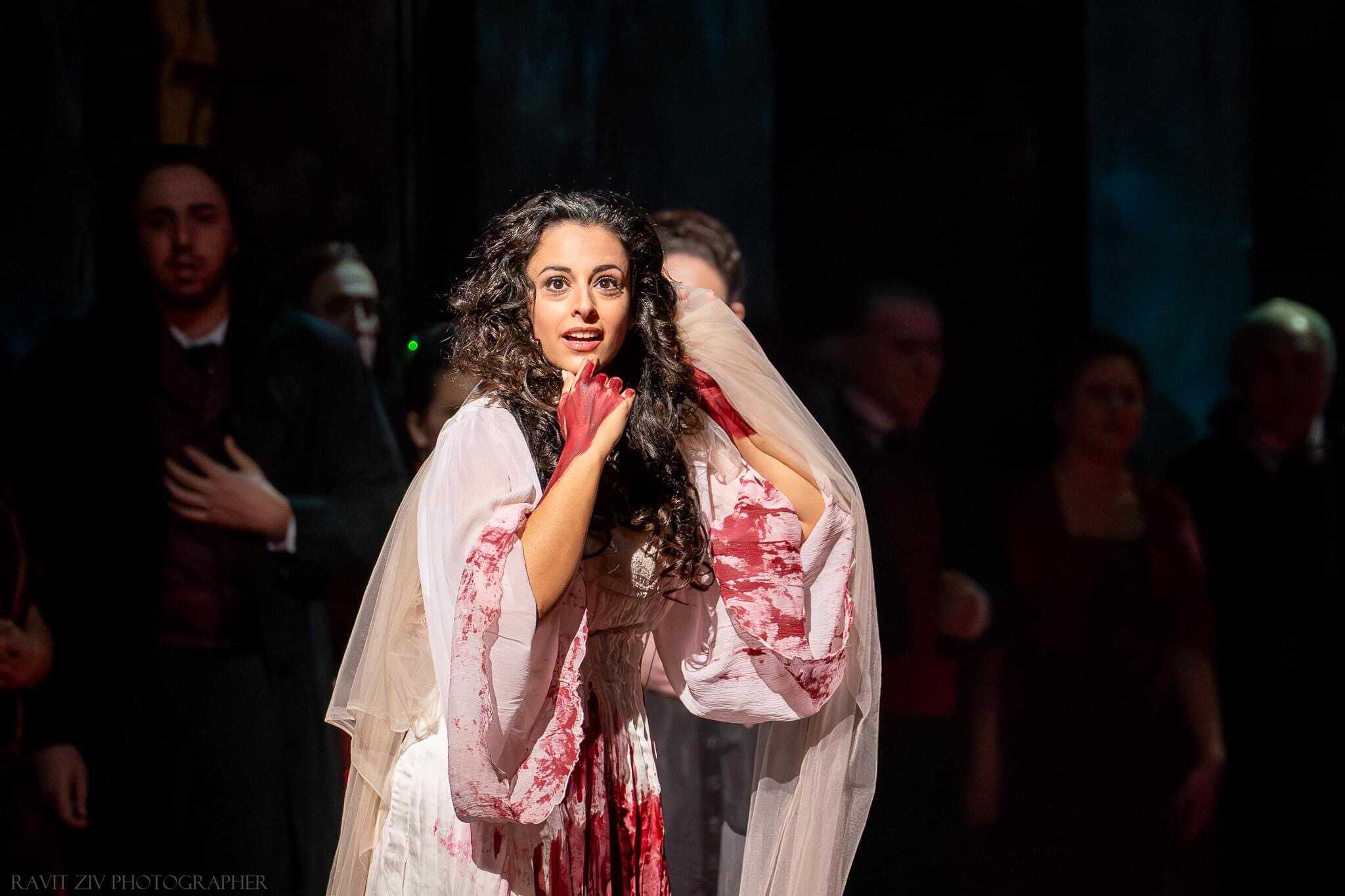
Hila Fahima: Israeli Opera, Lucia Di Lammermoor

Hila Fahima: Israeli Opera, Lucia Di Lammermoor

Is there a particular performance that you consider a turning point?

One that stands out was my first Lucia in a new production at the Aalto Theater Essen.
Working on the role for more than a month and building a character who gradually descends into madness was an extraordinary experience.
It was also a dream come true to sing such an iconic role.

What advice would you give to young singers dreaming of an international opera career?

First of all: patience and perseverance. A career in opera is a marathon, not a sprint.
It is essential to build a solid vocal technique and choose repertoire that truly suits your voice.
I would also encourage young singers to travel, attend concerts and operas, meet professionals, and participate in competitions and masterclasses.
And most importantly—listen to your inner voice.

Looking ahead, what projects excite you most in the coming seasons?

I am currently performing the role of the Queen of the Night again after a five-year break, and it is very exciting to bring her back to life.
There is also a new role currently being written especially for me. It will premiere next season and is based on a true story.
Additionally, I will perform a series of New Year concerts in 2027 in a place where I have never performed before. More details will be revealed soon.

For more information please visit: Hila Fahima

Photo Credits:

Featured Image: Manfred Baumann