75 HARD CHALLENGE VS 75 MEDIUM: ARE YOU READY?

75 HARD CHALLENGE VS 75 MEDIUM: ARE YOU READY?

The 75 Hard Challenge: Is It Worth It? Plus, A More Flexible Alternative

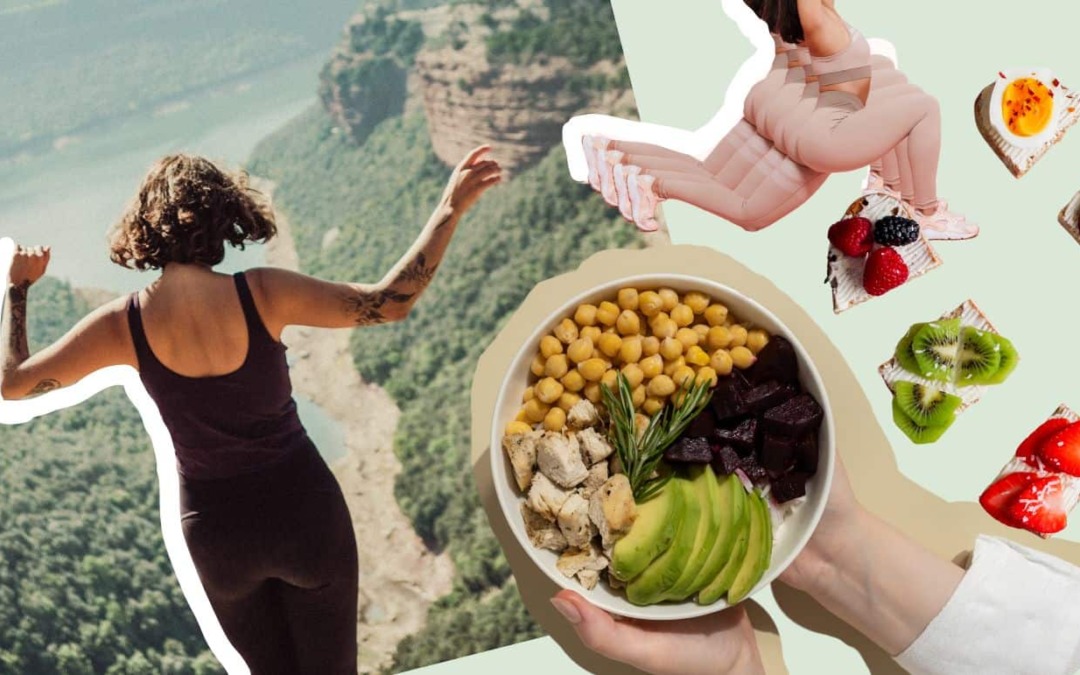
Let’s not sugarcoat it—the 75 Hard challenge is tough. Like, two workouts a day tough (who thought that was a good idea?). While TikTok has introduced us to more manageable workout trends like the 3-2-8 and 4-2-1 methods, which can easily be adapted to fit our schedules and fitness levels, the 75 Hard is a whole different ballgame. It’s not just about pushing your body—it’s about testing your mind. There’s a reason the program has “hard” right in its name. According to the program’s official site, “If you’re looking for a new fitness program or challenge, this is not it.” What they offer instead is a “transformative mental toughness program” that covers fitness, nutrition, self-improvement, and a whole lot of mental discipline.

But if the idea of going all-in with something like 75 Hard sounds a little too much, there’s a more moderate alternative—75 Medium. As the name suggests, this is somewhere between the no-excuses mentality of 75 Hard and the laid-back vibe of 75 Soft. While both 75 Medium and 75 Hard aim to inspire healthier habits, you might be wondering—do these challenges really work? And are they worth the commitment? Let’s break down what 75 Medium is all about, how it stacks up against 75 Hard, and what the experts have to say about both.

What is 75 Hard?

The 75 Hard challenge was created by Andy Frisella, a podcaster and CEO of the supplement company 1st Phorm. He came up with the idea after interviewing James Lawrence (aka the “Iron Cowboy”), who completed 50 Ironman races in 50 consecutive days across all 50 states. Lawrence emphasized the importance of getting uncomfortable in order to build mental strength—and that’s how 75 Hard was born.

The program lasts for 75 days and involves the following daily requirements:

  • Follow a diet of your choice, but it must be a structured plan that improves your physical health. No cheat meals, no alcohol.
  • Do two 45-minute workouts, one of which must be outdoors.
  • Take a progress picture every day.
  • Drink one gallon of water a day.
  • Read 10 pages of a non-fiction book (no audiobooks!).

And here’s the kicker: if you mess up even one part of the program, you have to start over at day one. There’s no room for modifications. It's intense, but Frisella claims it’ll boost your confidence, self-esteem, and mental fortitude while positively affecting other areas of your life, from your career to your relationships.
75 Hard challenge vs. 75 Medium: Which Challenge is Right for You?

What is 75 Medium?

Unlike 75 Hard, 75 Medium gives you more flexibility. It allows you to adjust the rules based on your needs, making it a less extreme but still effective challenge. You only have to do one 45-minute workout per day (no need for two!), and there’s more wiggle room in terms of diet. While you still need to stick to a plan, you don’t have to be as strict as with 75 Hard. Plus, it incorporates personal development in the form of listening to inspirational content (not just reading).

Here are the general guidelines for 75 Medium:

  • Hydration: Drink half your body weight in ounces of water each day.
  • Exercise: Do a 45-minute workout every day.
  • Diet: Stick to your diet plan 90% of the time—no cheats, no alcohol.
  • Personal development: Read or listen to 10 minutes of something inspirational, like a self-help book or podcast, daily.
  • Mindfulness: Meditate or pray for 5-10 minutes each day.
  • Progress pictures: Like 75 Hard, most participants take a progress picture every day.

But just like 75 Hard, if you fall short on any of the rules, you’ll have to restart from day one.

What Do Experts Think About 75 Medium and 75 Hard?

Both 75 Hard and 75 Medium can be effective for building discipline, but are they really the best fit for everyone? I asked experts to weigh in on the pros and cons of these challenges.

Pros:

According to Dr. Brittany Robles, MD, MPH, CPT, an OB-GYN and NASM-certified trainer, 75 Hard is great for building mental toughness and discipline. By sticking to a strict regimen for 75 days, you train yourself to push through discomfort—key for long-term success. She also points out that the program can help you build healthy habits, like regular exercise, proper hydration, and mindful eating.

Andy Vincent, a strength and conditioning coach, agrees, saying that 75 Medium can help create consistent habits around exercise, hydration, and reading. He compares it to the idea in Atomic Habits of stacking small, healthy habits on top of each other to make positive changes in your life.

Cons:

However, the challenge isn’t all rainbows and sunshine. Dr. Shoaib Malik, MD, a family medicine specialist, warns that 75 Hard’s strict rules can lead to burnout, injuries, and mental health issues for some people. He also raises concerns about the potential for negative body image due to the program’s focus on physical appearance, especially with daily progress photos.

Vincent echoes these concerns. While 75 Medium is more flexible, he notes that it can still be overwhelming for some people, especially if their current lifestyle doesn’t align with the challenge’s demands. He also points out that the program doesn’t offer much actual guidance, leaving people to figure out the best approach to nutrition and fitness on their own. This can lead to poor dietary choices or even overtraining. As for the progress photos, they might encourage an unhealthy obsession with appearance, potentially leading to body dysmorphia.
75 Hard challenge vs. 75 Medium: Which Challenge is Right for You?

The Verdict

At the end of the day, it’s all about what works for you. While 75 Medium and 75 Hard could help some people adopt healthier habits, they may not be the right fit for everyone. Both programs emphasize things like hydration, exercise, and personal development, which are undeniably important. But trying to maintain the same rigid routine for 75 days could cause burnout—especially when life gets in the way.

The all-or-nothing mindset of these challenges can also be problematic, particularly for those with a history of disordered eating or unhealthy relationships with exercise. Plus, you don’t need to commit to something as intense as 75 Hard to build mental toughness or improve your health. Sometimes, a more flexible approach works best.

Instead of diving straight into the deep end, consider adapting the challenge to fit your needs. Do 30 days instead of 75. Work out for 10, 20, or 30 minutes depending on how your body feels. Make recovery days part of the plan. Listen to your body, adjust your diet when needed, and focus on personal development that actually resonates with you. If 75 Medium or Hard doesn’t speak to you, that’s okay. You can still build mental toughness and pursue wellness without going through the extremes of these fitness trends.

Our recommendation? Find what brings you joy and works for your lifestyle, and take it from there. Whether it’s trying a new type of workout or setting small fitness goals, any progress counts. The key is making your wellness journey work for you, no matter what the latest TikTok challenge says.
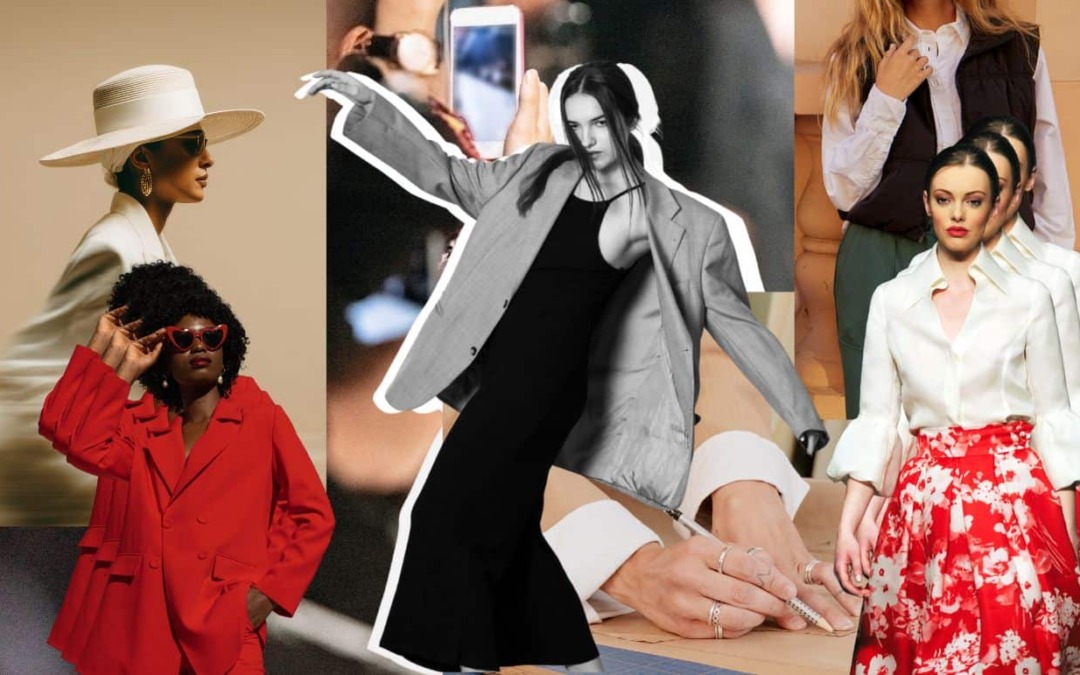
FASHION TRENDS 2026: WHAT IS IN, WHAT’S NEXT & HOW TO WEAR IT

FASHION TRENDS 2026: WHAT IS IN, WHAT’S NEXT & HOW TO WEAR IT

2026 Fashion Trends: The Defining Styles Set to Shape the Year Ahead

Fashion trends in 2026 focus on refined silhouettes, romantic textures, modern tailoring, and elevated everyday essentials. From sheer layering and balloon trousers to heritage-inspired blazers, structured handbags, and a neutral-led color palette, 2026 fashion is defined by longevity, versatility, and intentional style choices.
Fashion in 2026 marks a turning point. After years of rapid trend cycles, aesthetic micro-eras, and social-media-driven style moments, the industry is shifting toward a more thoughtful approach built on refinement, contrast, and individuality. This philosophy is also reflected in our interview with fashion stylist Michael Dye, who explains how professionals interpret style direction for the year ahead.
Rather than novelty for novelty’s sake, fashion trends in 2026 balance romance with structure, comfort with polish, and futurism with heritage. From runway collections in Paris and Milan to street style signals in New York and Copenhagen, the message is clear: 2026 fashion trends are designed to feel modern, expressive, and wearable in real life.
Below, we break down the key styles set to shape wardrobes, shopping habits, and fashion conversations throughout the year.

Sheer Layers and Romantic Transparency

Sheer fashion in 2026 continues to evolve, shifting away from overt exposure toward thoughtful, wearable layering. Designers are embracing transparent fabrics such as chiffon, mesh, tulle, and lace to create depth, movement, and softness rather than shock value. The result is a romantic yet modern approach to sheer layering outfits.
Instead of fully sheer looks, the lace trend in 2026 focuses on strategic transparency. Sheer skirts are layered over opaque shorts, delicate lace tops are styled beneath tailored jackets, and mesh dresses are paired with tonal slips. Lingerie-inspired details — lace trims, corset seams, and satin finishes — feel subtle, intentional, and refined.
This approach to sheer layering works especially well for transitional dressing, allowing outfits to move effortlessly from day to evening. Neutral tones dominate, while soft pastels and deep wine shades add a sense of richness.
Key styling idea: Pair a sheer midi skirt with a structured blazer and minimalist boots.


Volume Returns: Balloon Pants and Sculptural Silhouettes

One of the most defining fashion trends of 2026 is the return of volume. As skinny silhouettes continue to fade, balloon pants, cocoon skirts, and sculptural tailoring take center stage. This balloon pants trend offers comfort without sacrificing impact, making voluminous silhouettes a key part of modern dressing.
Balloon trousers sit high at the waist and taper at the ankle, often crafted from cotton twill, linen blends, or lightweight wool. Oversized fashion in 2026 extends beyond trousers, appearing in sleeves, skirts, and outerwear to create fluidity and movement.
The secret to wearing voluminous silhouettes in 2026 lies in balance. Designers consistently ground oversized pieces with fitted knits, clean tailoring, and minimal accessories, ensuring the look remains elegant rather than excessive.
Key styling idea: Balloon trousers styled with a fitted ribbed tank and sleek leather loafers.


Checks, Gingham, and Modern Pattern Dressing

Patterns are regaining importance in 2026 fashion trends, with classic checks and gingham leading the way. Long associated with tradition and tailoring, these prints are reimagined through contemporary silhouettes, oversized proportions, and unexpected color combinations.
The gingham fashion trend of 2026 appears in bold scales, while windowpane and Prince of Wales checks dominate blazers, trousers, and skirts. These pattern trends feel timeless yet current, especially when styled with neutral basics.
Rather than head-to-toe prints, modern pattern dressing in 2026 focuses on a single statement piece anchored by clean, minimal layers.
Key styling idea: A checked blazer layered over a monochrome knit set.


Elevated Sneakers and Patent Finishes

Sneaker trends in 2026 reflect the rise of everyday luxury shoes. Patent leather sneakers are emerging as a refined alternative to traditional athletic styles, offering a polished finish that bridges casual and tailored looks.
Patent sneakers in fashion are designed to pair seamlessly with straight-leg trousers, relaxed dresses, and structured separates. White, black, and muted metallic finishes dominate, reinforcing the minimalist direction of 2026 fashion.
This evolution highlights a broader shift toward elevated essentials — pieces that enhance daily dressing while maintaining comfort and versatility.
Key styling idea: Patent leather sneakers styled with tailored trousers and a crisp button-down.


Handbag Trends: Structure Meets Playfulness

Handbag trends in 2026 strike a balance between structure and personality. Bags are no longer just functional accessories — they play a central role in outfit storytelling. The best bags of 2026 include structured square totes, vanity-inspired cases, beaded handbags, and woven designs upgraded with leather detailing.
These fashion accessories trends feel intentional rather than novelty-driven, designed to complement both minimalist and expressive wardrobes. Timeless pieces, such as the Maxwell Scott handbag, perfectly capture this direction, blending elegance with practicality while elevating everyday outfits.
Color also plays a key role, with soft neutrals, muted pastels, and deep jewel tones defining handbag palettes for 2026.
Key styling idea: A structured mini tote paired with relaxed tailoring.


The Color Palette Defining 2026

Color trends in 2026 lean toward calm sophistication. While bold shades still appear, the dominant direction favors refined neutrals and softened hues. Off-whites, warm taupes, stone gray, muted greens, and powdery blues define neutral fashion trends for the year.
This palette reflects the growing desire for longevity and versatility. A minimalist wardrobe built around these tones allows statement silhouettes and textures to take center stage while remaining endlessly wearable.
Color in 2026 is used thoughtfully — supporting form, fabric, and layering rather than overwhelming the look.
Key styling idea: A monochrome outfit built around layered neutral tones.


Tailoring, Heritage, and the New Classic

Tailored fashion in 2026 continues its quiet resurgence, shaped by heritage style trends and academic influences. Blazers, trench coats, and structured jackets are softened with relaxed fits, fluid fabrics, and modern proportions.
Materials such as tweed, wool, and corduroy add texture and depth while maintaining a contemporary feel. Modern tailoring in 2026 aligns with the movement toward investment dressing and timeless wardrobes built to last.

Why 2026 Fashion Is About Intentional Style

The fashion trends of 2026 signal a clear shift toward balance — between romance and structure, comfort and elegance, innovation and tradition. Rather than fleeting micro-trends, 2026 fashion is defined by thoughtful design and purposeful choices.
For shoppers and style enthusiasts, this is a year to invest in pieces that feel relevant now and wearable for years to come. Through sculptural silhouettes, refined neutrals, elevated accessories, and modern tailoring, fashion becomes more personal, expressive, and enduring.
At Lemontrend.com, 2026 is the year to curate rather than chase — embracing trends that align with individual style while reflecting the evolution of modern fashion.

MERRY CHRISTMAS

MERRY CHRISTMAS

Merry Christmas

Christmas, the celebration of the birth of Jesus Christ, remains one of the most cherished holidays around the world. With traditions that span centuries and cultures, it’s a time rich in history, meaning, and shared rituals that continue to bring people together year after year.

As I reflect on this season, I feel deeply grateful for my community, my readers, and, most of all, my little family. Thank you to everyone who takes the time to visit this space and support us along the way. Your presence truly means more than words can say.

Cooking Christmas dinner is still one of my favorite traditions. There’s something incredibly special about filling the kitchen with warmth, familiar aromas, and love, those simple moments that turn into lasting memories.

Above all, I’m thankful for health, happiness, and the chance to celebrate together. May this season remind us to slow down, reconnect, and cherish the people we love. Wishing you a Christmas filled with peace, joy, and togetherness. 

Venezuelan Christmas dish

Today, I want to share a piece of Venezuela's Christmas traditions with you, and there's no Christmas celebration here without hallacas. Hallaca is our beloved traditional dish, rich in history and meaning.

Hallacas are a traditional Venezuelan dish that play a central role in the country's Christmas celebrations. They are a type of tamale, typically made with a rich filling of meats, vegetables, and olives, all wrapped in a cornmeal dough and then steamed in plantain leaves. Hallacas are a beloved part of the Venezuelan holiday season, and their history reflects a blend of indigenous, African, and European influences.

Origins of Hallacas:

The story of hallacas is tied to Venezuela's diverse cultural heritage, resulting from the blending of various groups during the colonial era. The dish's roots can be traced back to a combination of pre-Columbian, African, and Spanish culinary traditions:

  • Indigenous Influence: Indigenous peoples in Venezuela, particularly the Caribs, were already preparing tamale-like dishes long before the arrival of the Spanish. These early versions often consisted of maize (corn) dough, filled with fish, meat, or other ingredients. The use of maize as a staple ingredient is central to the dish, a practice that pre-dates European colonization.
  • Spanish Influence: The Spanish colonizers introduced their own flavors and cooking techniques to the region. They brought with them ingredients such as pork, beef, chicken, and various seasonings that would eventually become part of the hallaca filling. Additionally, the Spanish influence brought the idea of wrapping food in leaves for cooking, which is why plantain leaves are used to wrap hallacas today.
  • African Influence: African slaves brought to Venezuela in the 16th and 17th centuries played an important role in shaping the hallaca. African cooking techniques and flavors, such as the use of olives, capers, and salted meats, became integrated into the recipe. These ingredients are key components of the filling today.

Evolution of the Dish:

Over the centuries, hallacas evolved into a distinctive Venezuelan dish, influenced by both local traditions and the availability of ingredients. Initially, hallacas were prepared by rural families in small, isolated communities, often as a way to preserve meat during the dry season. However, the tradition grew over time and became a key dish for major celebrations, especially Christmas.

The creation of hallacas is an event in itself. In many Venezuelan families, making hallacas is a social activity that brings people together. It often involves multiple generations of family members, with everyone playing a role in the process, from preparing the fillings to assembling the hallacas and wrapping them in plantain leaves. This communal aspect of preparing hallacas has made it a cherished family tradition.

The Ingredients:

The preparation of hallacas involves several steps and a wide range of ingredients:

  • Dough: The dough is typically made from cornmeal and seasoned with annatto (a natural food coloring and flavoring that gives the dough its yellow color) and sometimes broth to add flavor.
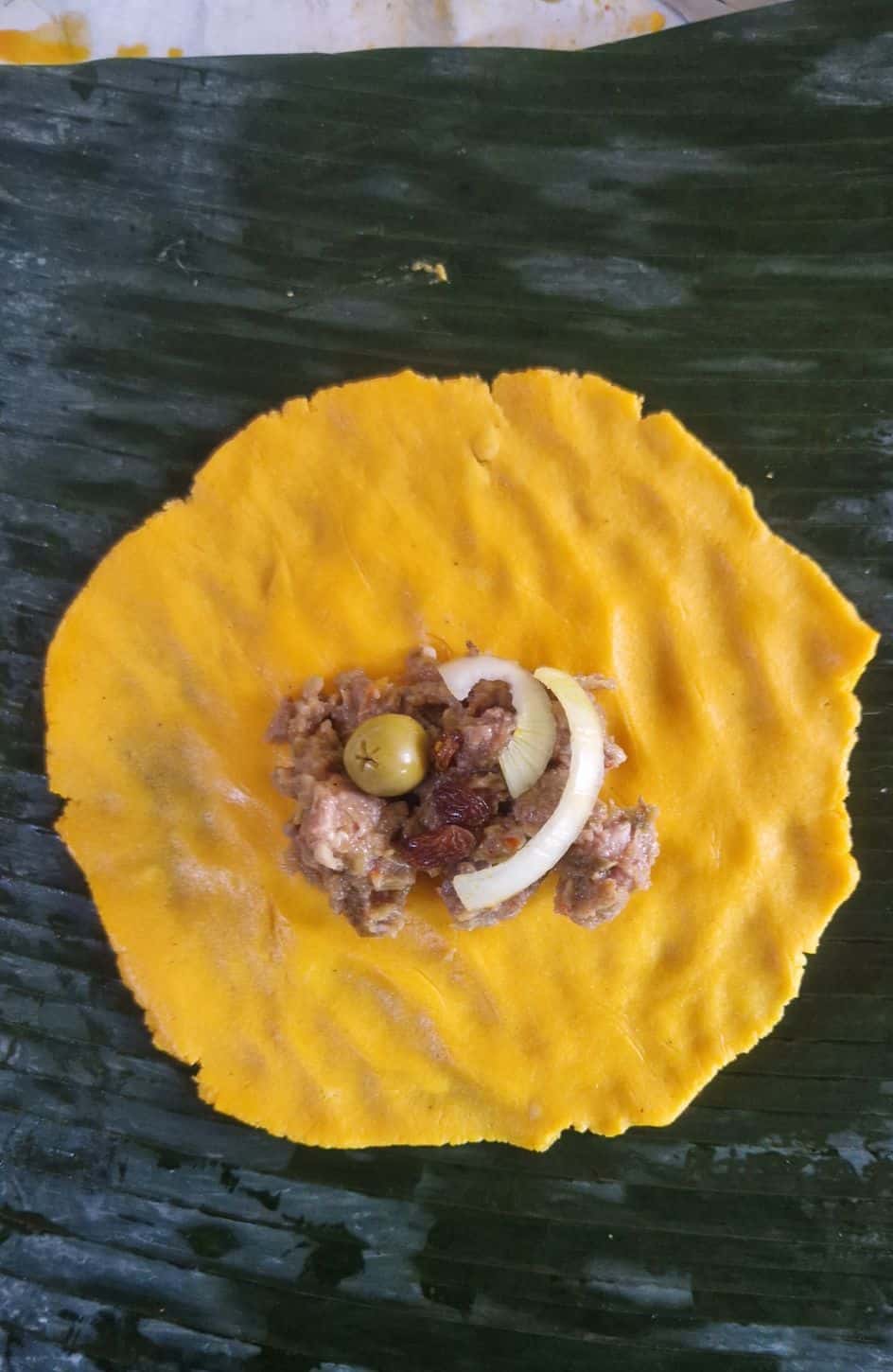
  • Filling: The filling is a savory mix of various meats (usually beef, pork, and chicken) along with vegetables like onions, garlic, bell peppers, and sometimes tomatoes. Olives, capers, raisins, and hard-boiled eggs are often added, giving the hallaca a sweet and salty flavor combination.
  • Seasonings: The filling is typically seasoned with oregano, cumin, and paprika. The combination of flavors reflects the blend of indigenous, African, and Spanish culinary traditions.
  • Wrapping: The hallacas are wrapped in plantain leaves, which are used to hold the dough and filling together while steaming. The plantain leaves also impart a subtle flavor to the dish during cooking.

Making Hallacas:

The process of making hallacas can be quite labor-intensive, which is part of why it has become a social tradition. The preparation involves several stages, including:

  1. Cooking the meats: The meats are usually stewed or boiled with various seasonings, then shredded.
  2. Preparing the dough: The cornmeal dough is mixed with broth, annatto, and other seasonings to create a soft, flavorful base.
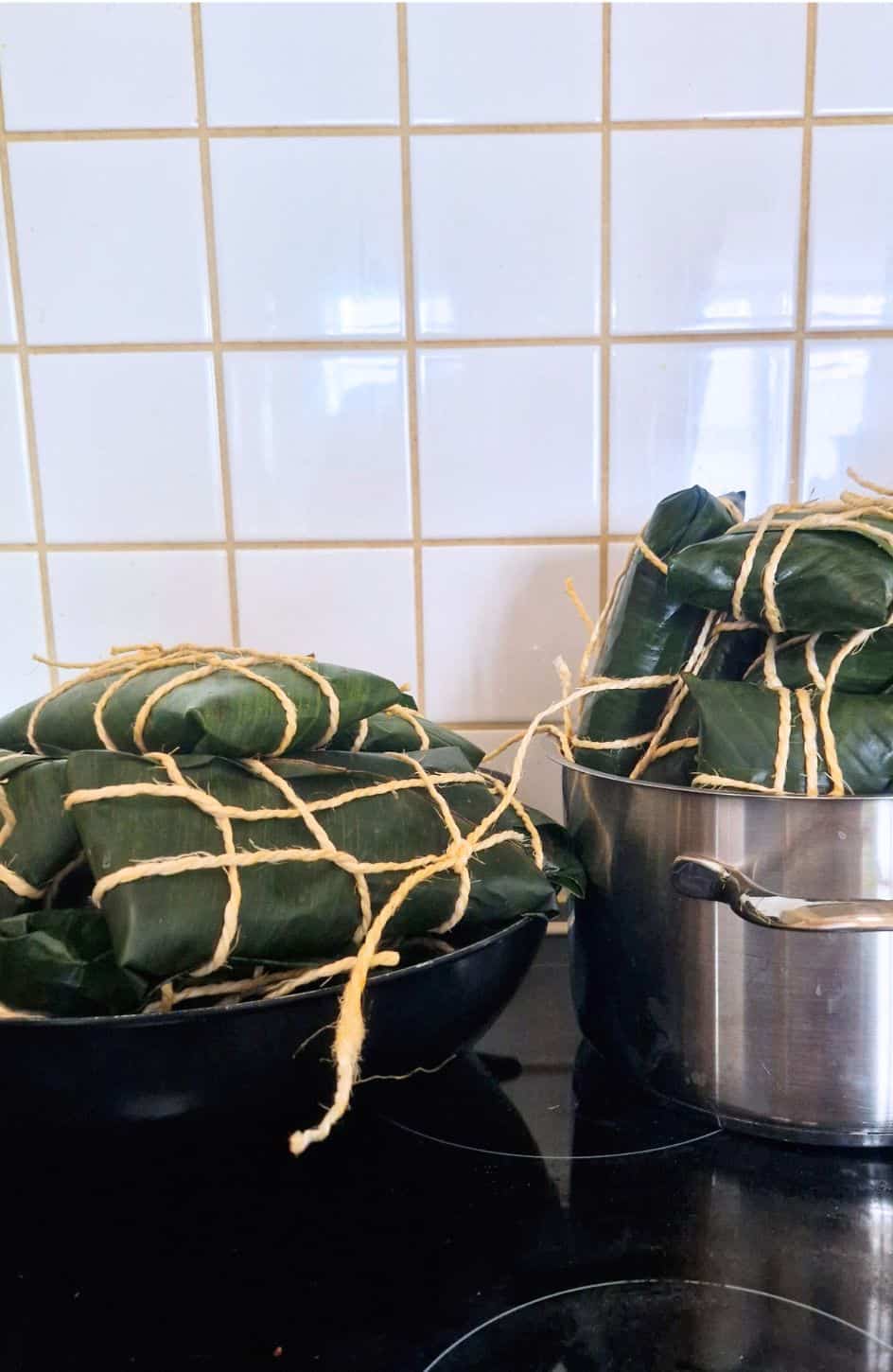
  3. Assembling the hallacas: A small portion of the dough is spread out on a plantain leaf, and a spoonful of the meat filling is placed on top. The hallaca is then folded and wrapped tightly in the leaf before being steamed or boiled.
  4. Cooking: Hallacas are typically steamed for several hours, allowing the flavors to meld together.

Hallacas and Christmas:

In Venezuela, hallacas are particularly associated with Christmas and are often served as part of the Christmas Eve feast (La Nochebuena). Preparing and sharing hallacas during the holiday season has become a symbol of family, togetherness, and cultural identity. In fact, making hallacas is such an important tradition that many families will begin preparations weeks in advance, and it’s common for large batches to be made at once to feed friends and extended family.

The process of making hallacas is also a reminder of Venezuela’s diverse cultural influences. Each family may have its own variation of the recipe, adding unique touches to the dish. Some might use different meats, spices, or vegetables, making each batch of hallacas a little different from the next.

Cultural Significance:

Beyond being a festive dish, hallacas are a symbol of Venezuelan culture and heritage. They represent the fusion of indigenous, African, and European influences that make up the country’s identity. The communal act of making and sharing hallacas brings people together, reinforcing the values of family, community, and tradition. In many Venezuelan homes, the holiday season would feel incomplete without them.

Hallacas are also a point of pride for Venezuelans, both at home and abroad. For many Venezuelans living outside the country, preparing and sharing hallacas during the holidays is a way to maintain a connection to their roots and to share their culture with others.

Hallacas are much more than just a traditional holiday meal. They are a culinary embodiment of Venezuela's history and culture, bringing together influences from indigenous, African, and Spanish traditions. The process of making and sharing hallacas with family and friends is a cherished holiday tradition, and the dish remains a powerful symbol of Venezuelan identity and the joy of togetherness during the Christmas season.

Hallacas, Venezuelan traditional christmas dish

The Origins of Christmas

The origins of Christmas can be traced back to the early Christian era. The birth of Jesus Christ, believed to be the son of God, is the central event that gave rise to this joyous celebration. According to Christian belief, Jesus was born in Bethlehem over two thousand years ago. The Bible narrates the story of the birth of Jesus in the New Testament, which lay the foundation for Christmast as we know it today.

The Evolution of Christmas Traditions

Over the centuries, Christmas has evolved and assimilated various cultural traditions, making it a truly global celebration. One of the earliest traditions associated with Christmas is the decoration of evergreen trees. This practice can be traced back to ancient civilizations such as the Egyptians, who believed that evergreen trees symbolized eternal life. The tradition was later adopted by Christians to represent the everlasting life brought by Jesus Christ.
Another popular Christmas tradition is the exchange of gifts. This tradition has its roots in the story of the Three Wise Men, who presented gifts to the infant Jesus. Today, gift-giving is a symbol of love, generosity, and sharing, bringing joy to both the giver and the receiver.

The Significance of Christmas

Christmas holds immense religious and cultural significance for Christians worldwide. It is a time for reflection, gratitude, and worship, as believers commemorate the birth of Jesus Christ. The celebration also serves as a reminder of the values taught by Jesus, such as love, compassion, and forgiveness.
Beyond its religious significance, Christmas has also become a time for families and communities to come together. It is a time of joy, laughter, and creating lasting memories with loved ones. The festivities often include special meals, carol singing, church services, and various cultural activities that vary from region to region.

Christmas Traditions Around the World

Christmas is celebrated in different ways across the globe, each with its unique customs and traditions. In Mexico, for example, the nine-day celebration of "Las Posadas" reenacts Mary and Joseph's search for a place to stay in Bethlehem. In Germany, the advent wreath is lit every Sunday in December, signifying the forthcoming arrival of Christ.
In some parts of South America, it is customary to light fireworks and engage in vibrant street processions during Christmas Eve. Meanwhile, in the Philippines, the "Simbang Gabi" or "Night Mass" is a series of pre-dawn masses that culminate in the "Misa de Gallo" on Christmas Eve.

Christmas is a celebration that brings together millions of people around the world in joy and reverence. From its humble origins to its global significance, this holiday has captured the hearts and minds of believers for centuries. As we exchange gifts, share meals, and create cherished memories, let us remember the true spirit of Christmas and embrace the values it represents – love, peace, and unity.

CARLOS JAIMES VENEZUELAN MODEL’S JOURNEY: FROM PROTEST TO FASHION FAME

CARLOS JAIMES VENEZUELAN MODEL’S JOURNEY: FROM PROTEST TO FASHION FAME

Venezuelan Model

From political persecution to international fashion runways, this is the extraordinary journey of Carlos Jaimes, a Venezuelan model whose life has been shaped by both unimaginable hardship and relentless determination. What began as a peaceful student protest against injustice in Venezuela quickly escalated into a terrifying confrontation with a repressive regime, one that would alter the course of his life forever.

Arrested, tortured, and imprisoned for daring to speak out, Carlos endured one of the darkest chapters any young person could face. But even after being forced to flee his homeland, the fire to rebuild never left him. In exile, he found healing through martial arts, and eventually, an unexpected opportunity to reinvent himself in the world of fashion.

In this candid interview, the Venezuelan model opens up about his time in prison, the trauma of political persecution, and the long road to reclaiming his identity. From being labeled an enemy of the state to becoming the face of international campaigns, Carlos’s transformation is both powerful and deeply personal.

More than just a career in front of the camera, his success as a Venezuelan model represents survival, strength, and the ability to turn pain into purpose. His story is a testament to courage, personal growth, and the pursuit of dreams, even in the face of unimaginable adversity.

What led you to protest against the government?

In 2014 when the protests started I was in the university, The country was going through many economic, political, and social problems, where countless injustices had been committed against the people and where it was proven that the rule of law did not exist, yet they held the power.
So I decided to raise my voice because I believed that doing so would help my country get out of this huge problem. I believed there was a fight to be fought, and as a Venezuelan, I should take responsibility to help.

What happened after the neighbors reported you to the police?

In Venezuela, providing information to the government about dissidents is rewarded. They call it "TUN TUN OPERATION."
In my case, one of the neighbors in my building contacted the regime authorities, and intelligence forces immediately arrived at my house and they took me out me like a criminal.

Can you share what your experience in jail was like, and how it affected you?

Before arriving at the "Alayon" detention center, I spent two days in the state intelligence cells, where I was physically and psychologically tortured.
There, I stayed for 40 days in what I call "hell on earth," a place where life is worthless, where everyone is heavily armed, and horrors are a daily occurrence.Cells that were built for 20 people had more than 80. The heat was excruciating, the smell indescribable, and the conditions were deplorable.
During my time inside, I lived through three riots, where I was caught in the middle of gunfire and saw people being killed and injured. That was the first time I saw a dead body.
The longest 40 days of my life.

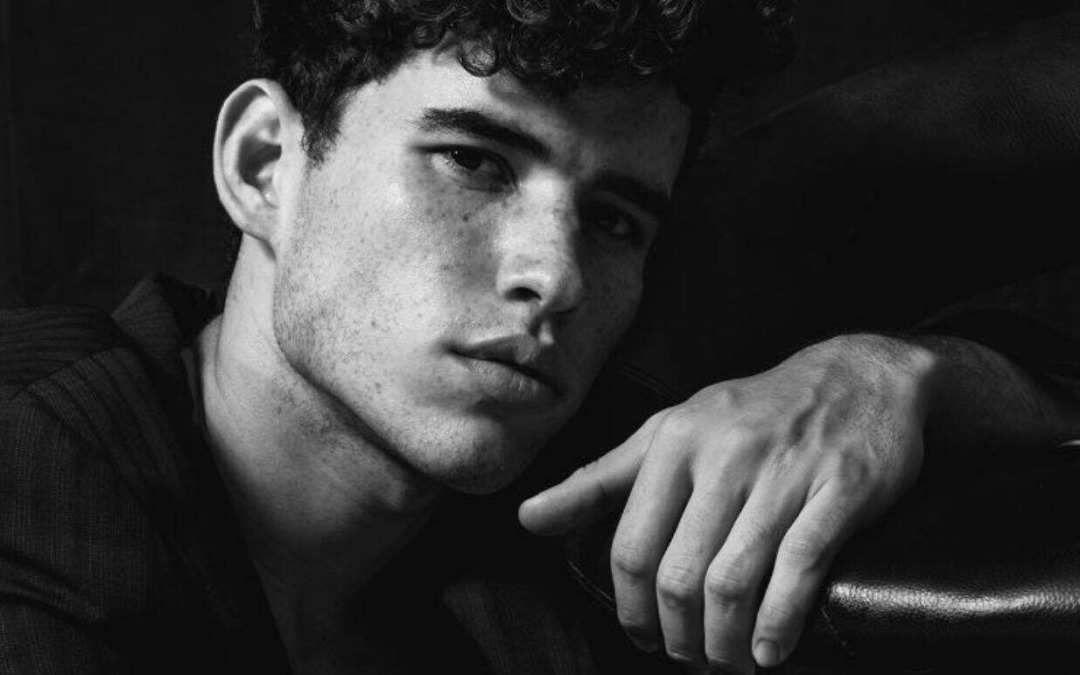
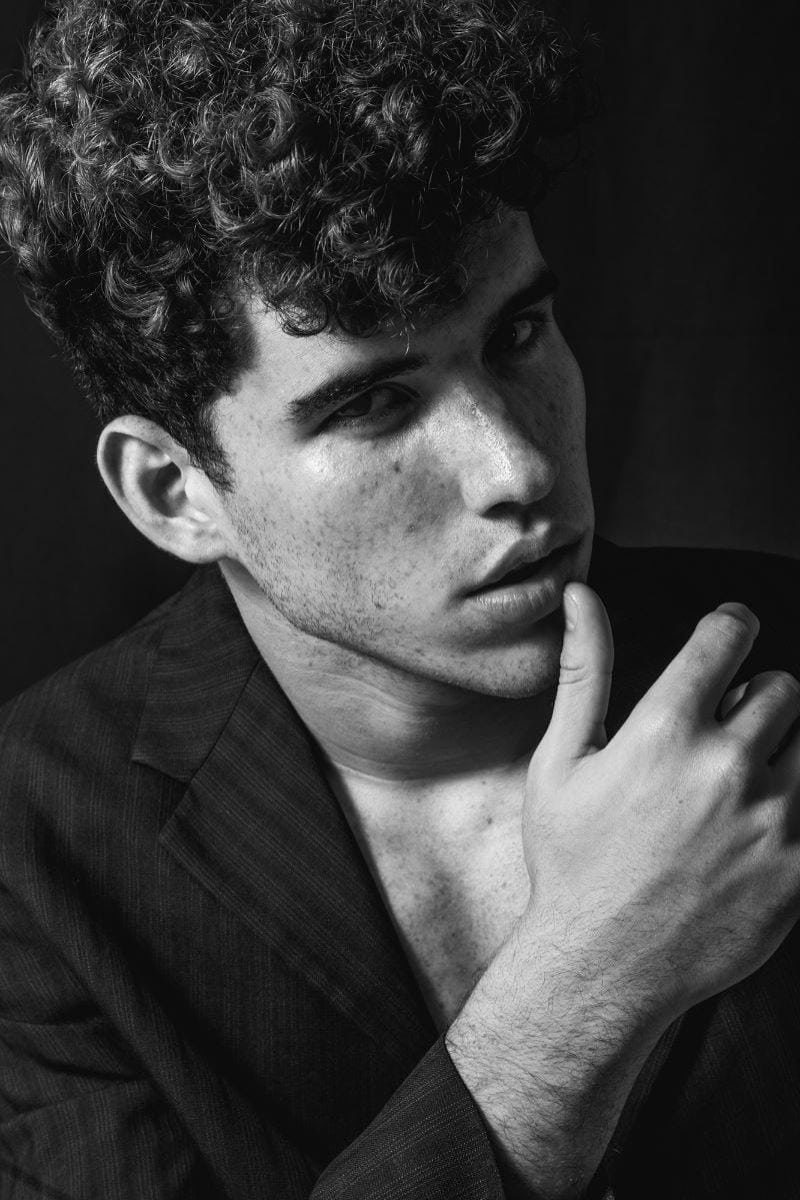
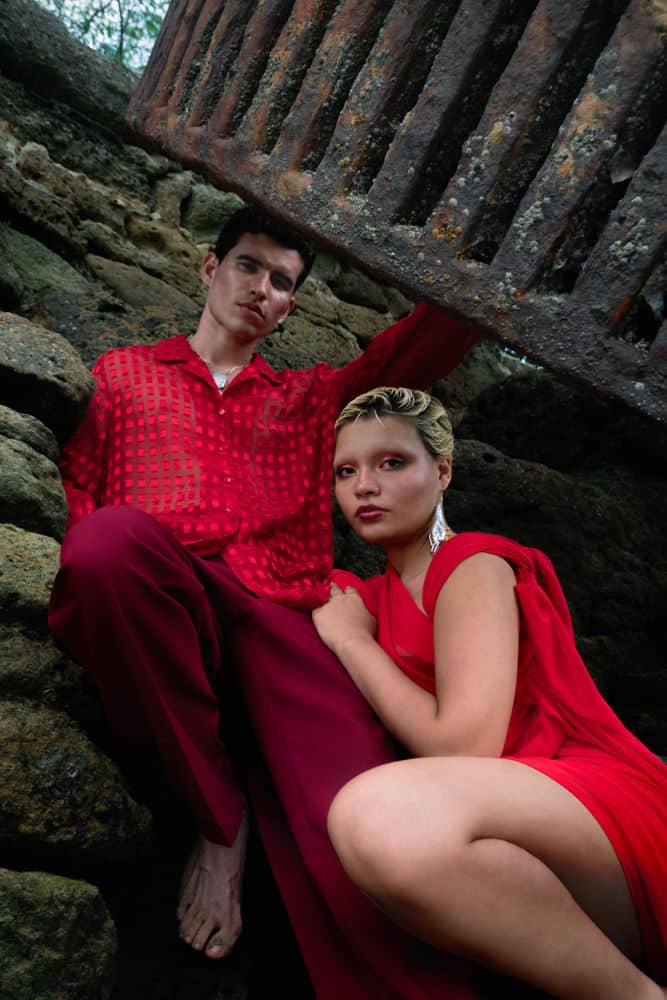
Venezuelan model Carlos Jaimes on set

How did you find the strength to move forward after your release?

At first it was extremely difficult to move on, my mind was still processing everything even months after my release, sleepless nights and the constant fear of being taken away again.

Reading was the most important tool that helped me move forward, Biographies, self-help, philosophy and some psychology, In the books I found a guide to life.

Why the Venezuelan model had to leave his home country

The decision to leave the country was absolutely necessary. Once you fight against the government, you have no peace. Your only option is to leave.
A very good friend was already living in Panama and told me to move there. It was the best decision of my life.

How were you discovered as a model there?

I've trained in martial arts all my life, which I continued when I arrived in Panama. At the weigh-in for my first fight in Panama, the league uploaded a photo to their social media. This caught the attention of a photographer (I was quite thin at the time). He contacted me and asked if I was interested in doing a test shoot.
At first, I refused because I knew absolutely nothing about the modeling world. After a few weeks, I accepted, and we took the photos. The results were so good that I connected with a small Panamanian agency called P2 Models (which no longer exists). They taught me everything I needed to know about modeling, teachings that, with all my experience, I continue to put into practice to this day. I'm very grateful to them.

What was it like transitioning from survival mode to walking runways and modeling for big names?

During the first years of my modeling career, I didn't experience any sudden changes in my daily routine because rates in Panama are extremely low, and a model can't make a living solely from modeling. So, modeling was a project I built little by little with perseverance until the time came for an international agency to show interest in me.
That moment came four years later when my Mother agency Gustavo Granados Management, signed me. They are responsible for my modeling career being where it is and im so grateful with them.

What does this journey mean to you personally, looking back at where you started?

My path reminds me every day that I must continue forward no matter how difficult it seems to continue, there will always be a reward after overcoming an obstacle.

Do you still feel connected to Venezuela’s struggles, even while living abroad?

The first few years outside of Venezuela it was difficult to disconnect from everything happening in the country, but I realized that, to grow I had to let go, focus on all the projects I was working on, and grow as a person. Currently, I'm completely disconnected from any political struggle in Venezuela.
I gave everything to Venezuela while I was there, and I lost. I risked not only my life but the lives of everyone around me. They don't just look for those who fight, they look for everyone close to everyone who fights against them. My fight in Venezuela is over.

What message would you like young Venezuelans, or young people facing hardship anywhere, to take from your story?

Believe in yourselves, no matter how difficult you think your current situation is, you will always find a light at the end of the tunnel.

Do you remember your very first casting or fashion show? What was that experience like?

My first casting was for Panama Fashion Week, it was like going to school for the first time, you don't know anyone, you feel like you don't belong there and that knot in your stomach of fear of the unknown, but it went extremely well, all the men's brands selected meand a week after i make a runway for them.

Who are the designers or brands you dream of working with in the future?

In my years as a model, I've become more interested in commercial campaigns than fashion campaigns, so one of my biggest goals as a model is to do a big campaign with a sports brand like NIKE.
And if we're talking menswear, it would be a dream to work on a campaign for HUGO BOSS.

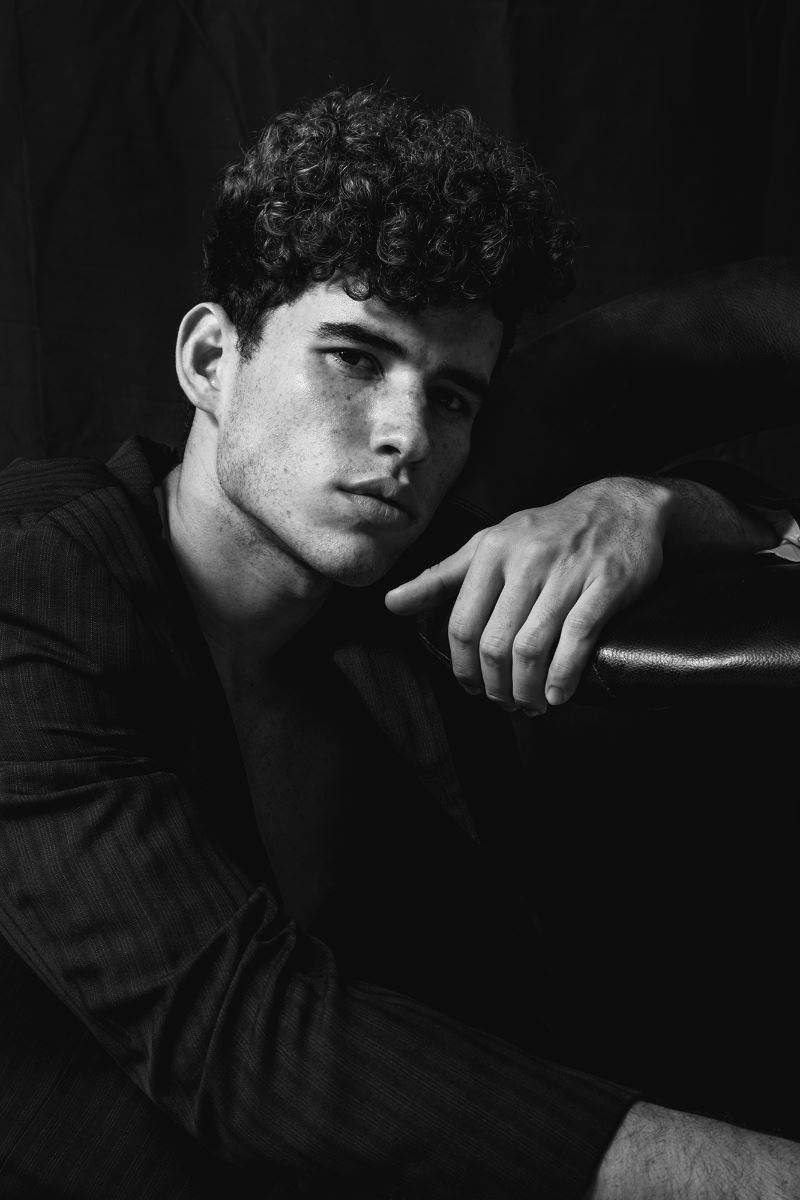
Venezuelan model Carlos Jaimes on set

Modeling can be very demanding what’s the most challenging part of the job for you?

Accepting rejection. People think the hardest part of modeling is posing or maintaining a low-calorie diet to stay fit, but no, the hardest part is accepting rejections at every casting call when you're not selected.
After I started accepting rejection positively without it affecting me, I started getting a lot of jobs. It's all about the attitude.

And what’s the most rewarding part?

Every time I see myself representing a brand, whether small or large, with my image, I feel proud of who I am and what I stand for. There's nothing better than feeling proud of ourselves.

How do you prepare physically and mentally before a big show or campaign?

Physically, I try to maintain a diet that matches the goals of the campaign or show, and mentally, I imagine myself having already completed the campaign or show and everything going well.
Confidence is reflected in our work.

Have you had a “pinch-me” moment in your career so far, where you couldn’t believe it was real?

The first time I worked on a campaign in Turkey, it was the first time I'd ever worked outside of Latin America. I couldn't believe a brand would pay $1,600 for a single day. I couldn't believe it; I felt like all the work beforehand had been worth it.
Years later and much bigger shoots later, I still remember that day with great joy.

Carlos Jaimes’ story is more than just a personal triumph, t's a powerful reminder of what the human spirit can achieve. As a Venezuelan model, he continues to inspire others with his resilience and dedication.

For more information please visit: Carlos Jaimes and @Carlosjaimes


Photo Credits:

Photo 1 & 2:
Fotografa Yassel Chapman @yassellchapman
Photo 3 & 4:
Location: Isla Taboga Panamá
Photograph: Isabel Pérez @isapleon2
Styling: Coco Vivas @ccocad
Photo 5:
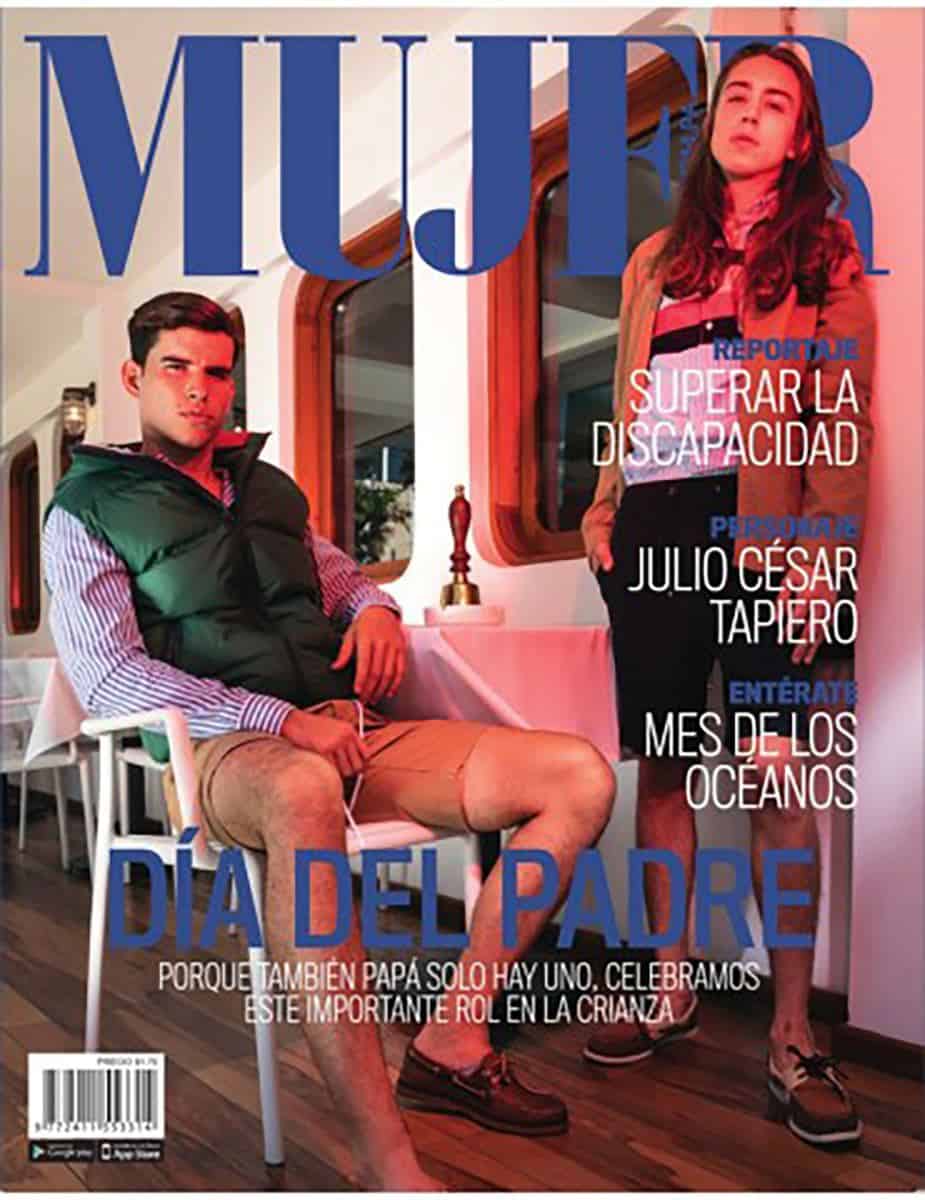
Portada para Revista Mujer! Edición junio 2019
Full look: @tommyhilfiger
Photo: Daniela Castro
Art Direction:Arianna Daze
HMA: Dagmar Arosemena
Style: Andrea Ribot


EXCLUSIVE INTERVIEW WITH FASHION ILLUSTRATOR BELLA

EXCLUSIVE INTERVIEW WITH FASHION ILLUSTRATOR BELLA

Fashion Illustrator

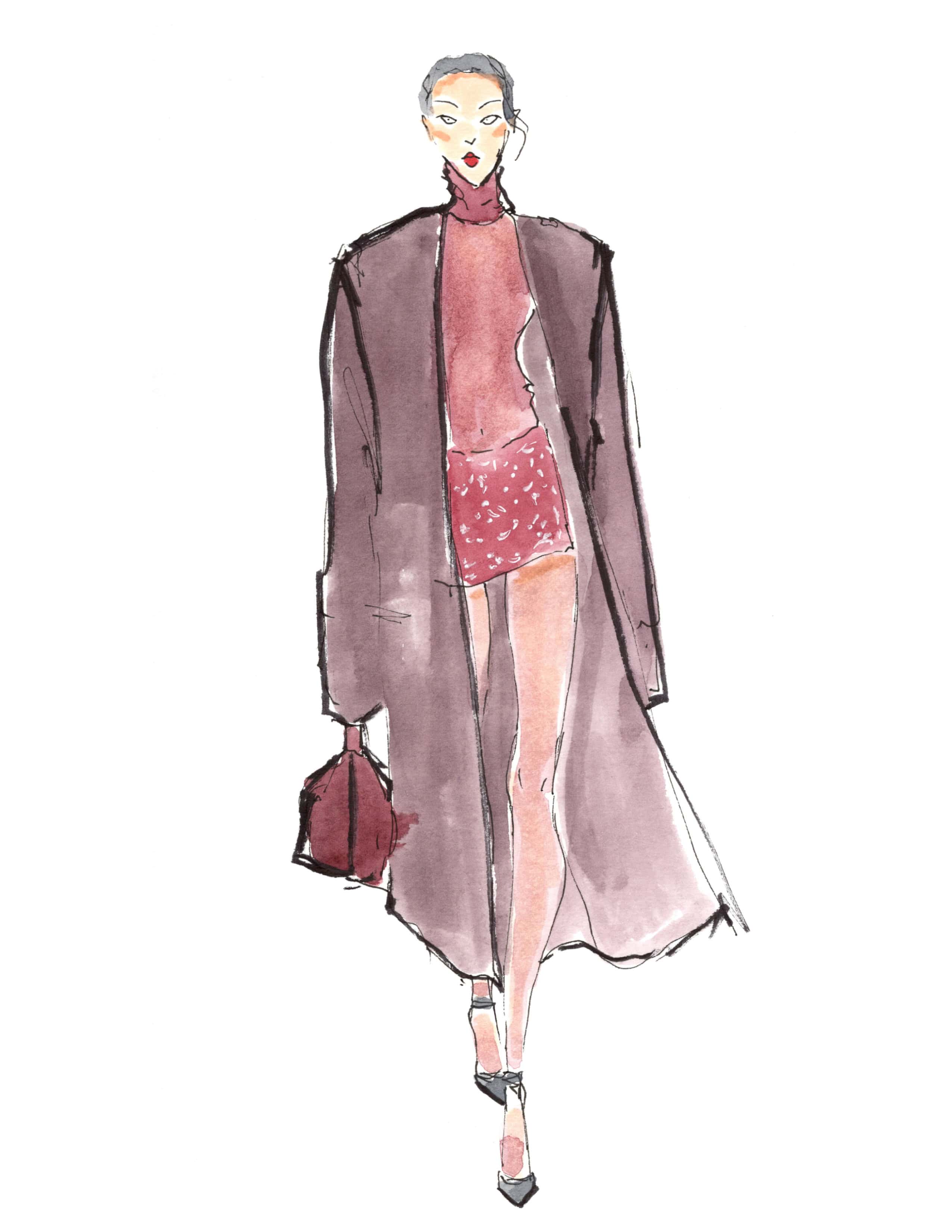
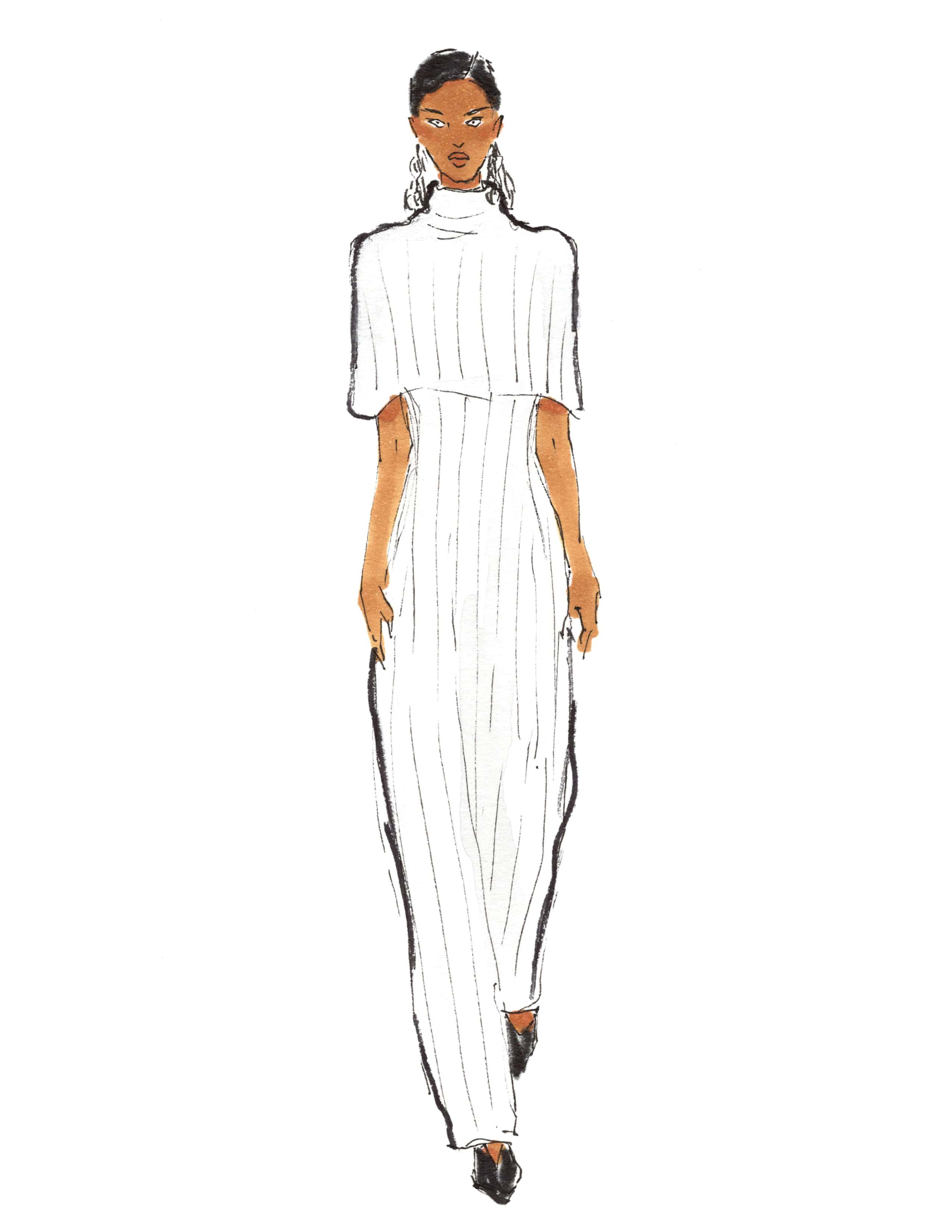
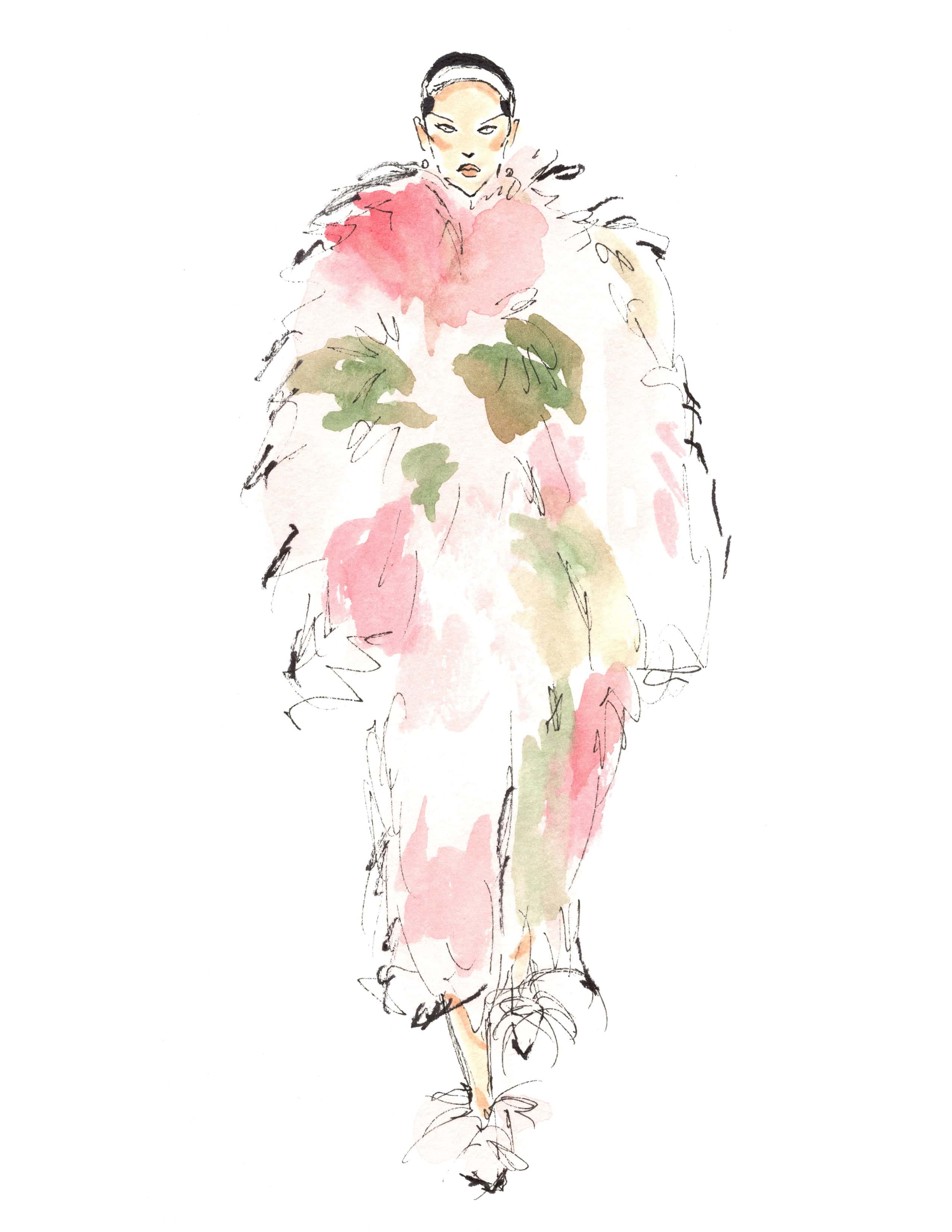
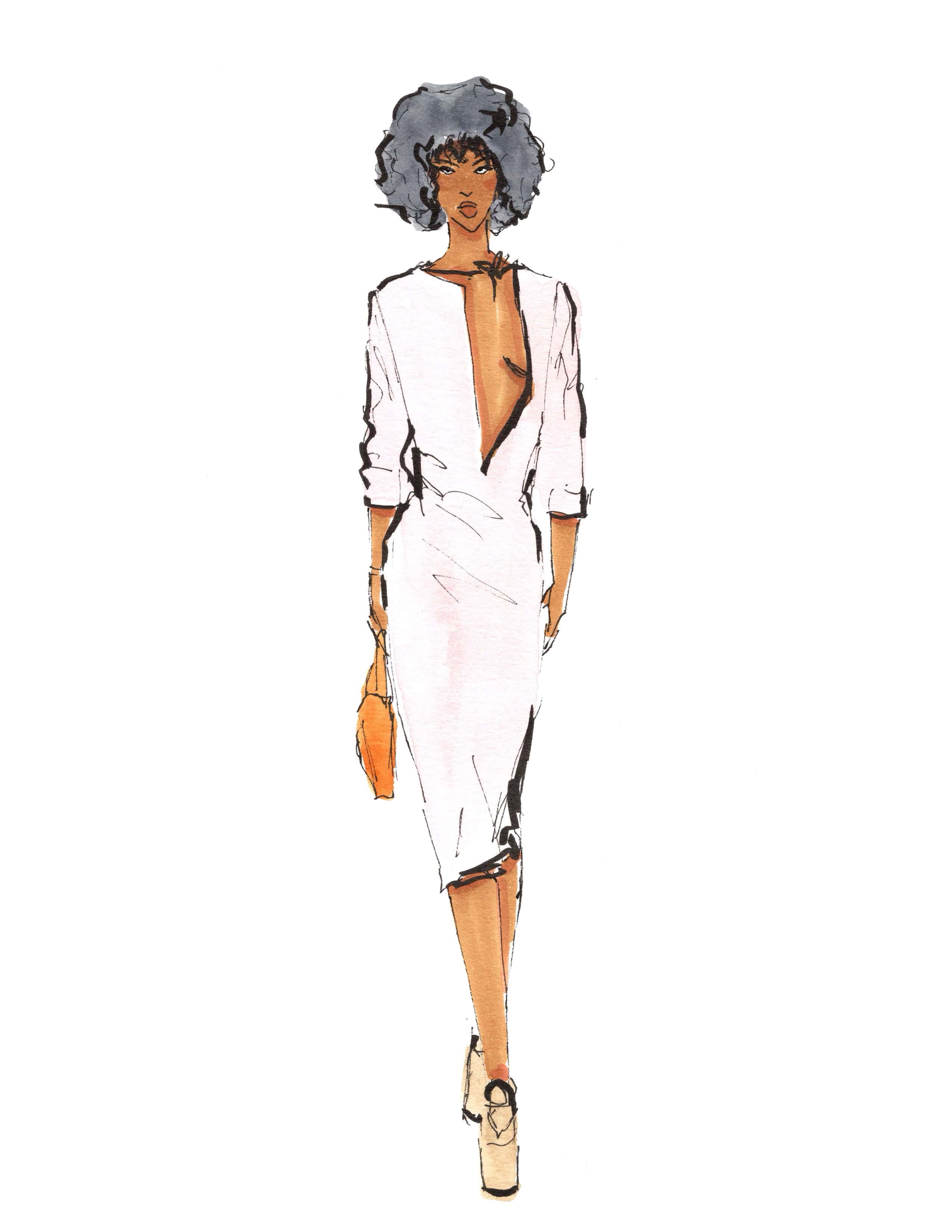
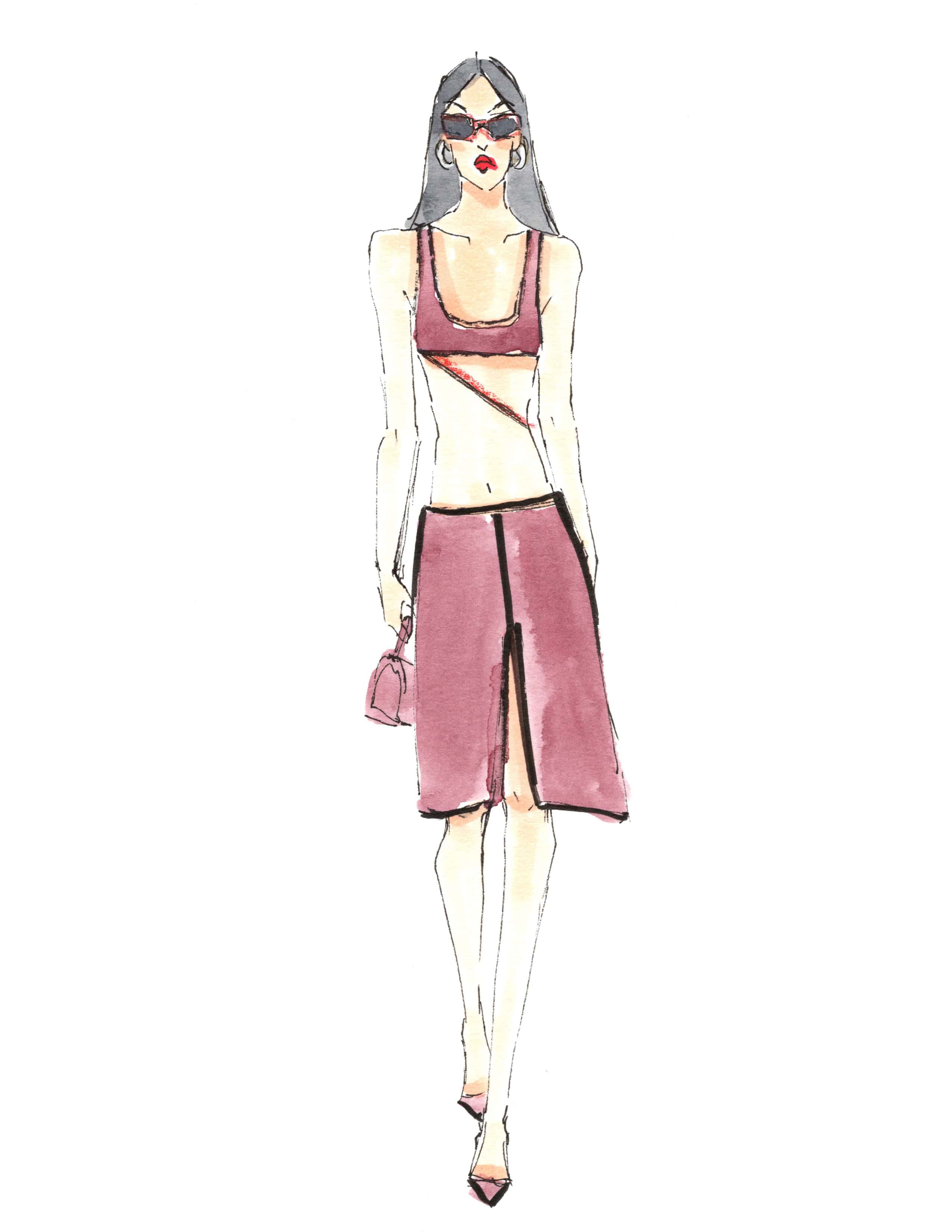
Today, we have the pleasure of speaking with Saikhantsetseg Tserendorj, Bella, an illustrator whose work seamlessly blends raw emotion with bold expression. With a foundation rooted in traditional mediums and an ever-growing exploration of abstraction, Bella’s art captivates through its energy, spontaneity, and a deep connection to the world around her. Whether sketching at live events or working in the studio, Bella’s passion for capturing moments in real time shines through, pushing the boundaries of what illustration can be. Bella, thank you for joining us today.

Bella, can you tell us how your journey as an illustrator began?

I’ve always loved sketching, but what really drew me in was the magic of traditional mediums. There’s something about holding the paper, feeling the texture, and letting the lines unfold in real time that connects me deeply to my work.

You’re inspired by artists like Picasso, Basquiat, and Cy Twombly. What about their work resonates with you most?

Their fearlessness. Each of them expressed themselves without holding back, raw, bold, and unapologetic. That strength and individuality inspire me to embrace imperfection and to allow my work to carry energy and emotion, rather than just precision.

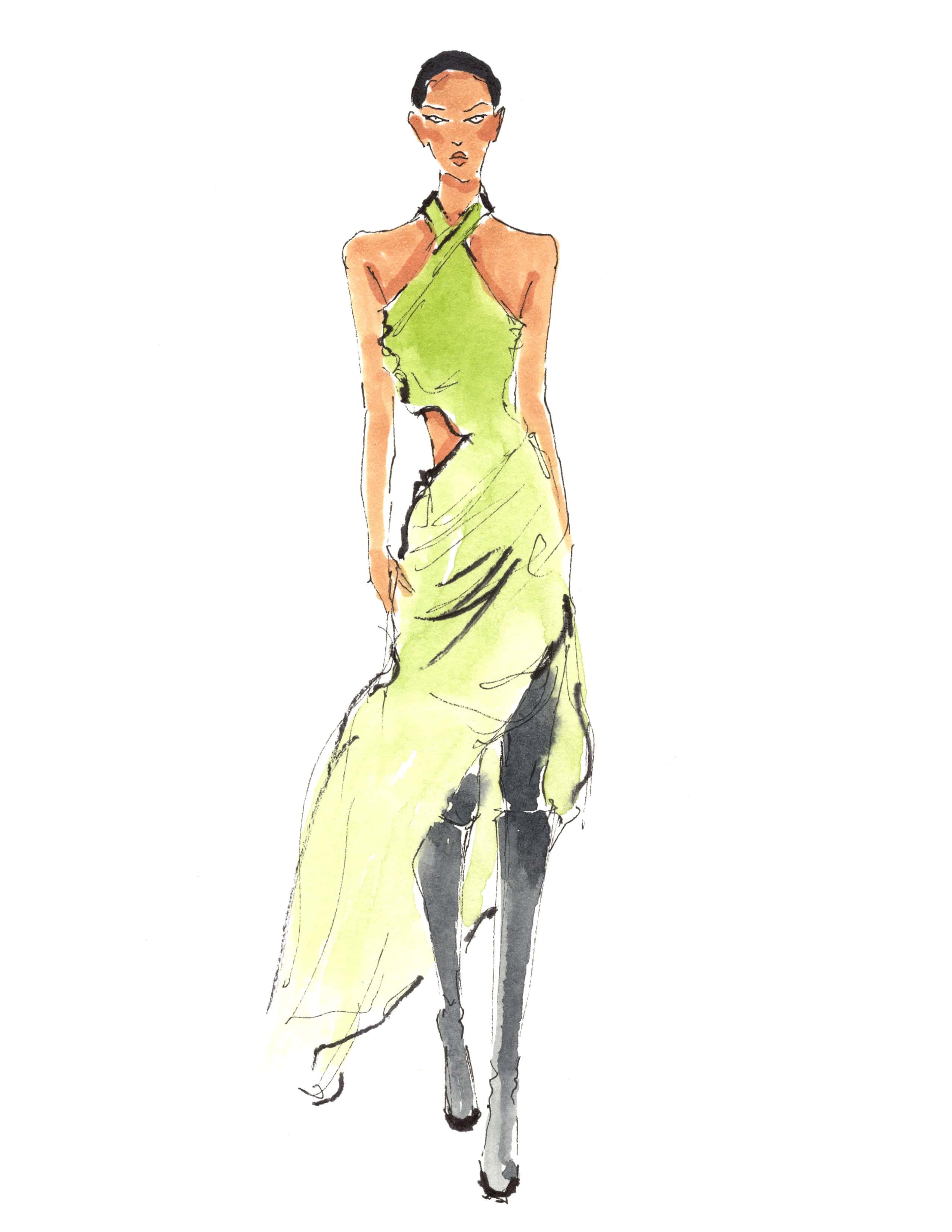
Bella, an illustrator whose work seamlessly blends raw emotion with bold expression

Right now, you’re focusing on smaller pieces. Why this format, and do you see your work evolving in size or style?

Smaller works feel intimate and immediate. They’re almost like little conversations on paper. But I’m definitely drawn to the idea of scaling up, especially as I explore abstract expression. Larger canvases allow for more movement, gesture, and physicality—which excites me.

Event sketching seems to play a big role in your practice at the moment. What drew you to this field?

I love the spontaneity of it. Every event is alive, unpredictable, and full of stories. Capturing people, fashion, and atmosphere in real time pushes me to be present and quick on my feet. It’s not just about creating art, it’s about celebrating the moment with the people who are there.

Bella, an illustrator whose work seamlessly blends raw emotion with bold expression

What do you enjoy most about live event sketching compared to working in the studio?

It’s the energy. In the studio, I’m alone with my thoughts and process, which I love. But at events, I get to connect with people. Their reactions, their excitement, it becomes part of the artwork itself. Each sketch feels like a memory preserved, both for me and for the people I draw.

Where do you see your art heading in the next few years?

I’d love to explore larger, more expressive works that combine the immediacy of sketching with the boldness of abstract art. I see myself experimenting more with color, texture, and scale while still keeping that raw, human touch at the center of everything.

Finally, what do you hope people feel when they experience your art?

I hope they feel connection, whether it’s to the energy of a moment, to the daring spirit of creativity, or even to a memory of their own. Art, for me, is about reminding people of the beauty of being alive, right here and now.

For more information, please visit: Bella IG