BALENCIAGA HANDBAGS

BALENCIAGA HANDBAGS

Balenciaga Handbags

Today's post is all about Balenciaga Handbags, and why we love them so much. Balenciaga Handbags use the best of distressed Italian goat leather to give it that slouchy one of a kind look everyone loves. The most known Spanish Fashion designer, Cristobal Balenciaga is certainly the guru of the style industry. His classic models have inspired the fashion industry through the twentieth century and continue to exert influence today.

In 1986, the House of Balenciaga was own by Jacques Bogart S.A. Since 1997 Nicolas Ghesquiere was the surprise choice to be the creative director of Balenciaga. Nicolas Ghesquiere was 25 years old, and his talent was discovered when he designed a small collection for one of their Japanese licenses. Nicolas is well known for his sense of ‘’silhouette’’ and his work soon turns Balenciaga into a critically acclaimed Fashion house; since 2013 Nicolas Ghesquiere has joined Louis Vuitton replacing Marc Jacobs.

Today Balenciaga, is owned by the French company Kering, and his actual creative director is Alexander Wang, and he presented his first collection on February 28, 2013at the Paris Fashion Week.

Balenciaga purses and handbags leathers are lightweight, durable and extraordinary. These handbags aren't only stylish, but they are functional as well. They come in an array of shades like sky glowing blue, bubblegum pink, navy, pewter, apple green, and magenta. They also come in various styles and sizes to meet any need.
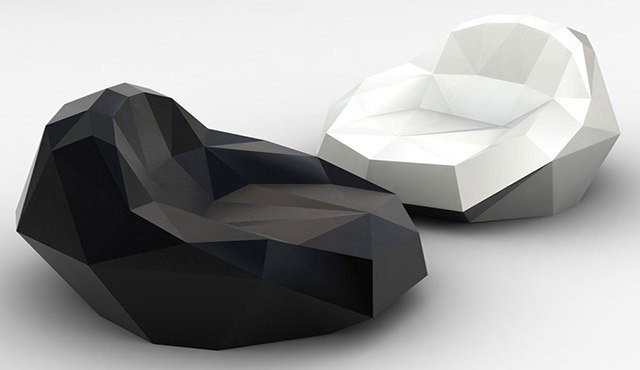
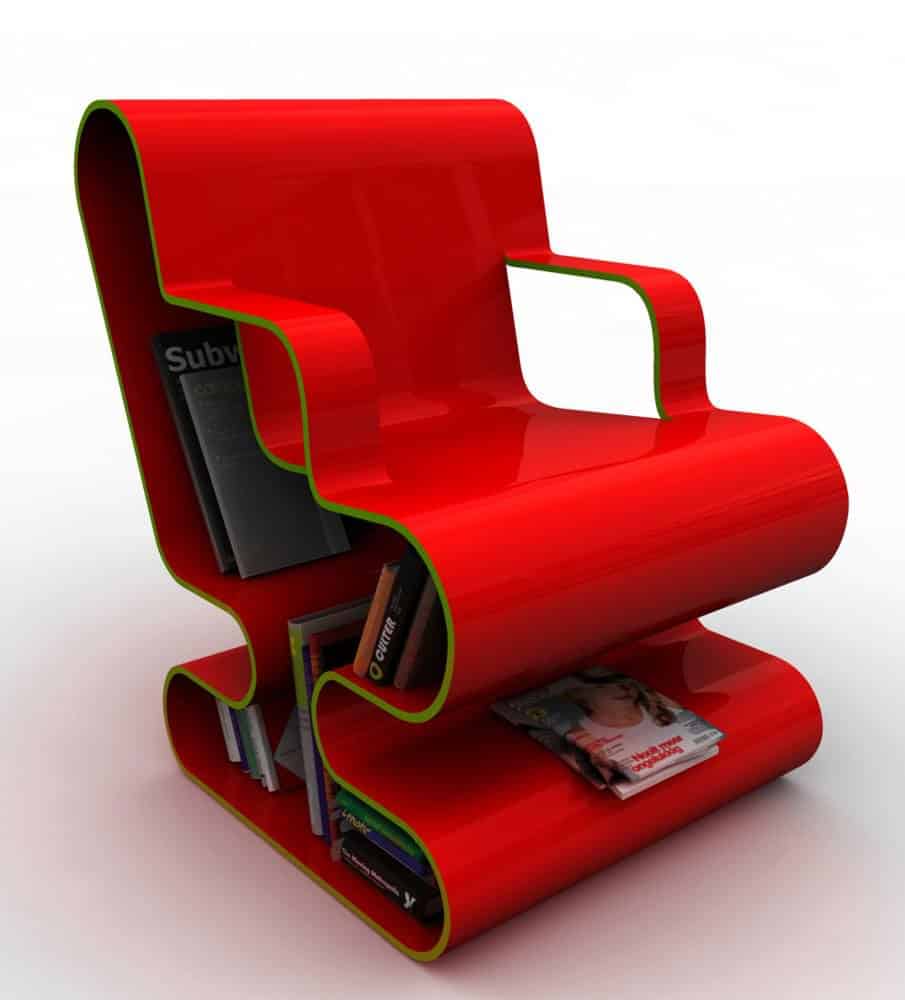
THE FUTURISTIC DESIGN OF SOLOVYOVDESIGN

THE FUTURISTIC DESIGN OF SOLOVYOVDESIGN

Futuristic Design

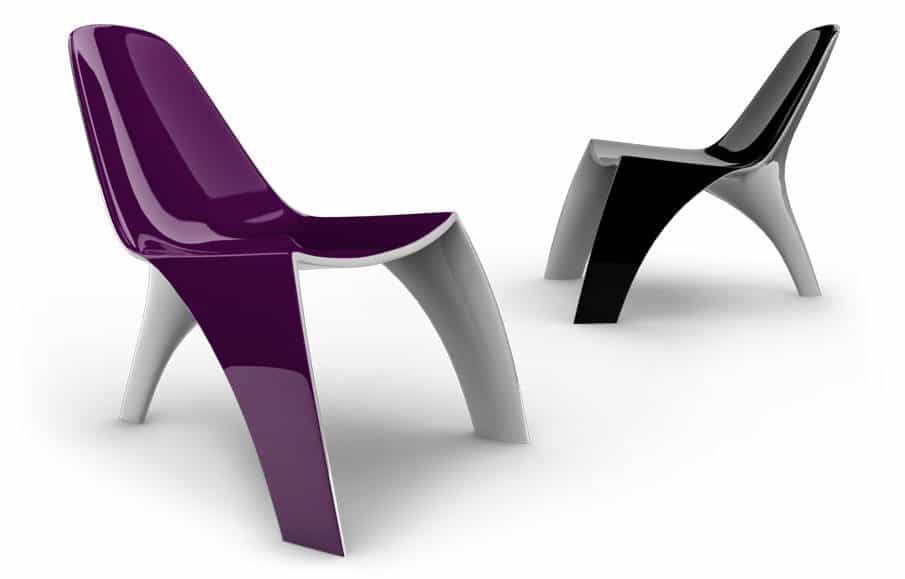
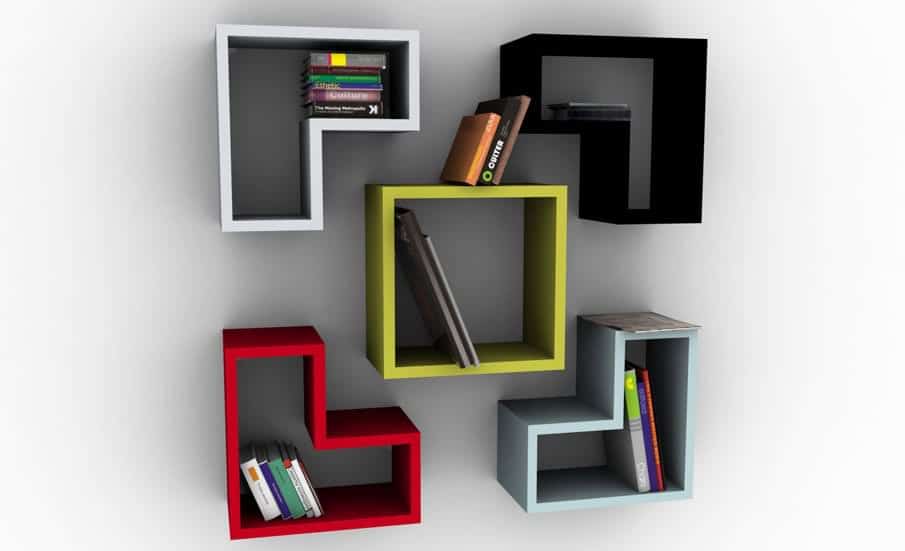
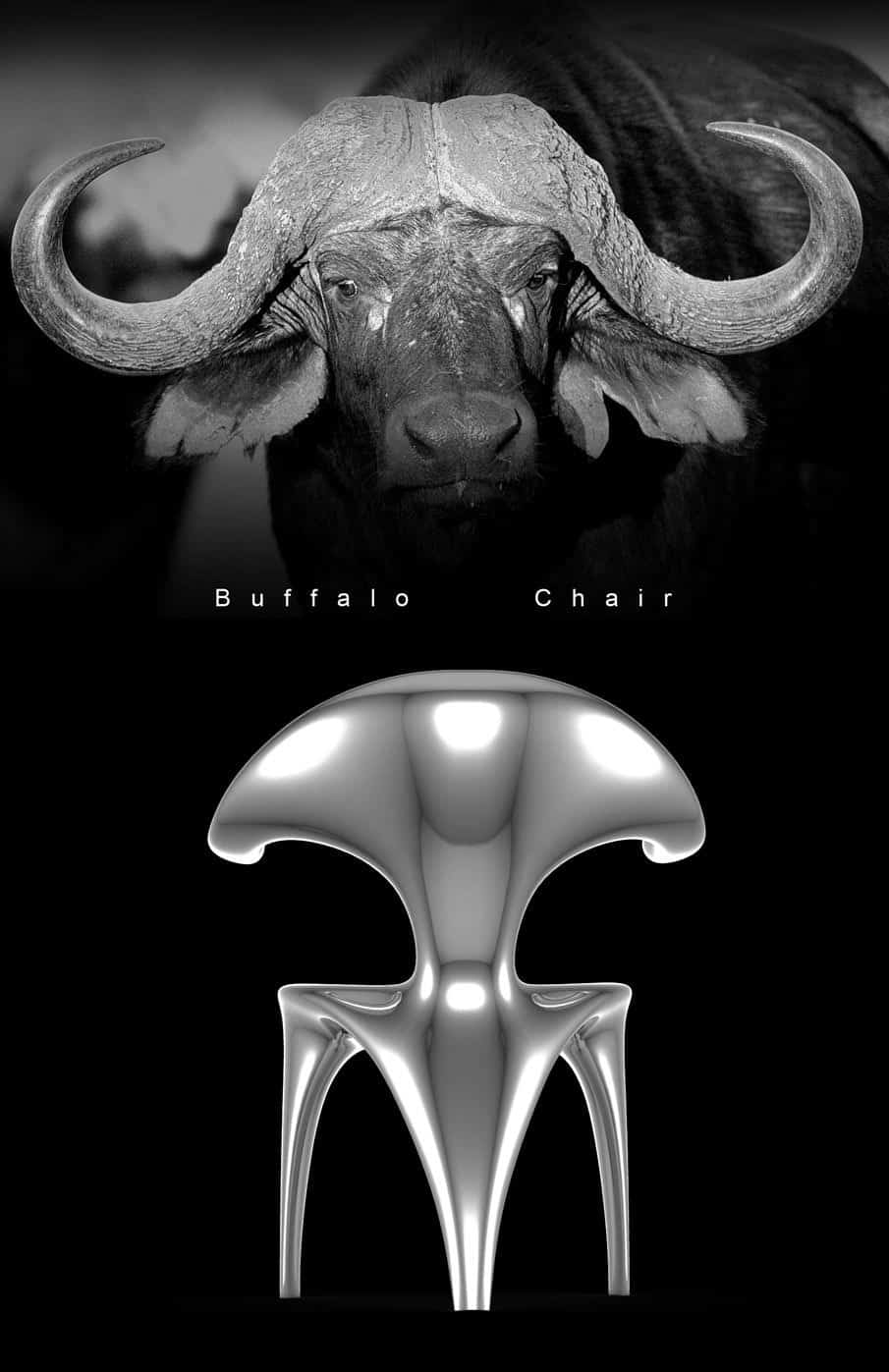
Solovyovdesign is a brand from Belarus, dedicated to industrial design. Igor and Maria have a genius concept at the moment when they create and design new gadgets. Under their creation, we can find minimalist furniture with an impeccable design, which is simultaneously beautiful and useful with a futuristic touch.

We had the opportunity to talk with them and discover more about the Solovyovdesign, and how is the creative process of Igor and Maria.

Tell us a little bit about yourself?

We are – Maria and Igor Solovyov – industrial designers, based in Minsk, Belarus. We do product design. At Solovyovdesign, our purpose is to create useful, emotional and beautiful objects with the finest craftsmanship. We value collaboration, and we are interested in working with manufacturers worldwide.

How the idea of Solovyovdesign start?

It was just the prolongation of what we have been doing. We always thought about something like this. In the beginning, it was portfolio-site with our ideas and concepts. Over time, it became more serious with the reflection of our creative life and realized projects. Now you may see not only just works but press awards, and events section as well (with exhibitions, interviews, lectures, and other info).

How would you describe your style?

I would say it is less about the style or shape and more about the feeling. We are trying to do emotional things. We are eager for our objects to have a response in the soul of people. This is our goal. That’s why we may do biomorphic or minimalistic or any other shape in our projects. It depends not on the trends, but on the essence of the object.

Where did you find your inspiration?

Inspiration is everywhere. Life is the best inspiration). When you are thinking about any project, you may be inspired by anything: falling leaves in the window or unusual shadow of any object or music or anything else. It depends on your mood.

Describe your creative process?

The first is the analysis. We are trying to understand “what are we do” as designers in the task. Will we be able to do a project with added value, achieve the effect we want? If yes, we move forward and find the idea. And this is the hardest part of the process. Because when the idea is found, the rest is technique.

Which was your first design?

It is hard to say, because we did lots of good projects while studying at university, including diploma’s work, but the first success realized the project was “Kuvshin” cosmetic packaging. The company I designed it for, got the gold medal at Rosupack Fair 2004 and produced its millions of items during the years.

Which materials do you use?

We like to work with different materials because every material has its unique properties and allows achieve different qualities of the objects. And this is very inspiring. But in the present day, we are most experienced in plastics.

What is your Masterpiece?

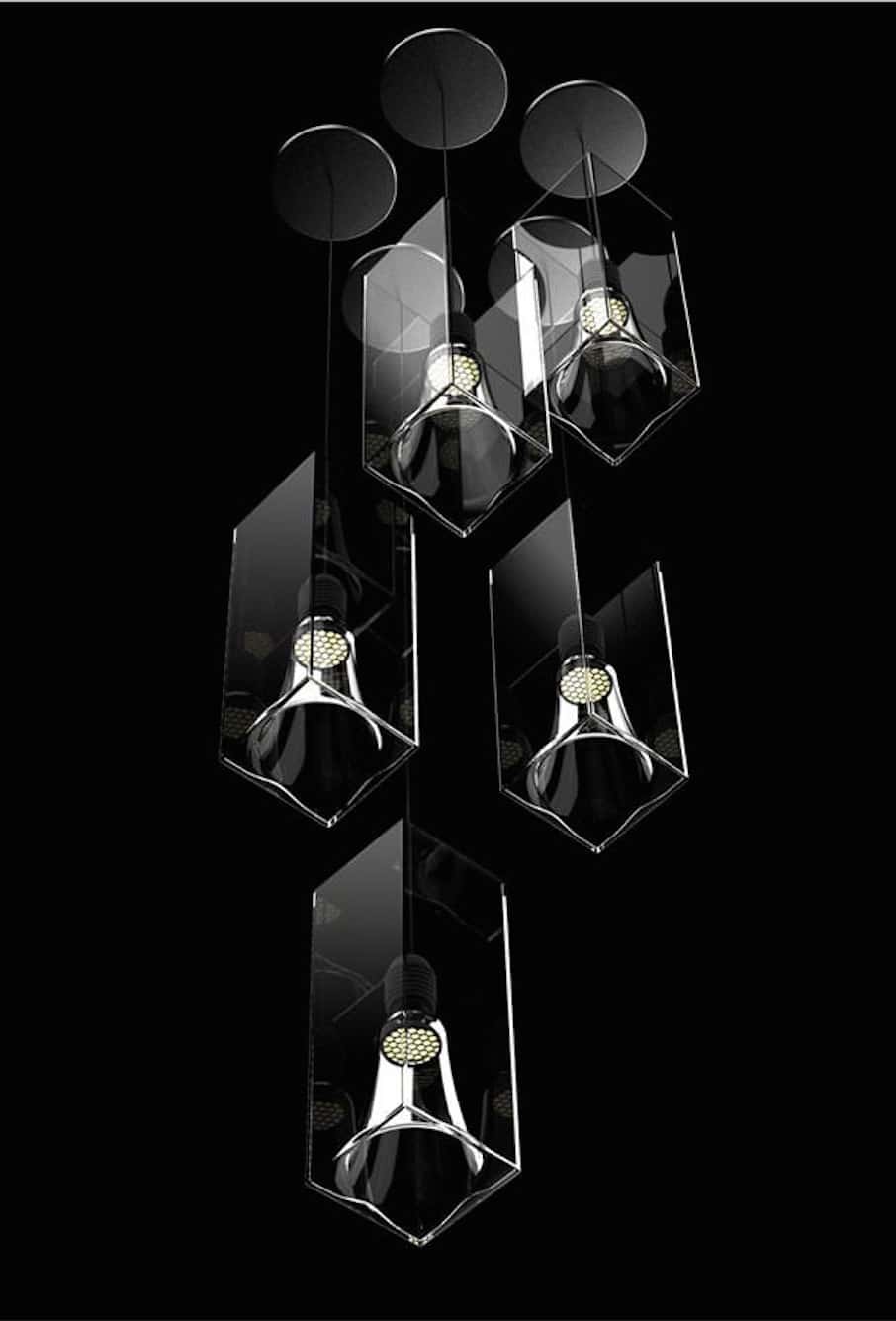
I think every creative man likes all of his work. So do we. And we are trying to do the newest project better for all our previous projects. It happens that people meet your job with different reactions. One of the latest works that have a fantastic result is the “Insight” light project. We are trying to produce it, but it is a hard process.

The other high evaluated project is the “Swirl” lamp.

In which project are you working right now?

We have just finished our “Bionic” armchair project. Now it is on show at the Postoolat exhibition, and I hoped you would be able to see it soon as well). As I said, it is our latest work, and I hope it will be received well.

Which is your next big project?

We do not divide projects on big and small. And we got the same approach to paper pin or furniture set.


INQ CONCEPT FOR DESIGNERS

INQ CONCEPT FOR DESIGNERS

Concept for Designers

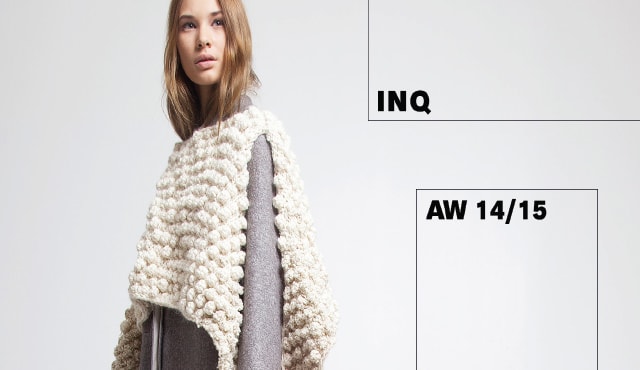
INQ is a Hungarian brand that supports and helps designers, give the first steps inside the Fashion World. They invite designers to make capsule collections for INQ and support their existing projects to be realized under the brand INQ.

I particularly find this concept interesting; because getting access to the Fashion industry is not easy for a new designer, and thanks to the support of INQ the dreams of any designer can become true.

We make an interview with INQ to understand more how this idea starts, and what defines their style.

How did the INQ concept start?

INQ started at the 2013 Central European Fashion Days where Orsolya Csík, our head designer, won 1st prize in the Newcomer category. This gave impetus to creating INQ as an incubator for designers, managed and financed by wonderLAB concept store. Orsolya is collaborating with a different young and talented designer each season.

How do you define the style of your clothes?

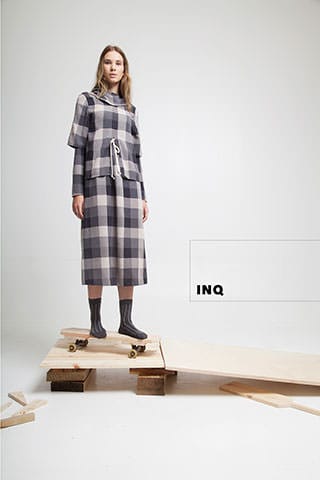
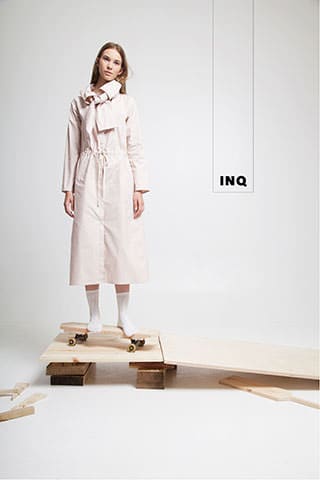
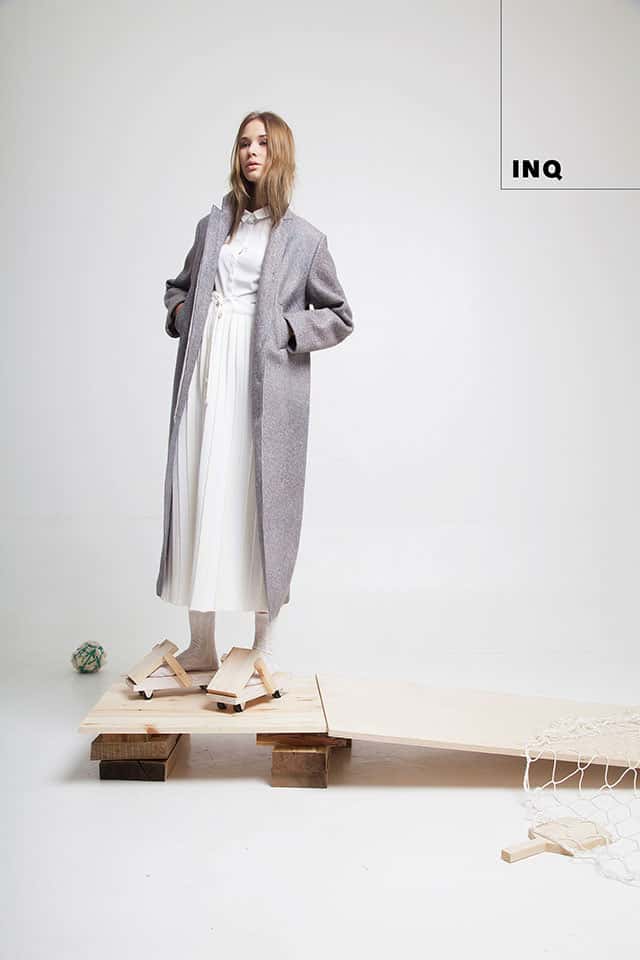
INQ's style is simple without being minimalist; the clothes have a lot of loose, geometric elements, but always with a chic twist. Though the most important feature of a collection that it always retains some Central-Eastern European nostalgia in the cuts.

To whom you design?

Our collections are mainly for trend-minded young women. The average age of our customers is between 25 and 45.

Which materials did you use for your last collection?

We always use natural fabrics; silk, cotton, wool, and cashmere.

Where do you look for inspiration?

We are mainly inspired by our past; our history; Eastern European and uniquely Hungarian outlook infused with modern ideas.


What was the inspiration for your last collection?

Shepherds inspired the AW14/15 collection: think lots of loose coats and shirts. One of the primary sources were male peasant outer garments: overcoats, waistcoats, leather and fur jackets. Contemporary photos show that these pieces rarely fit their wearer as they were passed along from one generation to the next. The beauty of these deformed, clumsy shapes and timeless, robust materials was very inspiring, but their atmosphere was blended with the sporty playfulness of the 1990s.

Who is your favorite designer?

Right now, Jonny Johansson at Acne Studios.

For more information go to INQ Facebook Fanpage

Photo credits: Mate Moro


EASY BAGELS RECIPE WITH SMOKED SALMON

EASY BAGELS RECIPE WITH SMOKED SALMON

Easy Bagels Recipe

When I was a child, my father travels sometimes to the United States; and brought back the easy bagels recipe to made them New York Style. But first a little bit about the History of Bagels:

A lot of people believe, the bagel was created to commemorate the victory of Poland's King Jan III Sobieski over the Ottoman Turks in the Battle of Vienna in 1683. But the linguist Leo Rosten wrote in ''The Joys of Yiddish'' about the first known mention of the word bajgiel in the ''Community Regulation'' of the city of Krakow-Poland in 1610, which stated that the item was given as a gift to women in childbirth.

The word Bagel derives from the Yiddish word ''beygal'' from the German dialect word ''beugel'' meaning ring or bracelet.

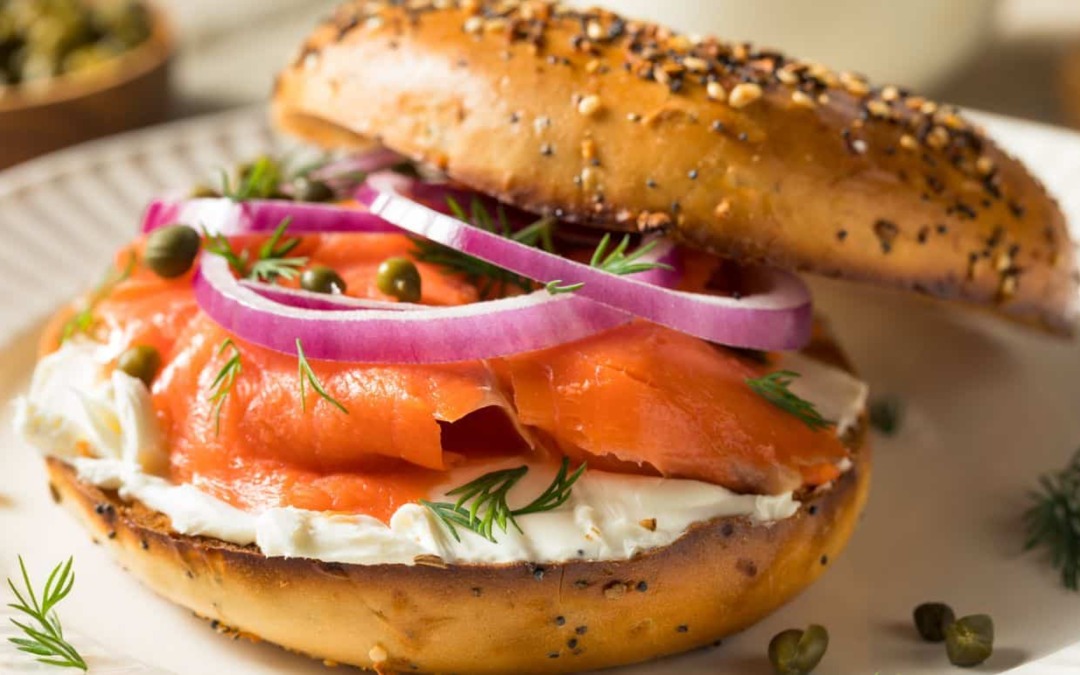
My personal favorite: smoked salmon with cream cheese and here is the bagels recipe I used to make this delightful Homemade bagel:

Easy Bagels Recipe

Quick and Easy Homemade
Prep Time10 minutes
Cook Time25 minutes
Course: Breakfast
Cuisine: American, Jewish
Keyword: bagels, bagels recipe, salmon
Servings: 4 pieces
Calories: 380kcal

Ingredients

  • 2 tsp active dry yeast
  • 1/2 tbsp sugar
  • 1 1/4 cups warm water
  • 600 gr flour
  • 1 1/2 tsp salt

Instructions

  • The first thing you need to do is mix the 1 1/4 cup of warm water with sugar and yeast. Do not stir. Let it rest for five minutes, and then stir the yeast and sugar, until it’s dissolved in the water. Add the flour and salt in a large bowl, add the water and mix it with the hands. Then knead for ten min until the dough feels smooth and elastic. Shape into a ball and put in a clean, lightly oiled bowl. Cover loosely with cling film and leave in a warm place until doubled in size, about 1hr.
  • On a floured table, divided the dough into eight pieces, Shape each piece into a flattish ball, then take a wooden spoon and use the handle to make a hole in the middle of each ball. Slip the spoon into the hole, and then twirl the bagel around the spoon to make a hole about 3cm full, allow them to rest for 10 minutes. Slip the bagels into the boiling water – no more than four at time.
  • Cook for 1-2 min, turning over in the water until the bagels have puffed slightly, and the skin has formed. Remove with a slotted spoon and drain away any excess water. Sprinkle over your choice of topping and place on a baking tray lined with parchment. Bake in the oven for 25 min on 200 degrees until they are browned and crisp…
  • Take your cream cheese, your smoked salmon and voilà!

Nutrition

Serving: 1g | Calories: 380kcal | Carbohydrates: 74g | Protein: 13g | Fat: 1.5g
TRINA MERRY BODY ARTIST MEETS PHOTOGRAPHY

TRINA MERRY BODY ARTIST MEETS PHOTOGRAPHY

Trina Merry Body Artist

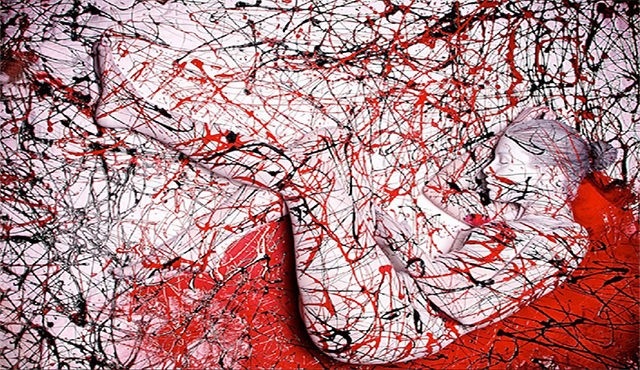
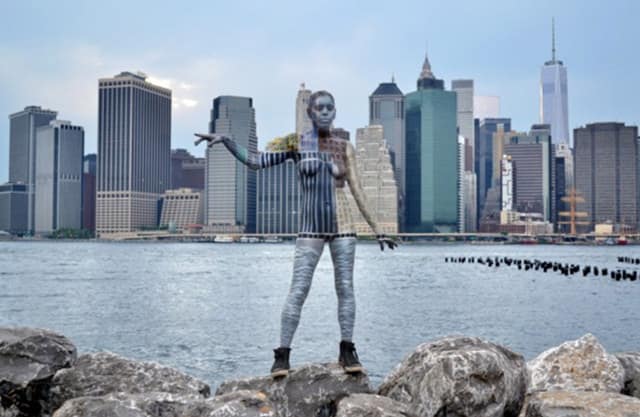
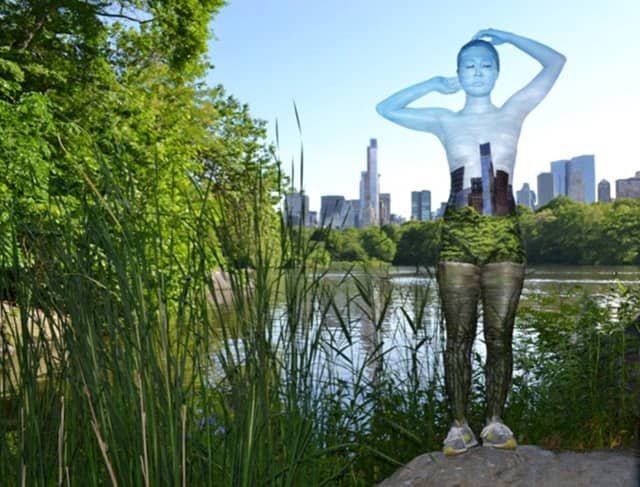
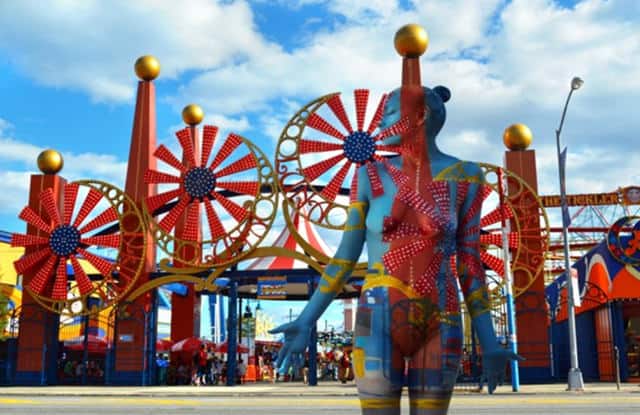
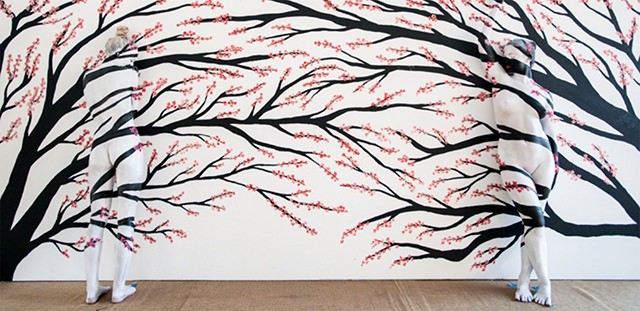
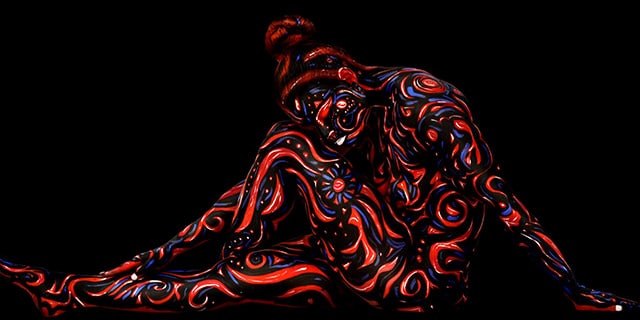
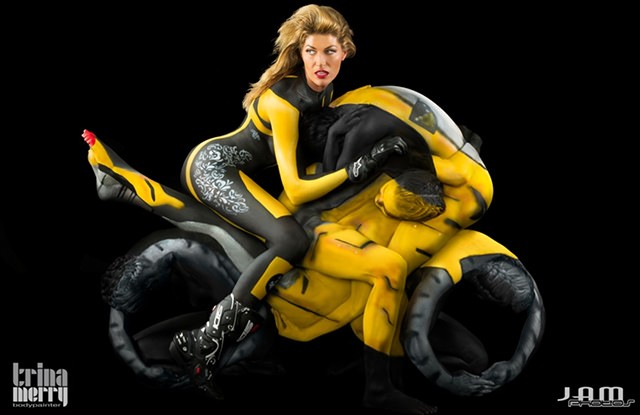
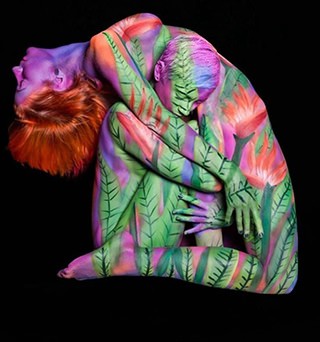
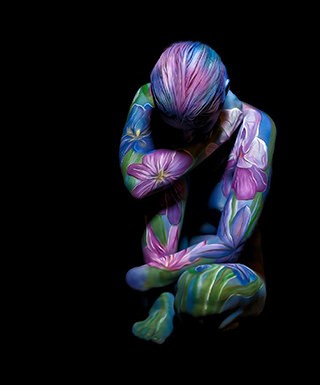
Trina Merry is a magnificent artist; she merges the body paint with photography, creating incredible pictures where she camouflages her models into New York's surroundings. Trina and her models need between 13 to 18 hours to get the final photo. The models are painted in different degrees with hypoallergenic natural body paint.

We make an interview with Trina Merry, to discover more about her creative process...

Tell us a little bit about yourself?

I'm a visual artist from New York, who has a lot of amazing adventures and gets I meet and paint on incredible people.

How long have you been a photographer?

I started documenting my work in April.

How would you describe your style?

Intimate & conceptual

Where did you find your inspiration?

I'm constantly inspired by everything around or inside of me. It's difficult to keep up with my imagination.

How the idea of body painting and photography came together?

Bodypaint is a temporary experience. It's nice to document it to share it with others or remember those feelings and experience again later.

Where was your first picture with body paint?

San Jose, CA

In which project are you working right now?

I just wrapped some commercial projects and were getting back to experimenting this month- I'll be playing with video and human sculptures. I'm also creating a living installation for the San Jose Museum of art that will be performed live on November 18th.

Which is your next big photo?

It's top-secret, but I just did an amazing campaign, and the images should be released in about a month.

What did you always dream to photograph?

I don't dream about photography at all. To me, it is a medium that takes from the environment. I am a giver & creator- I like to make something. Photography is just a way to document the climax of the job. The experience transforms me and lives in my heart- I don't need to possess a job. But I enjoy sharing so now I take pictures. I largely don't let others photograph my work because it's an unnecessary layer of miscommunication of the piece to others.